
An owner can look into a guest cabin and imagine friends enjoying a weekend aboard. Invite those friends to the viewing and the room becomes more tangible. Someone notices where a bag would go. Another tries the seat beside the berth or asks about the bathroom. These small observations connect the yacht to the people who will give its guest spaces a life.
For a purchase built around regular shared stays, Overnight Guests and Family suitability are useful catalogue parameters. They establish the accommodation and general use you want to explore. Bringing the intended company aboard adds a personal layer to that selection.
Invite the people who define the usual trip
A viewing works best with a small, relevant group. The family members or friends who will stay most often can help assess the regular experience. Explain beforehand what you would like them to consider: their comfort over a typical night or weekend and the ordinary things they would want to do aboard.
Their contribution is personal knowledge of the stay they would enjoy. A guest who reads before sleeping may care about the position of a light; a taller person may notice the length and approach to the berth. These details belong to the people involved and give the owner something specific to consider alongside the professional purchase assessments.
Agree with the broker or representative how the visit will work. Time in the cabins, access to the bathrooms and permission to try furniture can all be arranged. A calm visit gives everyone a better opportunity to picture a stay than a quick procession through the interior.
Spend time beside the berth
Sleeping accommodation is experienced from several positions. Guests need to enter the room, put things away, change clothes and get into bed. The space beside the mattress can matter as much as its apparent size in a photograph.
Ask your guests to imagine arriving with the luggage they normally bring for a weekend. Where would the bag stand while they unpack? Is there somewhere appropriate for glasses, a phone and a book? Can they reach their belongings without moving another person's things? A thoughtful arrangement makes the cabin easy to inhabit from the first evening.
If two guests expect to share the room, include both in that part of the viewing, within the representative's guidance. One can experience the space beside the berth while the other considers the storage they would use. Their observations reveal how the room feels with its intended occupants present. The owner can hear those preferences directly and relate them to the particular configuration being considered.
Different berth configurations also deserve a personal response. A double, twins or bunks may suit particular family members differently. Establish how any convertible arrangement works and which pieces belong to it. The final cabin plan can then reflect the people you expect to invite.
Follow the route into the morning
The bathroom arrangement often becomes more meaningful when several guests are aboard. Consider who uses which room, where towels and toiletries go, and how people move between their cabins and the shared spaces. An early riser and someone who sleeps later may appreciate different degrees of separation.
Walk from the proposed guest cabin towards breakfast. Look at the doors, steps and passages along the way. Parents can consider how this route works with their children; older relatives can assess it according to their own comfort. Family suitability is a useful search direction, while these individual needs give the viewing its precision.
Privacy includes sound and circulation as well as doors. Ask about what can be experienced during the demonstration and what remains to be assessed on a trial or later technical inspection. The personal viewing contributes to a broader purchase process, with each part answering its own questions.
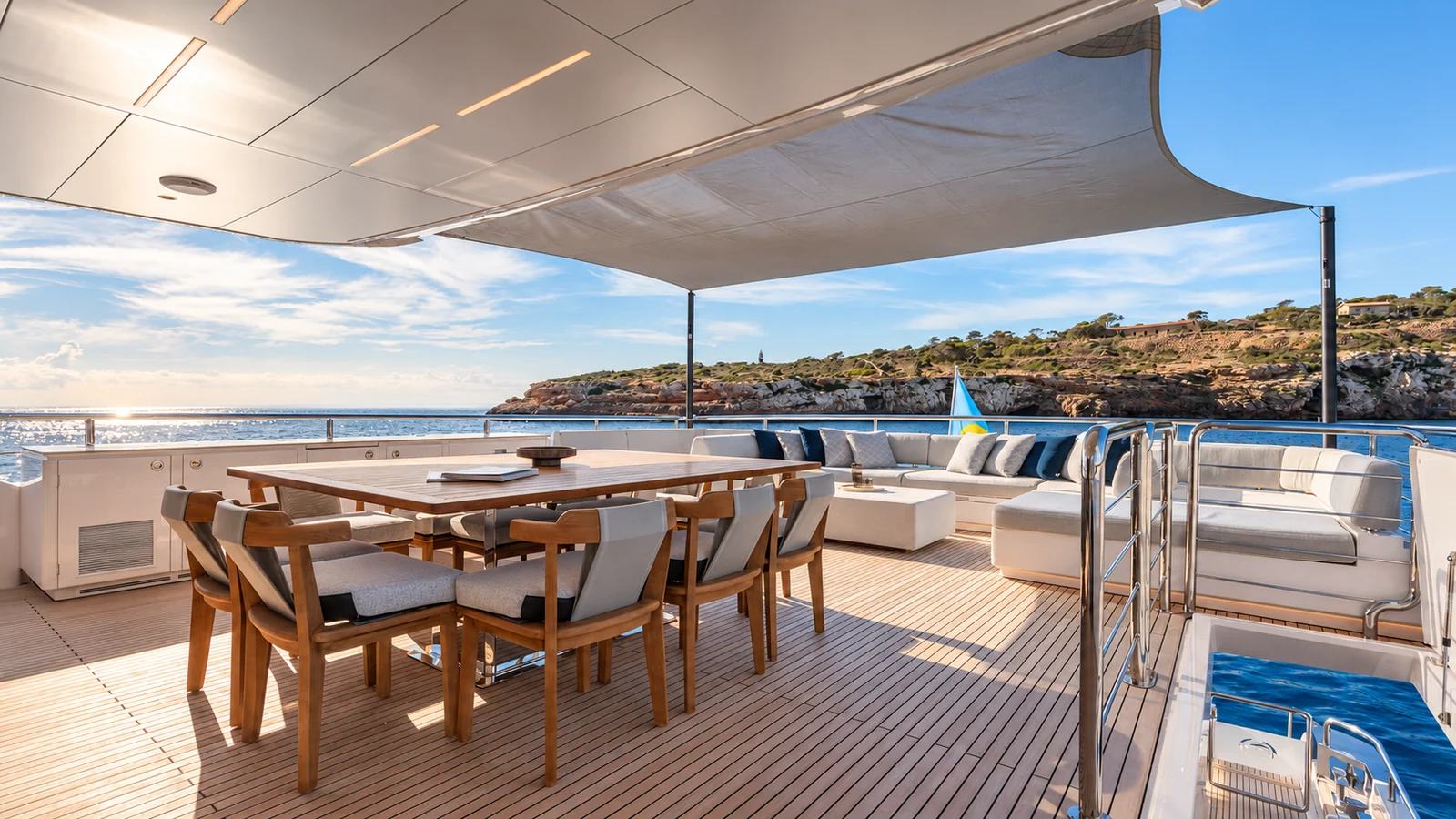
Use catalogue examples to widen the comparison
Catalogue examples: the Sunreef 60, listed at 18.4 metres, has an overnight capacity of eight in its catalogue entry. The Doggersbank 60′ Heritage, listed at 18.5 metres, shows six overnight places. Both are marked for family use. These examples illustrate why similar lengths can lead to different accommodation conversations.
Across such yachts, the number of overnight places begins the comparison. The actual cabin plan shows how those places are distributed and which bathrooms serve them. Bring the regular company back into that plan so you can see which arrangement would be most enjoyable for your stays.
Turn observations into a clear purchase preference
After the visit, ask each person what made the room comfortable and what they would want to understand better. Concrete observations are easiest to use: an accessible berth, convenient hanging space or a bathroom close to the cabin. Connect each preference with the experience it would contribute to their stay, including the interior atmosphere they would enjoy returning to.
The owner remains responsible for the decision, with technical specialists addressing the yacht's condition and operation. The guests' contribution helps make the personal brief more accurate. Their experience gives accommodation details a human scale.
A yacht chosen this way already has a future company in mind. You can picture where people will settle, how a morning will unfold and why they will look forward to being invited again. That is a rewarding foundation for the shared weekends the purchase is meant to create.