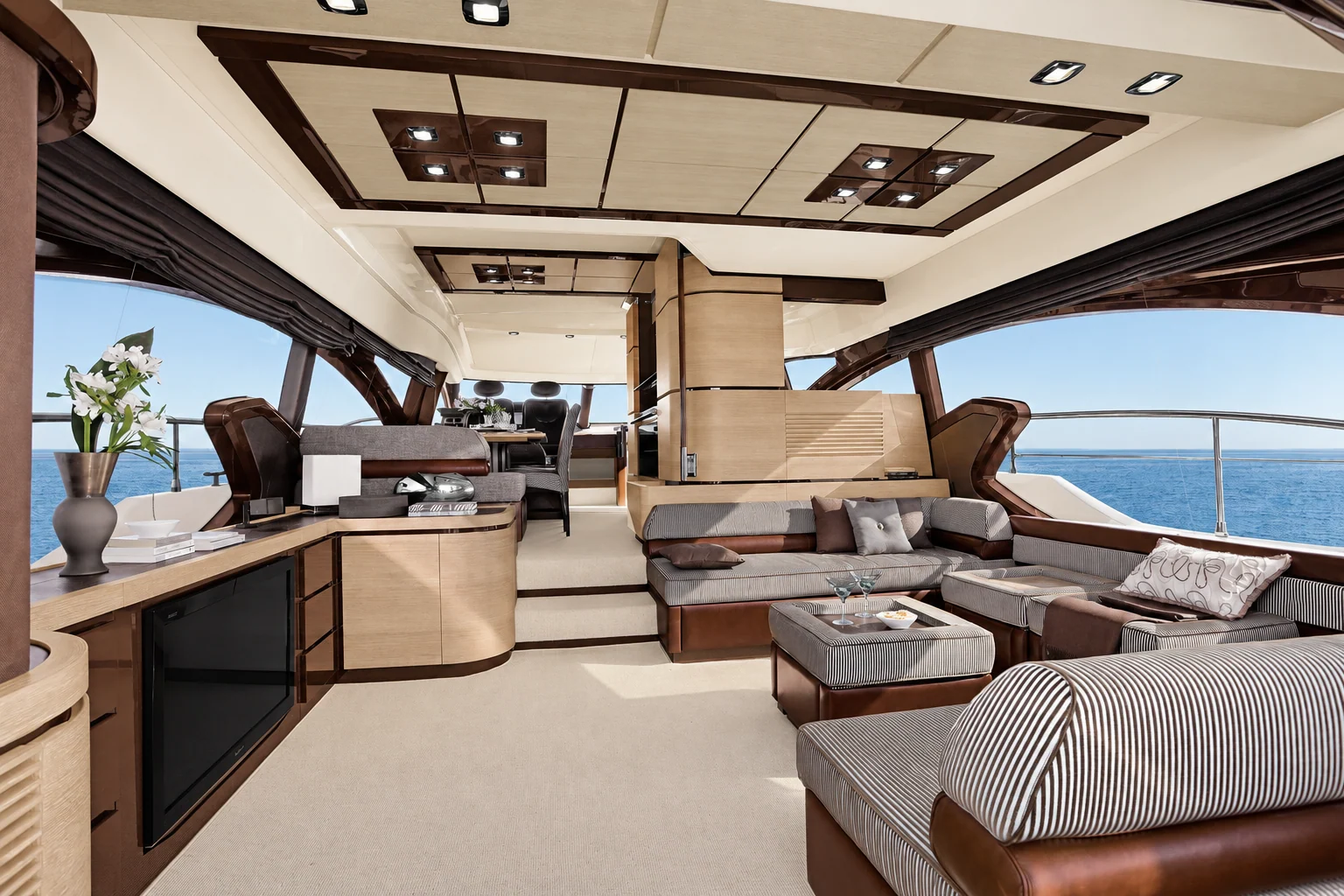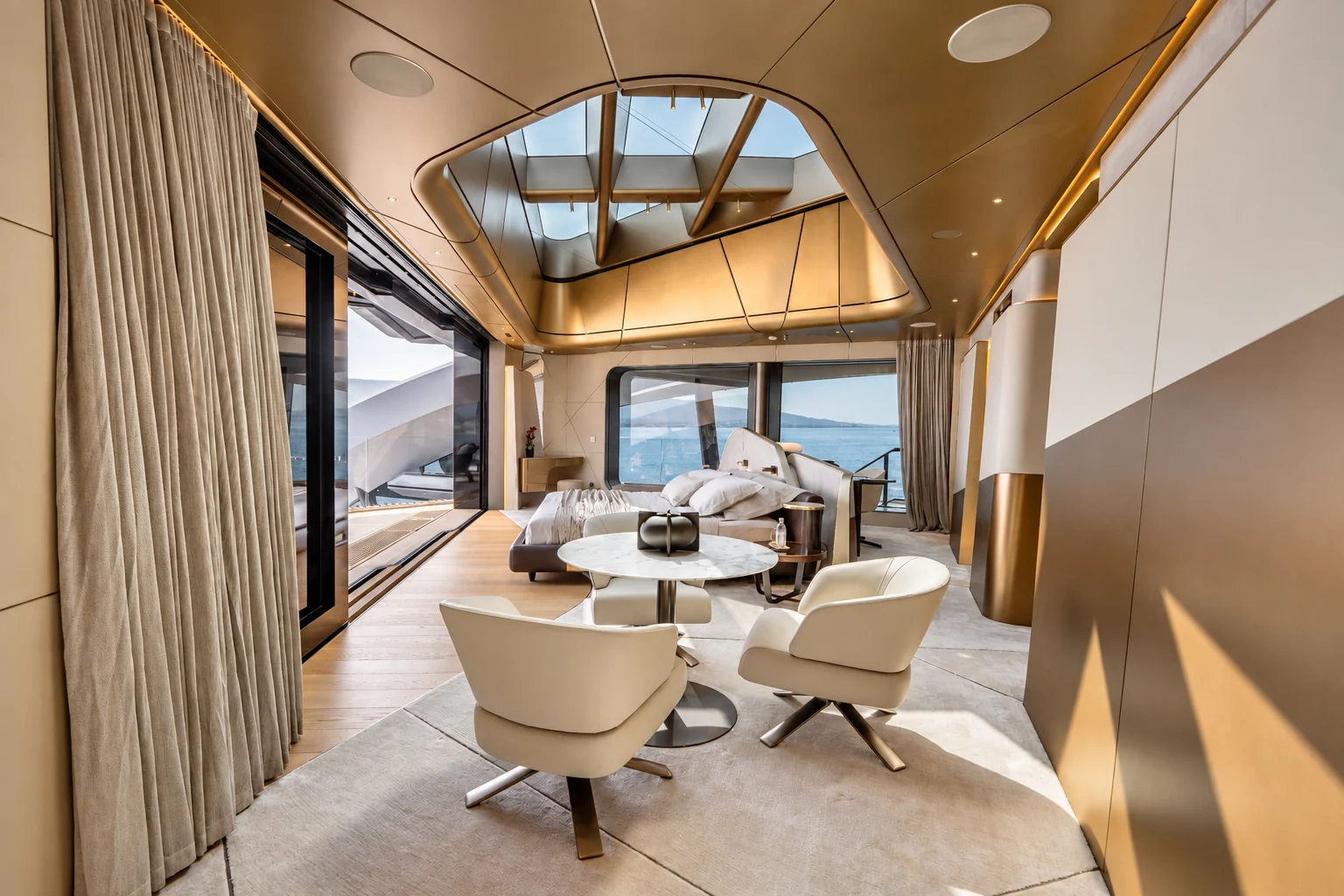
A yacht show can make a purchase feel suddenly tangible. You step into a room that suits you, sit at a table where you can picture your family and discover a detail you want to have aboard your own boat. The attraction now has a physical setting.
As the conversation moves towards an offer, keep those particular details in view. The useful next step is to understand how the yacht you experienced relates to the boat or project being proposed for purchase.
The model name identifies the design, while the catalogue starting price gives an initial commercial reference. The actual offer needs a clearly identified yacht and specification, with its own price basis and terms explained by the responsible parties.
Preserve what you liked about the visit
After the viewing, make a short record of the features that mattered to you. Describe the experience as well as the object: the way a seat connected with the view, the room around a table or the particular cabin arrangement that felt right.
Photographs taken with the relevant permission can help, together with the plan shown during the visit. Identify which layout and equipment the display yacht had. The purpose is to give the purchase team a clear reference for what attracted you.
This is especially useful where the same model offers several interpretations of a room. A furniture option, alternative cabin arrangement or particular equipment package can have a strong influence on the experience you remember.
The record keeps that personal preference present in later discussions. Everyone can see what you want the proposal to address, rather than relying on a general statement that you liked the yacht at the show.
Include the smaller details that made the space feel right. The relationship between a light fitting and a reading seat, for example, may matter more to you than a broad description of the interior style. Recording that connection gives the design team something specific to explain in the offer and helps preserve the feeling behind your choice.
Establish the identity of the proposal
Ask the responsible team to explain exactly what is being offered. It may be the boat you visited or another identified yacht or project within the model range. The distinction should be clear in the commercial information and transaction documents prepared by the appropriate advisers.
The model-name field in the LYRA catalogue helps organise the search. It does not describe every equipment decision or identify a particular vessel by itself. The offer should connect the model with the actual boat and configuration under discussion.
Bring your viewing record into that explanation. Ask how the room arrangement and features you valued appear in the proposal. If an item differs, the team can explain the alternative and its effect on the experience you want.
This gives the comparison a concrete shape. You can understand which parts of the show visit carry into the proposed purchase and which are separate choices still being developed.
Read the price with the specification beside it
A catalogue starting price supplies an opening commercial reference. The figure in an actual offer should be understood through the items, services and terms it covers. The responsible seller and your advisers should explain the applicable price basis and any exclusions or additional charges.
Keep the technical specification beside the quotation. The features that made the show yacht appealing should have an identifiable status in the proposal: supplied, optional or outside its current scope. The commercial effect of each agreed choice should be clear through the written offer.
Where several alternatives are being considered, keep their versions distinct. An updated plan paired with an older quotation can leave the relationship between price and equipment uncertain. The team assembling the proposal should make the current combination easy to recognise.
Your objective is to understand the yacht being purchased and the commitment attached to it. The relevant legal, financial and technical advisers can assess the documents within their respective roles.

Return to the experience before final agreement
Once the proposal is developed, review it through the moments you enjoyed during the visit. Does the layout still provide the seating relationship you liked? Is the cabin arrangement the one you wanted? The team should explain the supporting drawings and specification for those points.
If another viewing or suitable demonstration would help resolve an important question, discuss an appropriate arrangement with the responsible people. The aim is to connect the paper proposal with a boat you can understand as your future place at sea.
Keep the agreed record with the project information as the purchase progresses. It can help preserve the owner's intentions when details are finalised and the yacht is prepared for delivery.
The show has introduced something you are excited to own. A clear link between that experience and the actual offer allows the enthusiasm to develop into a well-defined purchase. You know which yacht is being proposed, how she is equipped and how the details you loved will become part of life aboard.