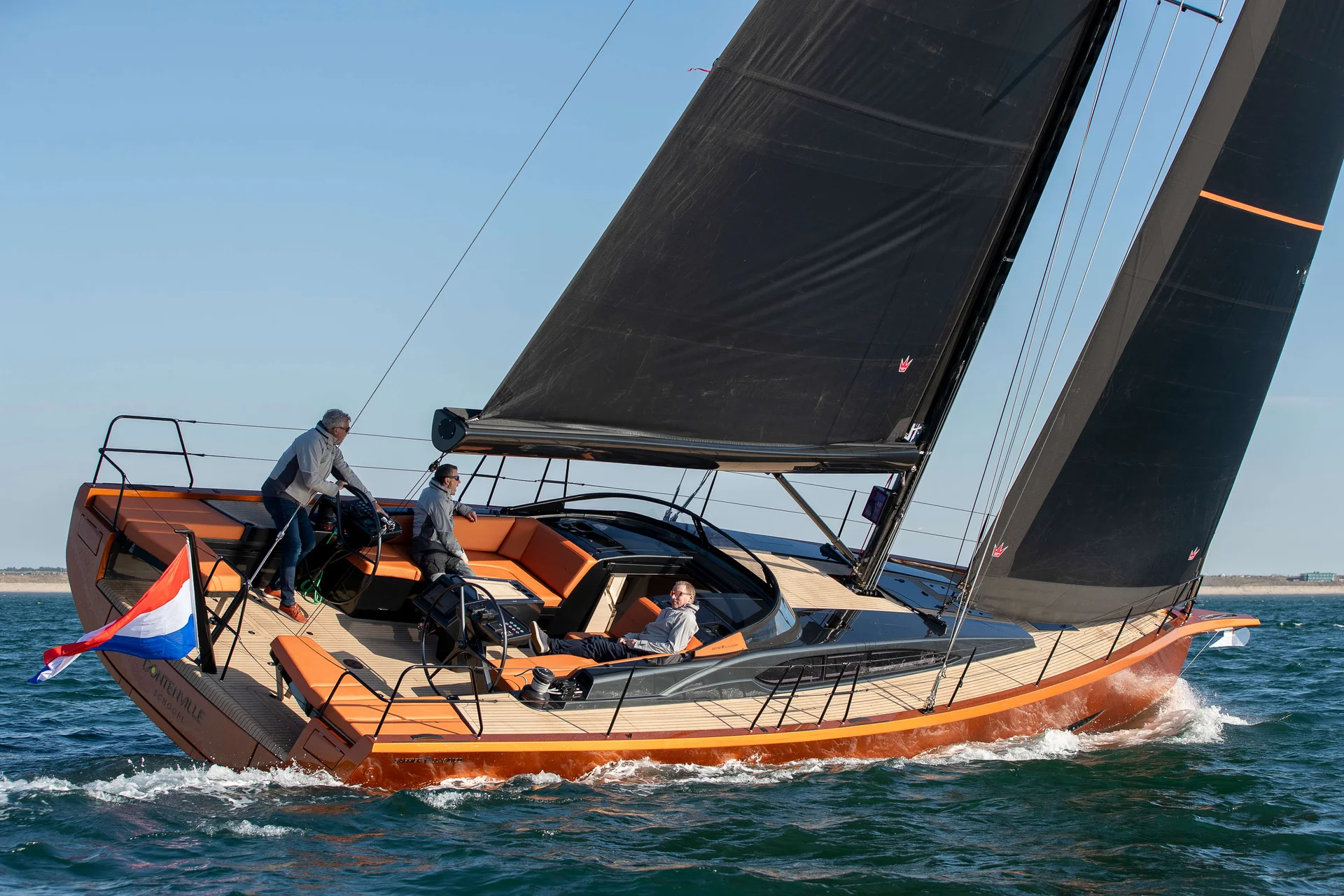
The Single-Handed Operation marker can quickly bring a search closer to an owner's ambition to be involved at the helm. It identifies a useful group of models to explore. As the purchase develops, that model-level selection becomes a more detailed conversation about the particular yacht, version and equipment being supplied.
This is a rewarding transition in the buying process. The owner begins to see how the yacht will fit their own experience and regular use. A clear specification turns the attraction of a catalogue entry into a concrete arrangement for assessment and familiarisation.
Follow the model into its versions
A model can be offered with alternative layouts, helm arrangements or equipment packages. Those choices may affect how the owner moves around the yacht and uses its controls. Identify the exact version in the proposal so that the viewing, drawings and quotation refer to the same arrangement.
The LYRA catalogue allows model selection and Single-Handed Operation to focus the search. Once a candidate is chosen, its individual specification gives the suitability discussion more precision. The marker has done useful work by identifying the direction; the proposed version supplies the detail.
Catalogue example: the Saffier SL 46, listed at 14.9 metres and marked for single-handed operation, describes MED and NORTH configurations with different cockpit arrangements. This illustrates why a model name alone may leave important physical choices open.
For yachts with version choices, look at the spaces you will use during the intended operation. Shelter, seating and access can differ in ways that matter personally. The best comparison keeps the owner's usual company and operating plan consistent while assessing those differences.
Give each relevant system a confirmed place
Ask the representative and appropriate professionals to identify the equipment supporting the intended owner-operated use. Depending on the yacht, the discussion may include helm controls, sail-handling systems, manoeuvring equipment and the arrangement of working positions. The list should come from the actual vessel and proposed use.
For each relevant item, establish whether it is included in the offer, optional or subject to a separate decision. The exact system and installation matter, especially where a demonstration yacht carries equipment different from the one being ordered.
A useful comparison identifies the demonstrated item, the corresponding item in the order and the document that describes each. One yacht may have an additional working station or a control placed in a different location. If you valued that feature during the viewing, its inclusion should be visible in the offer so the final assessment addresses the same arrangement.
The purpose is a clear purchase record. You should be able to connect the feature seen during a viewing with the item described in the specification. Where the final arrangement differs, the representative can explain the difference and arrange an appropriate assessment.
This also helps the instructor prepare familiarisation. They can work from the controls and systems the owner will actually receive, with the relevant documentation available. Learning then develops around a known installation.
Keep the physical arrangement in the conversation
Equipment and layout belong together. The position of a control, a helm exit or a working area can influence how convenient the yacht feels to its owner. Walk the relevant routes during the viewing and discuss them with the person assessing the operating plan.
Personal fit deserves time. Seat adjustment, reach and the view from the normal position can make the same configuration feel different to different people. The owner can contribute direct observations while the professional addresses the vessel's handling and operating requirements.
Consider the regular helper as well, where someone will join you. Their position and role should be understandable within the proposed arrangement. Single-handed suitability can support a small-crew search, while the final plan follows the real people, yacht and circumstances.
Let the final offer describe one coherent yacht
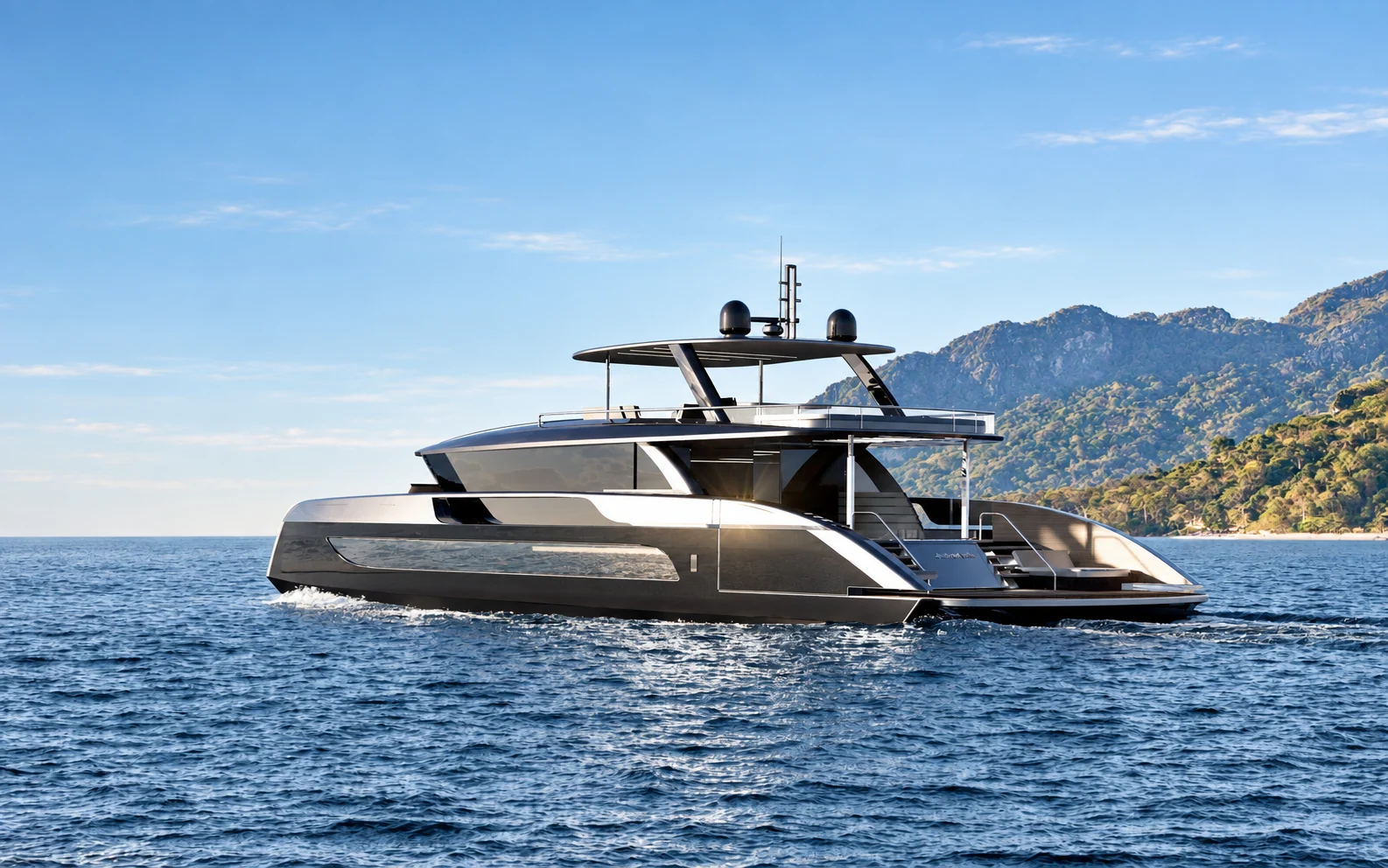
Before the order is fixed, bring the selected version, drawings and equipment schedule together. They should describe the same yacht, with the relevant options and any agreed changes clearly identified. This gives both owner and supplier a shared reference through the purchase.
If the specification changes during the process, assess the change against the intended use. A replacement system or altered layout may deserve a fresh explanation or demonstration. Keeping that link visible preserves the purpose behind the original selection.
At delivery, the equipment schedule can be checked against the supplied configuration through the agreed acceptance process. The record should identify any differences and how they will be addressed. This gives the familiarisation provider a reliable starting point and the owner a clear account of what has been delivered. The suitability marker remains useful for selection, with actual readiness assessed for the vessel, operator and intended circumstances.
The handover can then include familiarisation appropriate to the confirmed configuration and the owner's experience. Agree its scope, provider and documentation as part of preparing for ownership.
A useful catalogue marker opens the right door. Following it through to a clear, assessed specification gives the owner something more personal: a yacht selected and prepared around the way they want to take part in life aboard.