Two nights are enough for a coastal outing to feel like a small journey. Bags stay in the cabin, breakfast happens somewhere different and the next town arrives from the water. An evening ashore can be followed by a quiet return to your own yacht, ready for the morning's plans.
Overnight accommodation and the Travel marker connect the staying company with the intended journey in the LYRA catalogue. The actual rooms are assessed for the people aboard, while the coastal programme brings shore visits and the relevant support into the same short trip.
Give each night an enjoyable setting
Begin with the kind of evenings your company would like. A harbour within walking distance of a restaurant creates one atmosphere; a quieter stop with dinner aboard creates another. Both can belong to the same short journey when the captain plans suitable destinations and operating arrangements.
That choice influences what matters aboard. If evenings often involve going ashore, convenient boarding and a comfortable place to change become prominent. If one evening is spent on the yacht, the dining and galley arrangement receives more use. Describe the intended balance clearly so candidates can be assessed against it.
Leave the actual destinations flexible enough for sensible passage planning. The pleasure comes from having your own comfortable base along the coast. A captain who understands which experiences matter can propose appropriate stops and alternatives while preserving the character of the trip.
Two nights bring small domestic details into view
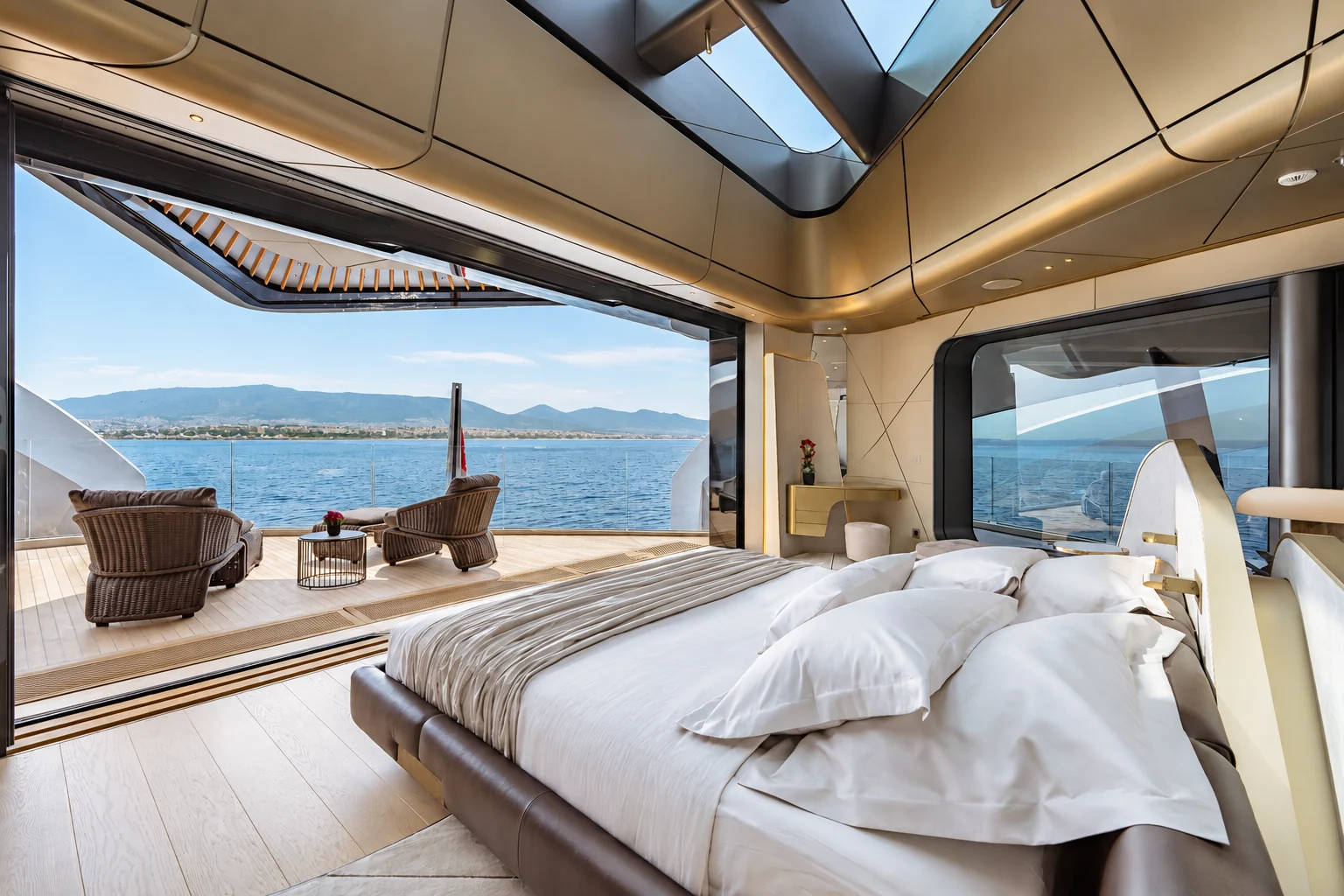
Accommodation for this journey needs to work through repeated use. People unpack, sleep, shower and find their belongings again in the morning. A cabin with suitable storage can make a compact stay feel settled from the start.
Count overnight guests according to the company you expect most often. Then look at the arrangement of the places themselves: who shares a cabin, which bathrooms they use and how they reach the saloon. The same total number of berths can be distributed in ways that suit different groups.
A viewing can follow the first morning aboard. One person gets up for coffee while others sleep. Towels and clothing need somewhere to go. Breakfast appears, bags remain in their cabins and the yacht is prepared for the next leg. Thinking through these ordinary actions reveals the accommodation's contribution more clearly than the sleeping count alone.
The second evening adds the pleasure of returning to a place already inhabited. Clothes are unpacked, the company knows where things belong and the day's purchases or personal items need suitable places when everyone comes back from shore. Imagine that return during the viewing. It gives the cabins and shared rooms a more lived-in scale, helping you assess whether the arrangement remains inviting once the first day's belongings are aboard.
A coastal sailing example
Catalogue example: the Najad N570 CC, listed at 17.5 metres, shows six overnight places and is marked for family use and coastal travel. Its description includes a deck saloon and open deck areas. It illustrates one type of yacht in which a small company could explore the relationship between time under way and time settled aboard.
The relevant candidates can include different propulsion and layout choices. What matters for this particular brief is how the journey feels to your company. Some owners enjoy making the passage itself a substantial part of the day; others want to reach the next stop with more time left to explore. Discuss that preference before comparing the spaces you will use in port.

Keep room in the day for the destination
A two-night itinerary is appealing partly because the shore can become familiar at walking pace. There may be time for a market, a long lunch or a morning coffee in town before returning aboard. The yacht's arrival and departure arrangements should support that unhurried experience.
Bring likely harbour types into the selection conversation. The main yacht's dimensions and access arrangement affect how a berth will work, while actual availability and suitability require confirmation for the trip. Knowing how people expect to step ashore helps the captain and adviser understand the intended use.
You can also decide which meals would be most enjoyable aboard. A simple breakfast routine may need convenient refrigeration, a usable preparation area and seating for the regular company. Keeping that routine comfortable gives the mornings their own pleasure, even when most lunches and dinners happen ashore.
Come home with the wish to repeat it
The final return is part of the trip's rhythm. Consider where bags will be collected, how guests leave the yacht and which agreed preparation follows before the next outing. A clear return arrangement makes a short journey easier to fit into ordinary life.
When comparing yachts, picture both nights and the morning between them. You should be able to see where everyone sleeps, how the day begins and how the shore becomes part of the experience. Those connections give the purchase brief a recognisable purpose.
A yacht selected for this kind of use can make the coast feel full of nearby possibilities. The journey is long enough to create a change of scene, with the familiarity of your own place aboard running through it. Two nights then become a pattern you can look forward to repeating.