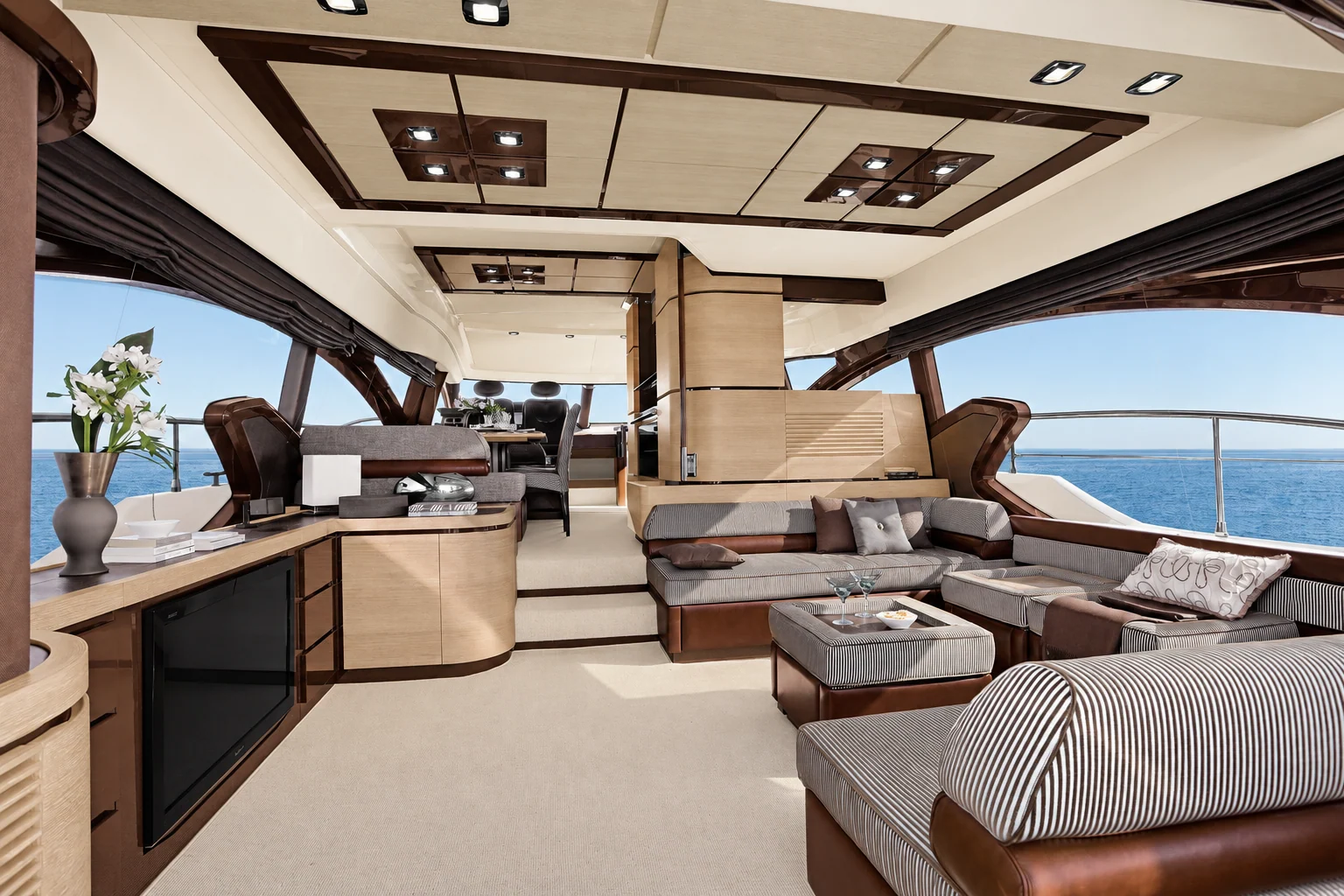
A carefully presented yacht gives the buyer a clear first impression. An arrangement closer to ordinary use can add another kind of understanding. A bag has a place, the table carries the items used at lunch and storage holds the equipment intended to remain aboard. The layout begins to describe a day rather than a photograph.
Liveaboard suitability and overnight accommodation help narrow the search. A viewing is where those broad criteria acquire physical form: the places people sleep, the storage they use and the routes connecting their rooms.
Ask the room to hold a recognisable day
Begin with the company and routine you intend. The yacht may be used mainly for weekends or for longer stays, with different demands on clothing, food and personal belongings. Describe that use to the representative so a suitable demonstration can be arranged with the owner's or seller's consent.
The purpose is to understand the layout through real objects. A table prepared for the intended meal shows available surface. A cabin with the proposed berth arrangement reveals the passage around it. Storage allocated to equipment explains what remains for personal items.
Have the representative distinguish items used to illustrate the viewing from those included in the offer. A bag or table setting can help show how a room works without forming part of the purchase. The useful record connects the occupied arrangement with the actual furniture, equipment and storage supplied. That way, the impression of daily life remains attached to the yacht and configuration being considered. If an illustrated item is optional, identify the option and the version of the proposal that includes it.
The buyer should respect the existing owner's privacy and the limits of the visit. The representative can identify what may be opened, demonstrated or discussed. An ordinary-use assessment can be prepared with appropriate illustrative items where access to personal belongings would be unsuitable.
See what the storage is already doing
A cupboard can serve a particular function within the yacht even when that purpose is not obvious at first glance. Equipment, linen and supplies may have defined places. Ask the demonstrator to explain the allocation relevant to the offered configuration.
Then consider your own belongings. The room should have appropriate space for the people in the proposed accommodation plan, with their bags and clothing accounted for. This gives the overnight number a practical interpretation through the actual cabin.
In the LYRA catalogue, the sleeping capacity helps organise the initial search. During a viewing, the beds, bathrooms and occupied storage show how that company would stay. The full arrangement can reveal useful differences between yachts with a similar headline capacity.
For a longer stay, ordinary items remain in use over many days. Books, devices and household equipment need places that let the rooms continue to feel comfortable. The owner can identify which arrangements would support that settled atmosphere.
Follow the passages with furniture in place
Movement changes when the yacht is furnished for use. Chairs may be occupied, a table extended or a door open. Walk the relevant routes under the representative's guidance and consider the people who will use them during an ordinary visit.
The relationship between areas becomes particularly clear. Someone bringing food to the table, a guest returning to a cabin and another person reaching an outside seat may share parts of the same route. The actual layout shows how those movements coexist.
Where furniture is convertible, ask to understand the complete sequence. The normal arrangement, the changed state and the storage for any moved pieces each belong to the feature. The owner can then assess how frequently they would enjoy using it.
These observations are personal purchase evidence. The captain and specialists still address the yacht's technical condition, operation and suitability through the appropriate review. An occupied layout adds understanding of everyday comfort alongside that work.

Notice how rooms return to their main purpose
A yacht often moves between activities during the day. The cockpit becomes a dining area, the saloon offers a quiet seat and cabins welcome people after a swim or evening ashore. The storage and preparation arrangements should support those transitions.
Ask the relevant team to explain the household routine where it forms part of the ownership proposal. Who prepares the spaces, what remains aboard and how the yacht is left after a visit are practical questions tied to the actual service arrangement.
The owner can compare candidates through the same familiar sequence. Imagine arriving, spending the day, staying overnight and preparing to leave. The rooms should make sense throughout, with ordinary objects given appropriate homes.
Let the yacht feel inhabited before choosing
After the viewing, record concrete observations: where a bag could remain, how the table felt when set and which route stayed convenient around the furniture. These details explain why one layout may suit your life particularly well.
A yacht viewed this way becomes easier to imagine as your own. Its rooms have uses, its storage has meaning and the people you invite have places to settle. The purchase gains a clearer connection with the everyday pleasures that will make ownership rewarding.