
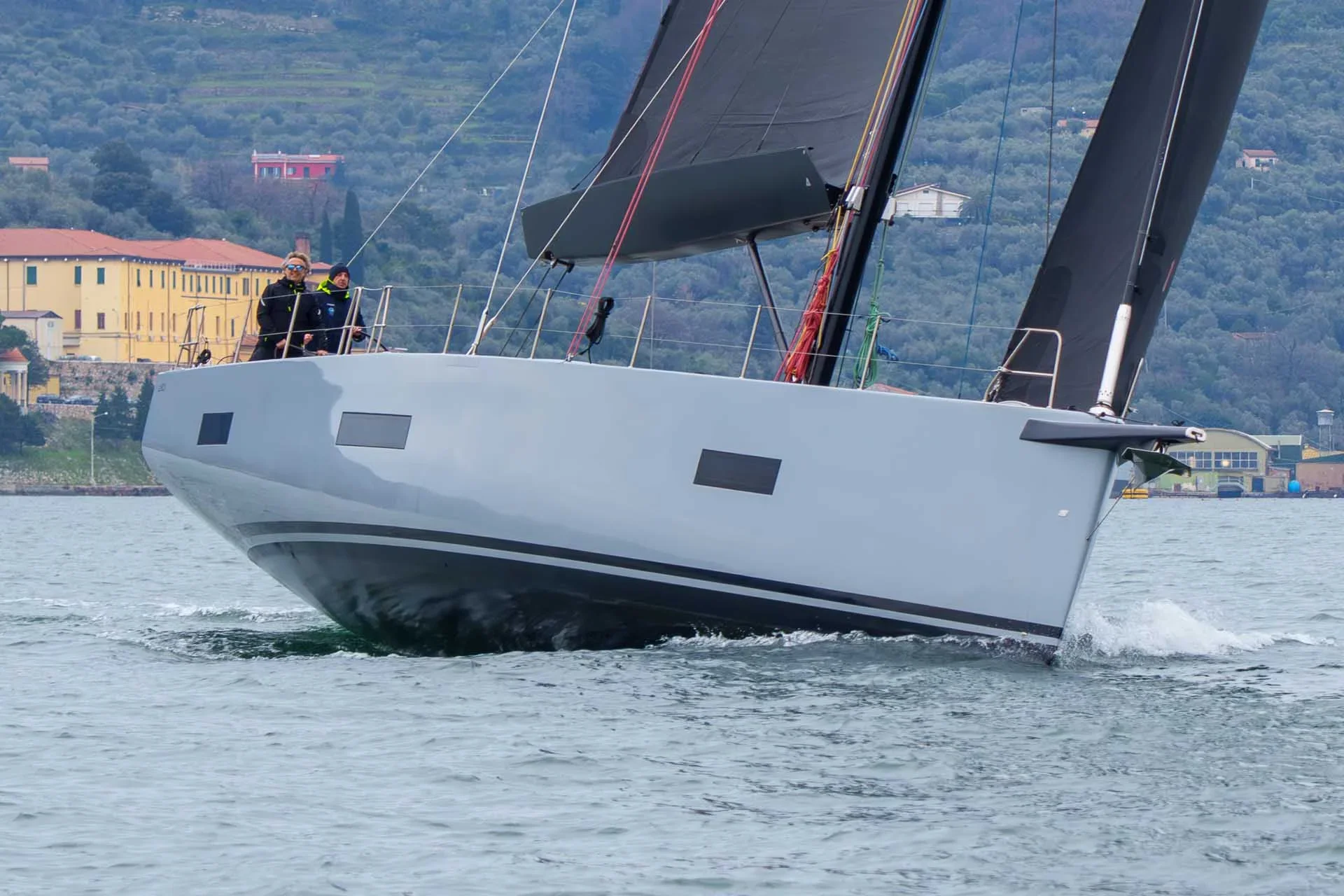
Begin with the life you want from a yacht. Intended visits, geography, people aboard and the owner's desired involvement give the show a purpose. A modest event does not need to become a complete market survey to contribute to that decision.
Take a concept into the visit
Identify the kind of experience you want to examine. It might concern time in an enclosed living space, gathering outside or the relationship between guest and owner areas. A relevant example can help you notice what feels comfortable and which questions matter personally.
Keep the comparison specific. Seeing one boat can provide an impression of that model and configuration. It should not be treated as proof that every yacht within a broad concept has identical dimensions, atmosphere or practical demands. The visit helps refine the next question rather than eliminate individual differences.
Imagine a buyer who wants relaxed short visits with a small group. A boat at the show may reveal an arrangement they enjoy or a compromise they want to avoid. Either observation can improve the brief before the buyer explores other models or opportunities.
Use local conversations to identify further evidence
The event can help find people worth contacting about the region or particular products. Ask questions tied to your intended ownership and understand the role each person represents. A sales presentation, a technical assessment and an independent buyer discussion contribute different things.
If a home-port issue matters, use the conversation to locate the relevant provider or source. A useful introduction is a starting point for a current enquiry. It does not establish berth availability, a professional appointment or every condition of owning in the region.
Allow time to examine the examples that are relevant rather than trying to make every exhibit part of the decision. The owner can enjoy the occasion while preserving attention for the questions that prompted the visit. There is no universal number of boats that must be seen for the day to be useful.
Look at an example without making it the whole answer
A physical boat can help turn an abstract preference into something you can describe. You may notice how a space feels with the intended people in mind, whether an arrangement invites the kind of time you want or which compromise deserves a closer question. Those observations can be useful even if that particular yacht is not the eventual candidate.
Keep the observation tied to what you actually saw. A layout impression can refine the search, while construction, equipment and operating suitability require different evidence. Liking the way a space works during a viewing cannot settle every aspect of the ownership proposal.
Separate the concept from the individual execution
Write the finding in ordinary language. A note about where people would sit or how the group would spend time is more useful than a general statement that a boat felt luxurious. It gives an adviser a question to investigate across other candidates, including those not present at the event.
Give the local conversation a defined subject
If the show puts you in touch with a marina, ask what it can confirm for your yacht and intended dates, and who handles any open berth or support questions.
Leave with fewer unknowns about the brief
The visit does not need to produce a purchase decision. A useful outcome may be a clearer preference, a reason to reject an arrangement or a question that now needs another viewing. Distinguish those findings from facts still requiring confirmation about a particular acquisition opportunity.
This also makes the day easier to review afterwards. Which example changed your understanding, what did it show and what would you investigate next? Preserve that short chain rather than collect an unstructured list of every exhibit.
Continue beyond the exhibitors
Take the observations back to the ownership brief. What did the visit establish, what remains an impression and which other designs might address the same need differently? Continue the search beyond the exhibitors, using identifiable model information to investigate the question the show helped you articulate.
Where a particular candidate becomes relevant, investigate an appropriate further viewing and the actual acquisition opportunity. A show visit can support the search while technical, contractual and boat-specific checks retain their own scope. Other forms of physical familiarisation may also be worth arranging.
A small event can therefore reveal more than the size of its display suggests. It gives the buyer a way to experience a concept, sharpen a personal preference and find relevant next conversations. The value lies in using what you observed to improve the wider decision, while keeping the models on display distinct from other opportunities that still need their own investigation.
