An owner who expects to use a yacht often does not merely buy a machine that can perform. They buy the confidence that it will be ready when friends arrive, a weather window opens or a holiday begins. If achieving that readiness will require a particular service network, crew arrangement or yard schedule, maintenance should enter the selection brief early.
This is a different question from asking which yacht has the smallest annual euro figure. LYRA's catalogue presents annual ownership indications. Even where a model-page row is labelled “Annual Maintenance Cost”, the market report defines the underlying modelled ownership budget as broader than maintenance alone. Service cost must be identified within a yacht-specific plan. Its priority comes from the owner's intended rhythm of use and the ease of maintaining the particular systems aboard.
Start with availability, not arithmetic
Imagine a family that wants regular weekends afloat throughout a short summer season. A missed departure has more significance for them than for an owner planning one long cruise with generous time between trips. Their shortlist should ask how the yacht will be prepared, who will notice defects between visits, and whether routine service can be completed without consuming the best days of the season.
The home berth is often the second decisive parameter. A yacht with excellent support close to its berth may be simpler to keep ready than a similar yacht whose specialist service requires more logistics. This is a practical relationship, not a claim that one brand or country is inherently easier to maintain. It depends on the exact machinery, local providers, parts and the owner's plan for the yacht.
Other briefs create different priorities. An owner cruising for months can schedule care along a route and may value the independence of onboard systems and crew. An owner who spends the year abroad but wants the yacht ready on arrival may prefer a management arrangement that handles inspections and preparations. Maintenance matters in both cases; it guides the choice when the way the work gets done would materially change the desired experience.
Make the service pattern visible in the shortlist
For each serious yacht, identify the propulsion package, major onboard systems and the routine service intervals that apply to the exact configuration. Ask what work must happen while the boat is in use, what can happen during a planned yard period and which providers are accessible from the intended berth. The age and documented condition of a particular yacht can change this conversation, so a model-level estimate cannot settle it on its own.
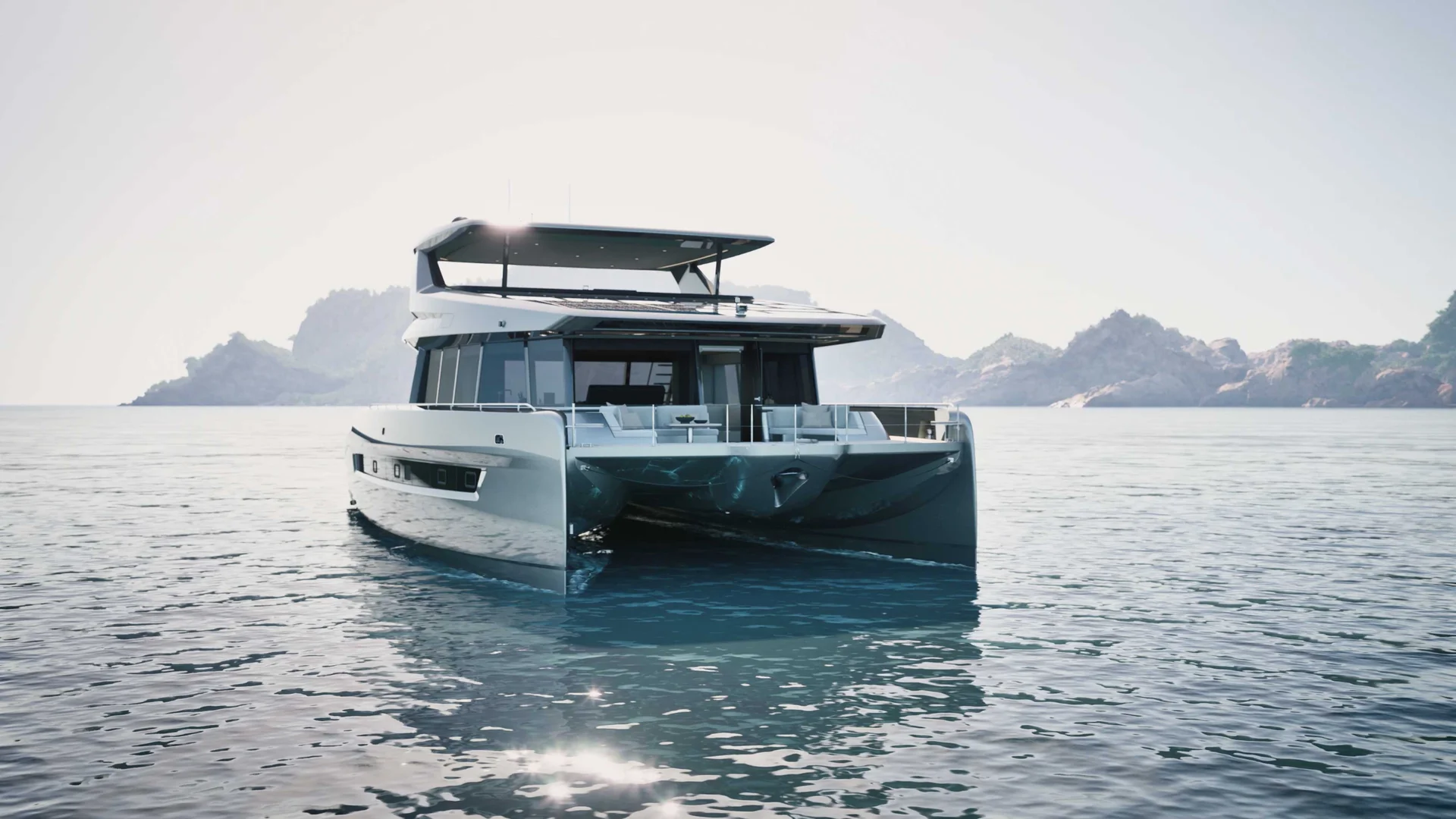
A model such as the SOEL SENSES 62 can serve as a catalogue example of a yacht with a different scale and operating pattern from smaller owner-operated craft. That is an example, not a recommendation or a claim about its actual maintenance bill. The meaningful comparison returns to yachts in the owner's relevant size and use segment, with current service evidence for each.
Technical readiness belongs with the yacht's crew and qualified service providers. LYRA's yacht-management page makes that separation explicit and focuses the agency's role on the ownership experience, travel and post-purchase support. The buyer can decide how involved they want to be, then assess whether each candidate's technical service needs suit the planned crew and contractor arrangement. A well-supported larger yacht may fit one owner beautifully; a yacht that invites direct owner involvement may fit another.
Set the right cost boundary
When maintenance leads the choice, build an estimate from identifiable work and local quotations. Keep it distinct from berth, crew, insurance, fuel and exceptional refit, even while viewing all of them in a complete ownership budget. That separation allows the owner to see whether a difference between candidates is really about maintenance or about a different way of operating them.
The chosen yacht should invite use, not make every departure feel like a project. A clear maintenance plan helps achieve that. It gives the owner confidence in the purchase, room to enjoy the yacht as intended and a practical basis for selecting the people who will keep it ready.