A family flies in for a long weekend. They want to step aboard, settle in and leave when the weather is right. For them, the people who prepare and operate the yacht are part of the pleasure being purchased. Crew requirements should influence the shortlist early, because a yacht that looks perfect in photographs may need a very different daily support arrangement from the one the family wants.
The LYRA catalogue displays Recommended Crew on individual model pages. It is a useful first indicator of operating scale, not a legal staffing requirement. A clearer second question is the service experience the owner wants: how prepared the yacht should be before arrival, what should happen discreetly while guests are aboard and who takes responsibility after they leave.
Decide what arrival should feel like
For this family, the first hour sets the tone. The yacht is clean, provisions are aboard, systems are ready and the day can begin without turning everyone into a working party. That vision suggests real tasks: preparation, navigation, guest care and technical attention. The owner can then decide whether a permanent crew, a seasonal arrangement or a manager with local providers would deliver the standard consistently.
The choice need not follow yacht length mechanically. Size is relevant, but the layout and programme determine how much work occurs at once. A larger yacht with separated service routes can support a particular kind of privacy. A smaller yacht may be easy to operate directly with occasional support. If the family wants to host while someone else handles the passage, that expectation should be named before the search turns to model comparisons.
This is why crew can lead for one owner and remain secondary for another. The family above is buying a prepared welcome and unbroken time together. An owner who relishes skippering short outings may put hands-on control first and bring crew into the discussion only for other occasions. Both may buy excellent yachts; the shortlist differs because the owner role differs.
Make the operating arrangement part of the brief
Ask how the yacht will be staffed in the intended cruising region, where those people will work and rest, and how their movement intersects with family spaces. The working route from galley to deck, the location of crew accommodation and the ability to prepare a tender or dining area can all matter. A yacht can show a reasonable crew figure and still offer an arrangement that feels wrong for this household.
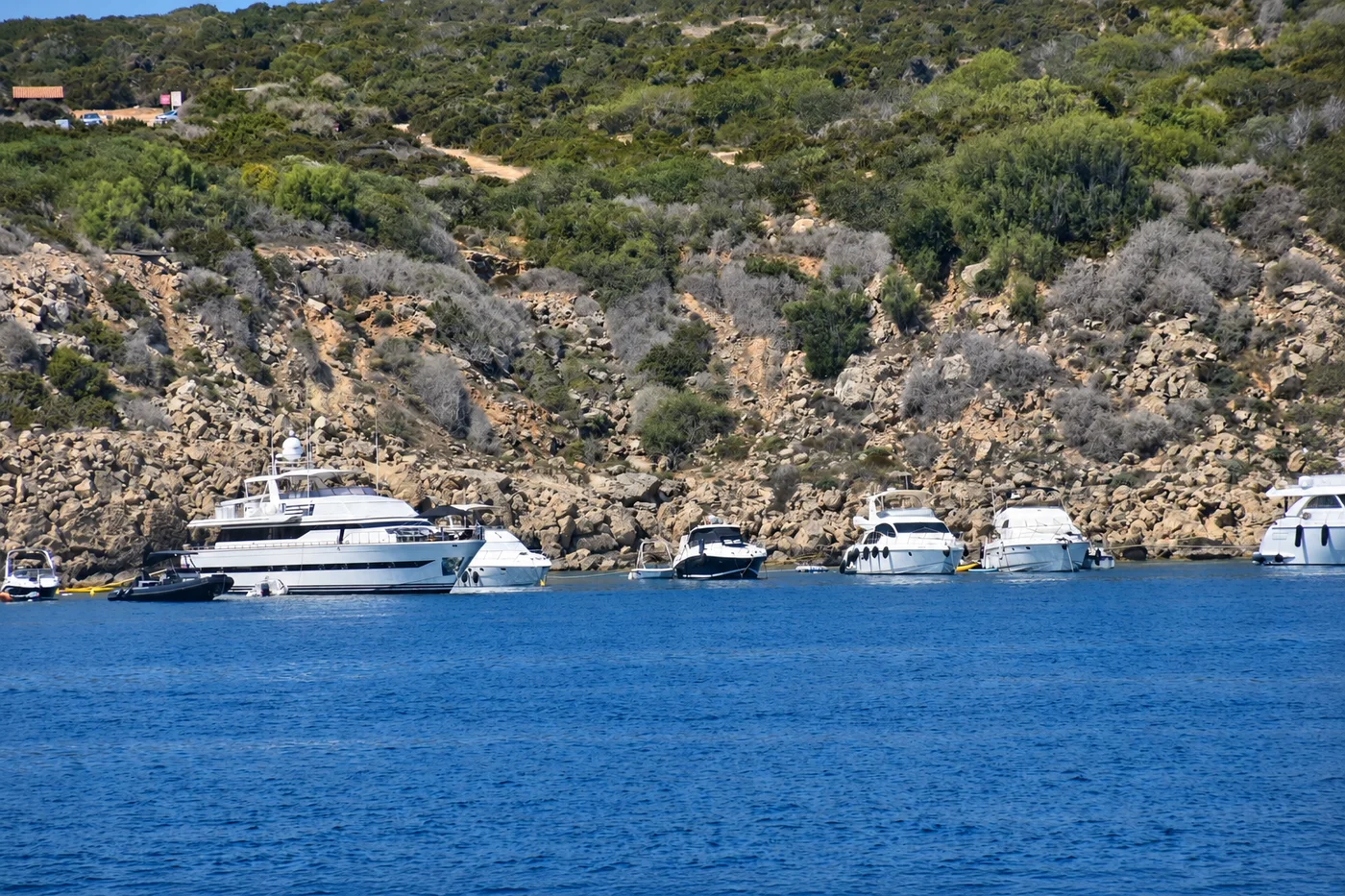
As examples of how the field appears, LYRA lists Cranchi A46 with Recommended Crew 0 and Sunseeker 82 Ocean Enclosed with 2. They represent different scales rather than a recommendation to choose between those exact models. The owner should explore yachts in the relevant segment and ask whether each supports the desired arrival, hosting and departure rhythm.
LYRA's management page makes an important distinction: the yacht's crew handles technical maintenance, while LYRA focuses on experiences and post-purchase support. A captain, crew member or qualified shore-side contractor can organise provisioning and readiness without every helper joining each voyage. Describing who does the technical work and who shapes the owner's experience is more useful than assuming one crew number covers every function.
Check the role before fixing the headcount
For a serious yacht, a captain or experienced manager can assess the exact layout, expected guest programme, operating area, qualifications and applicable requirements. The LYRA number is not a minimum for safe use and should not be converted into one. It is a prompt to test whether the human plan behind the yacht is realistic for the family's season.
Once the role is clear, the costs and accommodation needs can be assessed as part of the ownership model. That is a natural continuation of an exciting purchase, not a reason to narrow ambition. The family is buying time together on the water. Giving crew requirements early attention helps the yacht deliver exactly that when they arrive.