For some owners, the first voyage already has people waiting for it. A family gathering is planned, a summer berth has been arranged, or the yacht is meant to join an established cruising programme. In that situation, timing deserves an early place in the search. It is part of the experience being purchased, not merely an administrative detail to settle after the yacht has been chosen.
The question is not simply which model page displays the shortest range. LYRA's catalogue can show an Estimated Delivery Time in months on an individual yacht page. That indication helps identify models worth discussing. What matters for a date-sensitive owner is whether an actual yacht, production slot or build route can be ready for the intended use with a specification the owner will enjoy.
Begin with the first day aboard
Choose the first occasion that the purchase is meant to serve. Give it a place, an approximate date and a shape: a relaxed weekend from the home berth, a family holiday, or the start of a longer voyage. Then ask when the yacht must be owner-ready for that occasion to feel easy. The answer often precedes the event itself because acceptance, familiarisation and local preparations take time.
This turns a vague preference for “fast delivery” into a meaningful criterion. A purchaser whose first season can start next year may have ample space for build choices. Another purchaser may want a particular summer with children at a particular age. The second buyer has a stronger reason to place verified availability near the front of the brief. Neither brief is more serious; each simply buys a different rhythm of ownership.
The companion issue is how mature the specification is. A yacht that can be available soon may already have its layout and equipment fixed. A project with more design freedom may have a longer route to handover. These are not automatic disadvantages. The owner should decide which choices are central to the experience and which can be enjoyed as already designed.
Search for an available route, not a date label
When timing is critical, begin the commercial conversation with exact availability. Is there a completed yacht, a hull in build, an allocated slot or only a general model estimate? At what stage can the owner still choose finishes, systems or layout? Which milestones are already evidenced, and which depend on decisions not yet made? A public estimate can open these questions, but it cannot answer them for an unidentified yacht.
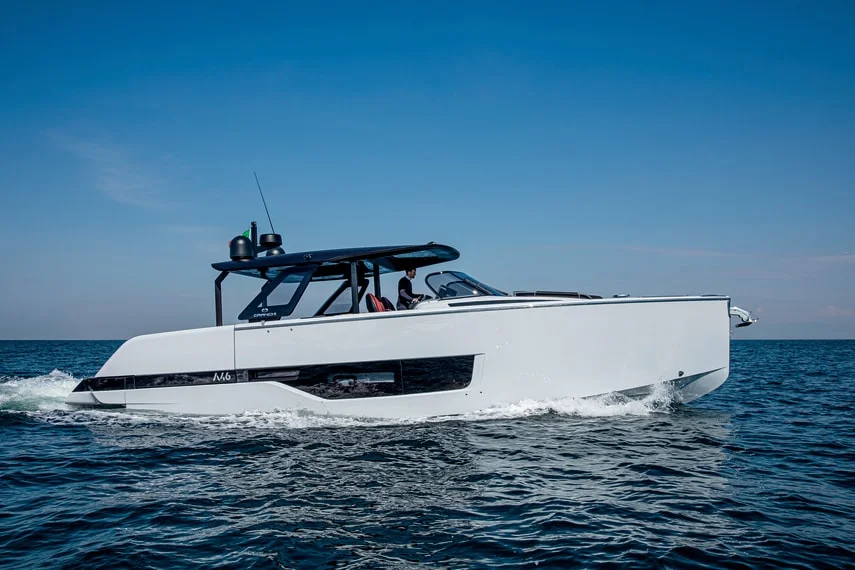
For example, the Cranchi A46 page currently shows a 6–12-month delivery range, while the Sunseeker 82 Ocean Enclosed shows 12–24 months. They are examples of different catalogue indications, not substitutes for one owner or proof of present stock. Their purpose is to show why an apparent difference in months needs an exact offer behind it. The search should then stay within yachts of the relevant type and size, with current availability verified individually.
An owner may also encounter a yacht that fits the desired first season but requires a decision about equipment or location. Rather than letting urgency resolve the question by default, write down the features that make the purchase personal and the preparations needed before use. The shortlist remains energetic and positive while important choices stay visible.
Give timing its proper authority
Delivery should lead when missing the target season would materially change the reason for buying now. In that case, a strong candidate needs a plausible owner-ready path, not simply an attractive estimate. If the date is a preference rather than a boundary, the yacht itself—its use, layout and operating fit—can remain the leading decision, with timing tested later among the strongest options.
For either buyer, the final timing conclusion belongs in a dated written proposal and, where agreed, the transaction documents. It should identify the particular yacht or slot, delivery location, specification, milestones and acceptance process. A commercial or legal adviser can review the obligations and remedies relevant to the exact agreement. LYRA's approach to yacht selection keeps the first-season ambition at the centre while the evidence turns that ambition into a workable handover plan.