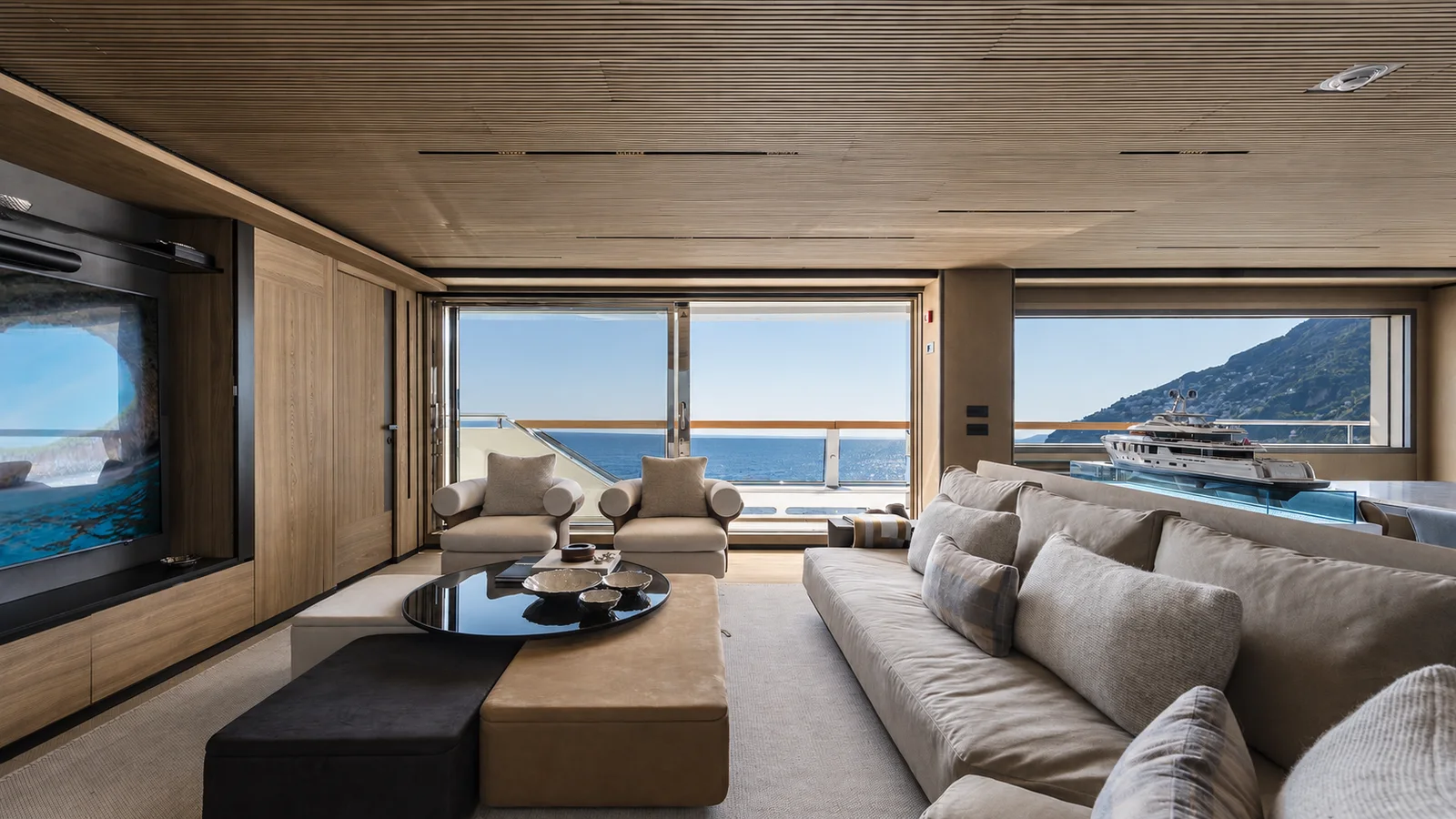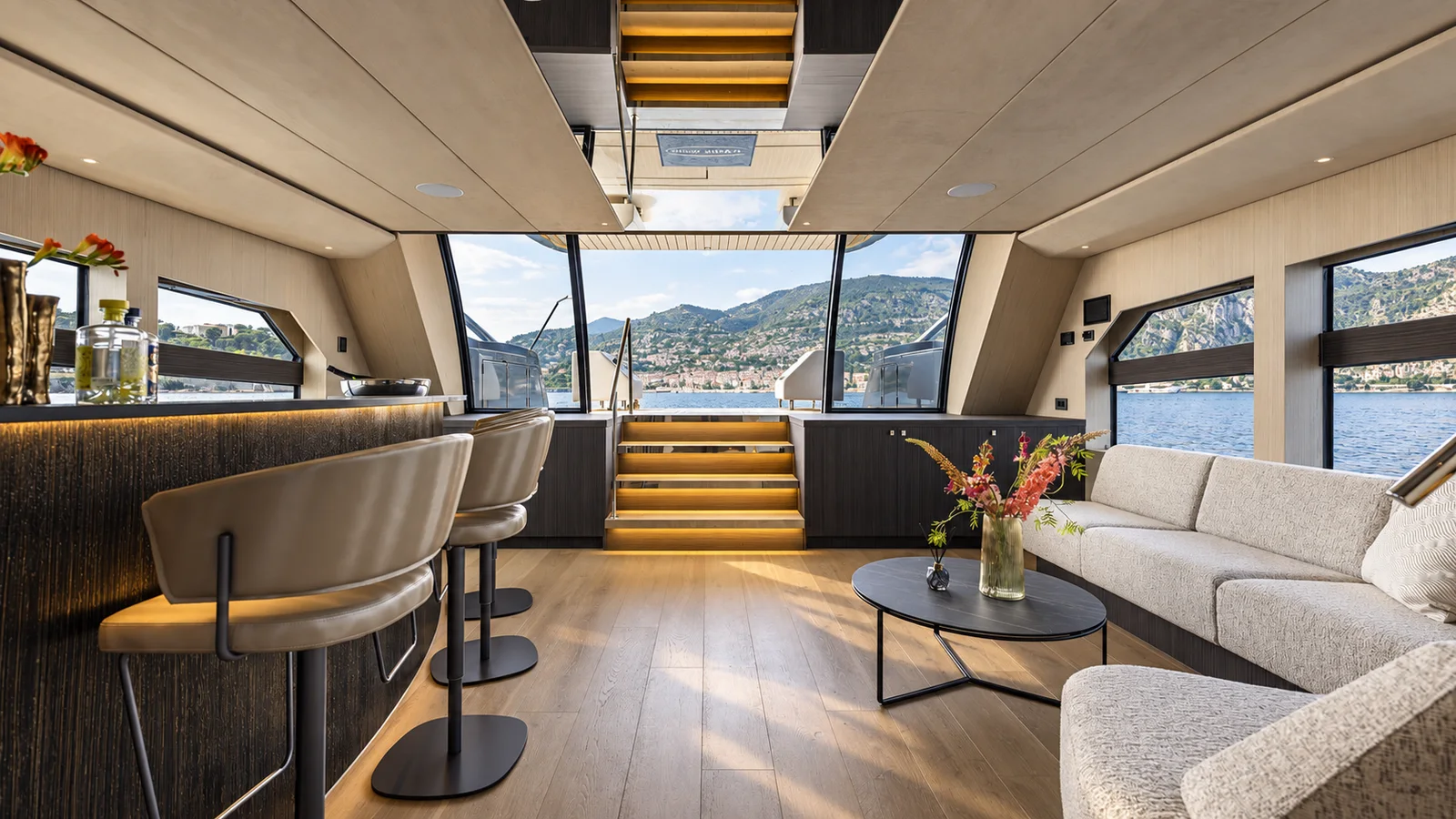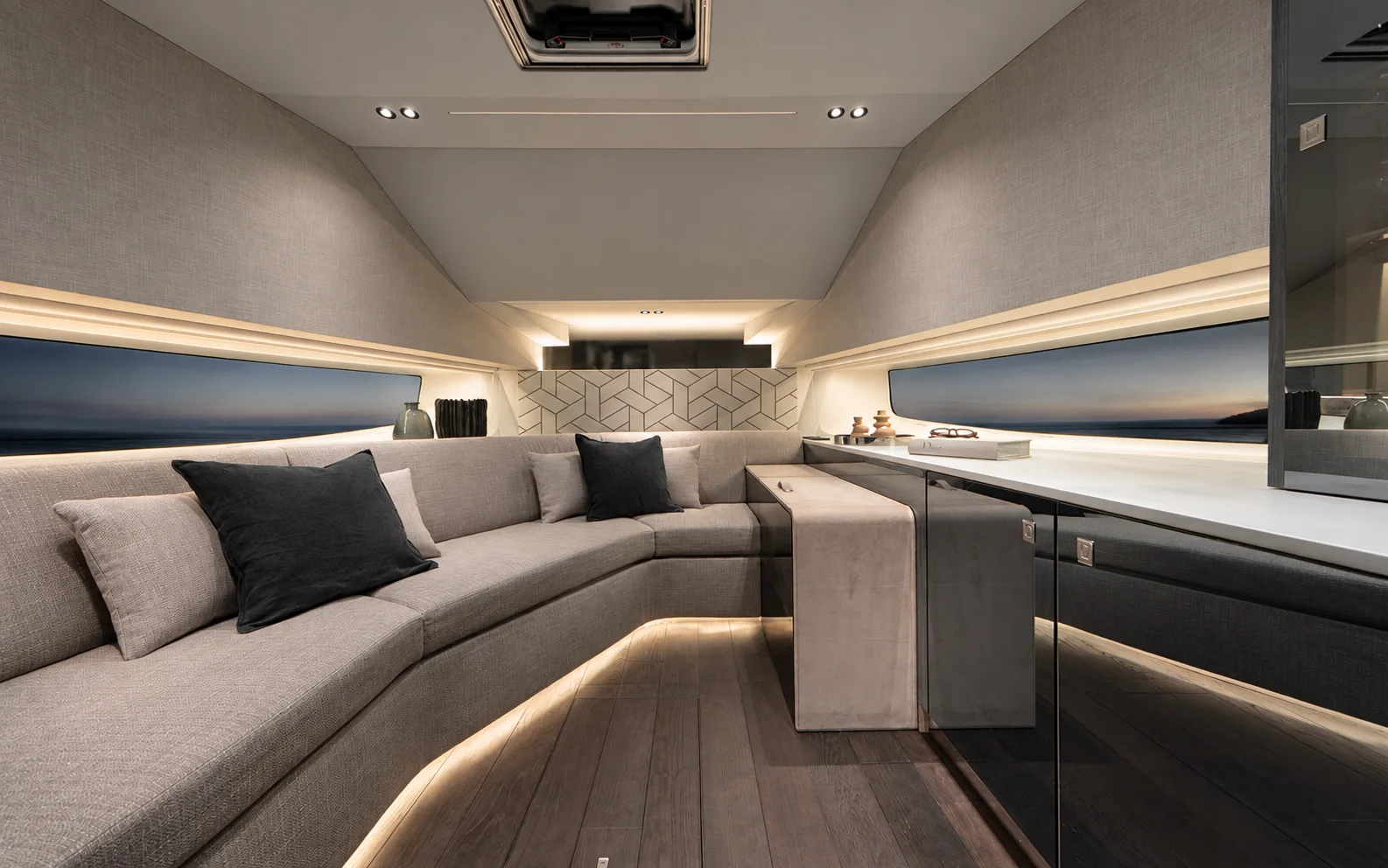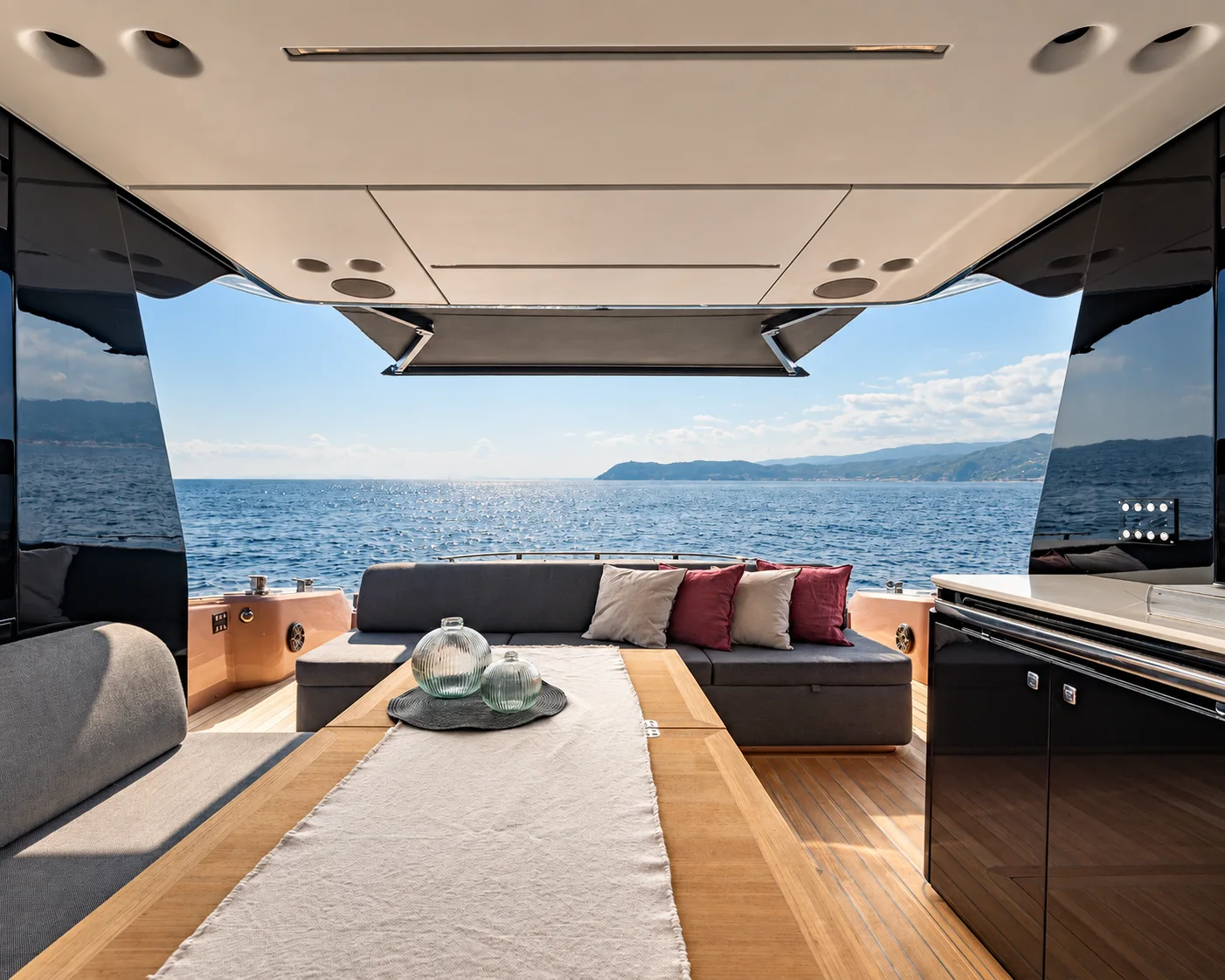
An owner may picture a yacht as a place where the same circle meets again and again: parents, children, grandparents and a few close friends. The group is not an occasional exception to the plan. It is the reason for buying. In that case Guest Capacity should shape the search early, because a beautiful yacht that cannot welcome this group in the intended way will change the life the owner hoped to create.
This is different from asking for the largest possible guest figure. The buyer is setting a boundary around a recurring occasion. Once that occasion is clear, the LYRA catalogue's Guest Capacity control can narrow the represented market to yachts worth studying in detail.
A recurring group changes the first filter
Suppose the owner expects ten people for a Sunday on the water most weeks of the season. That number is part of the normal programme. A yacht presented for eight guests may be attractive in many respects, yet it does not answer this particular brief. It belongs in a different conversation unless the group itself changes. A yacht presented for 12 guests has crossed the first threshold, though the owner must still inspect how those 12 people are accommodated.
The distinction is easy to see in catalogue examples: LEVEL 43 ST is listed for eight guests, while Wajer 55 is listed for 12. These are examples of different stated capacities, not proposed finalists or a comparison of overall quality. The owner should return to the whole segment that meets the normal group size and examine the layouts within it.
Guest Capacity becomes decisive because it prevents the search from beginning with yachts that cannot serve the social purpose. It can save time before the owner develops a strong preference for a model whose number is fundamentally out of step with the brief.
The number protects an experience
A group of ten does more than occupy ten places. People arrive at different times, gather in clusters and move between sun and shade. Children may want to swim while older guests prefer a stable, sheltered seat. Everyone may come together for a meal. This is why meeting the listed capacity is a necessary opening question rather than a complete answer.
The owner can make the filter more meaningful by describing the central occasion in one paragraph. Who will be aboard? Will they eat together? Is the day mainly at anchor or underway? Are any guests likely to stay overnight? These answers help distinguish a yacht designed for sociable afternoons from one whose accommodation plan suits a smaller group for longer journeys.
For a family-led brief, LYRA's Family suitability indication can offer an additional discovery lens. It should be treated as a way to find candidates, not a certification that a yacht meets every family's particular needs. The buyer still needs to examine boarding, circulation, seating, shade and cabin arrangements. Two catalogue signals are enough to establish a relevant search direction; the viewing supplies the human test.
When capacity should move down the list
If large gatherings happen only once or twice a year, the owner may prefer to choose around everyday use and handle those occasions differently. A yacht built around a rare maximum can be less natural for the days that actually fill the calendar. In this situation capacity still matters, but it need not command the search from the beginning.
The deciding test is frequency. Does the group make the yacht's intended life, or is it a special event within a different life? A regular group deserves a firm capacity boundary. An occasional group may be better considered after the owner has found the right type and operating rhythm.
This distinction is part of a positive buying decision. It directs the owner toward a yacht they will enjoy using, rather than towards a specification that looks generous only on paper.
From a boundary to a shortlist
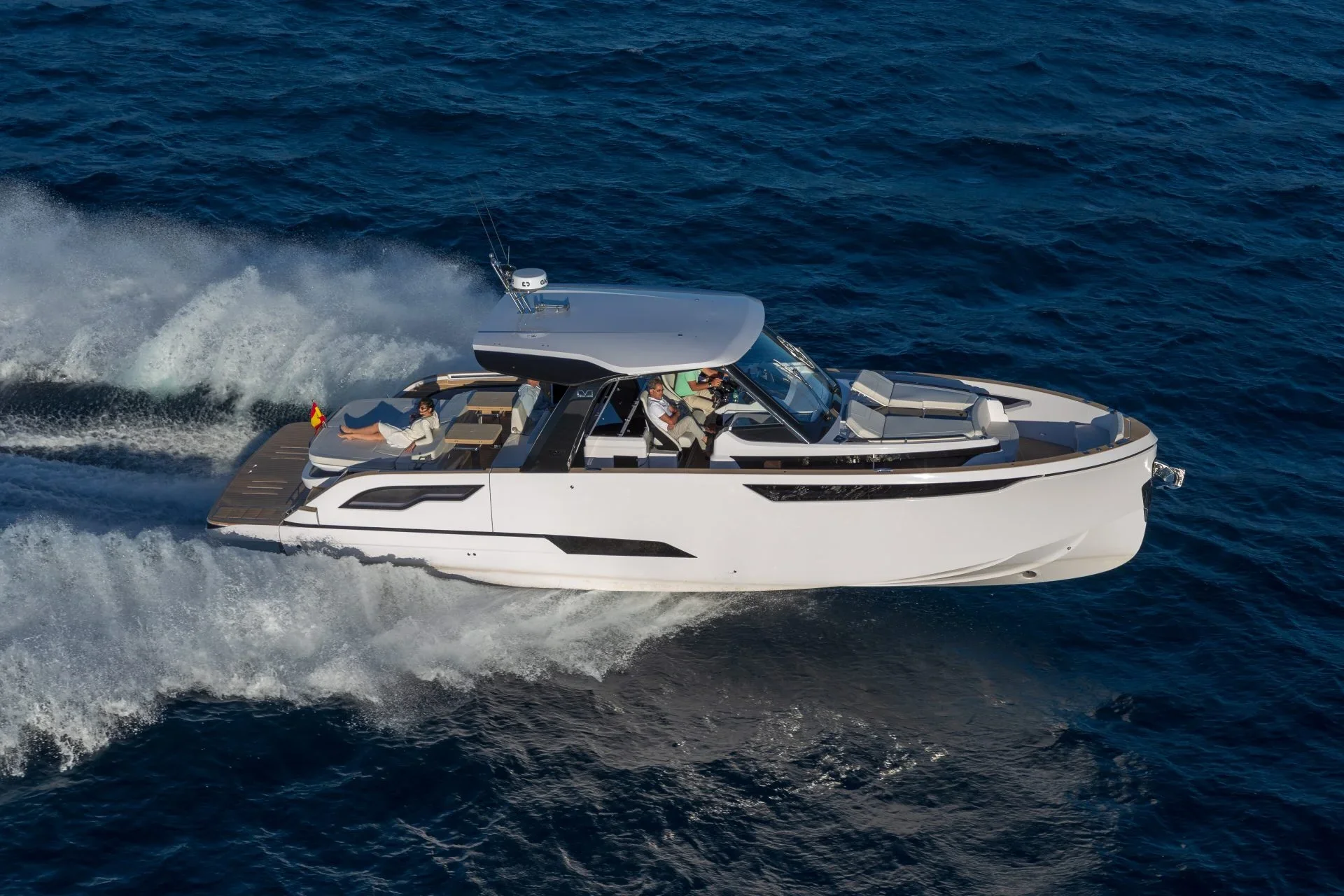
Once the normal group size is set, the shortlist can develop around different ways to host it. One yacht may offer a single generous social deck; another may provide quieter zones for guests who want to separate. The owner can choose the arrangement that matches their idea of hospitality. The catalogue narrows the field, and a walk-through shows how well the yacht welcomes people in practice.
LYRA's selection process connects these choices to the owner's wider lifestyle. Guest Capacity should lead when it preserves the group that gives ownership much of its meaning. It has done its job when the buyer can say not merely how many people may come aboard, but why those people will feel at home there.