For one owner, diving is an occasional holiday pleasure. For another, a morning dive is the reason to go afloat most weekends. The second owner should allow water activity to shape the yacht search from the beginning. It affects how the boat is prepared, who comes aboard, where equipment lives and how the crew or qualified dive professionals support the day. Treating it as a minor amenity would miss the purpose of ownership.
LYRA model pages can describe Diving among Activities & Experiences, while the catalogue presents broader activity and suitability controls for discovery. The buyer can use those signals to find relevant yachts, then set a more exact requirement: the chosen type and size must support the owner's recurring diving programme. A label is an invitation to examine the yacht, not confirmation of installed dive equipment or an approved dive operation.
Make frequency the decision trigger
Ask how often the owner expects to dive and whether guests will join. If the answer is most weekends of the season, the storage and access arrangements deserve the same early attention as cabins or range. If the activity occurs once a year, it may be served by a different operating plan without letting it determine every design choice. This distinction protects what the owner genuinely wants to do, while leaving room for other pleasures aboard.
The search brief should name the usual dive party, the equipment they bring, the region and the professional support they expect. It should also say who remains aboard. A yacht that works beautifully for the divers but gives companions no satisfying place to spend the morning may not deliver the whole owner's day. These are use questions, not a generic checklist copied from a different activity.
Safety-critical matters belong to qualified dive and marine professionals: site selection, weather, equipment, supervision, emergency response and the exact vessel's operating procedures. The editorial brief can identify where these questions arise, while specialists determine what is appropriate for the planned diving. A model-page activity label cannot do their work.
Use the catalogue to open a meaningful segment
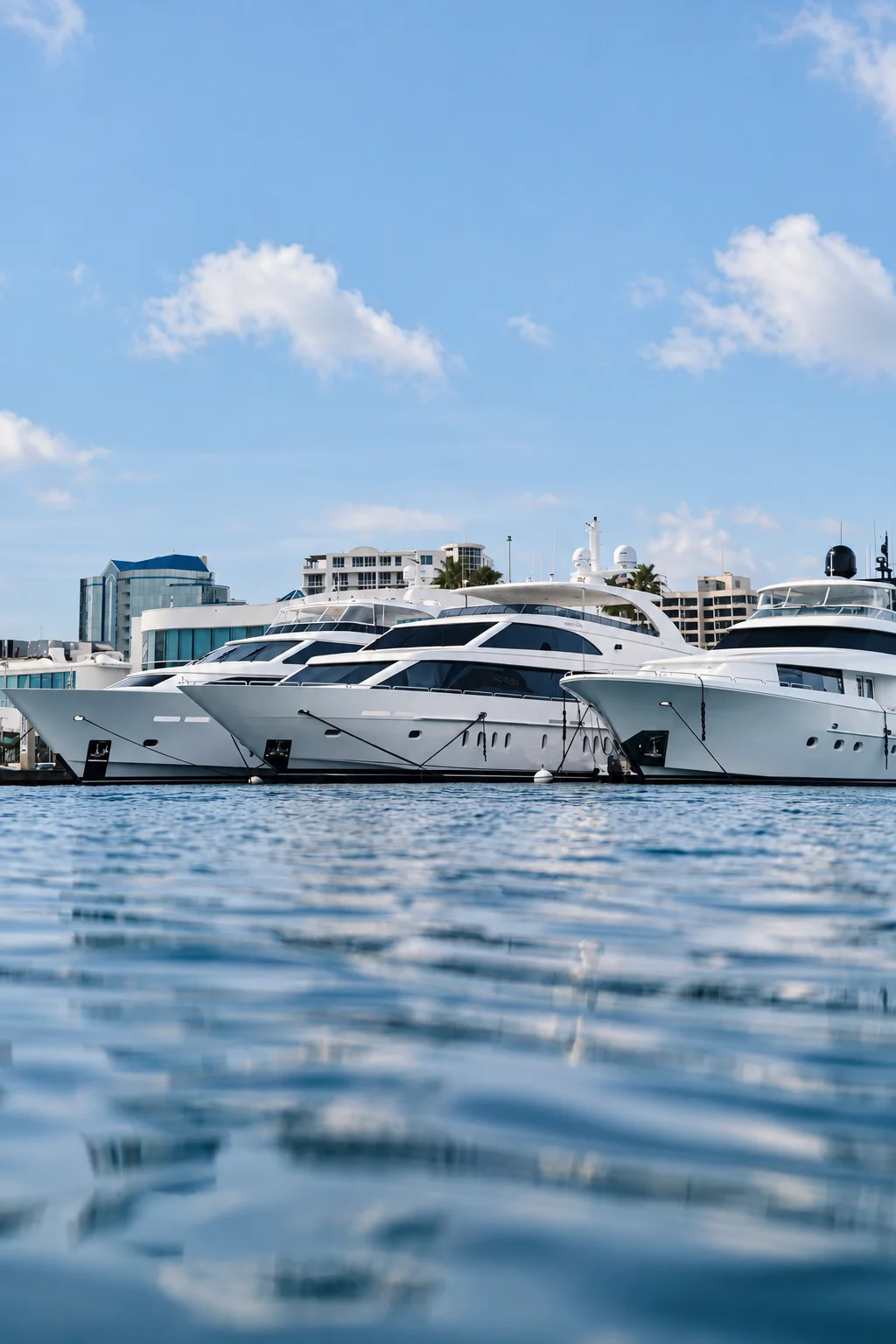
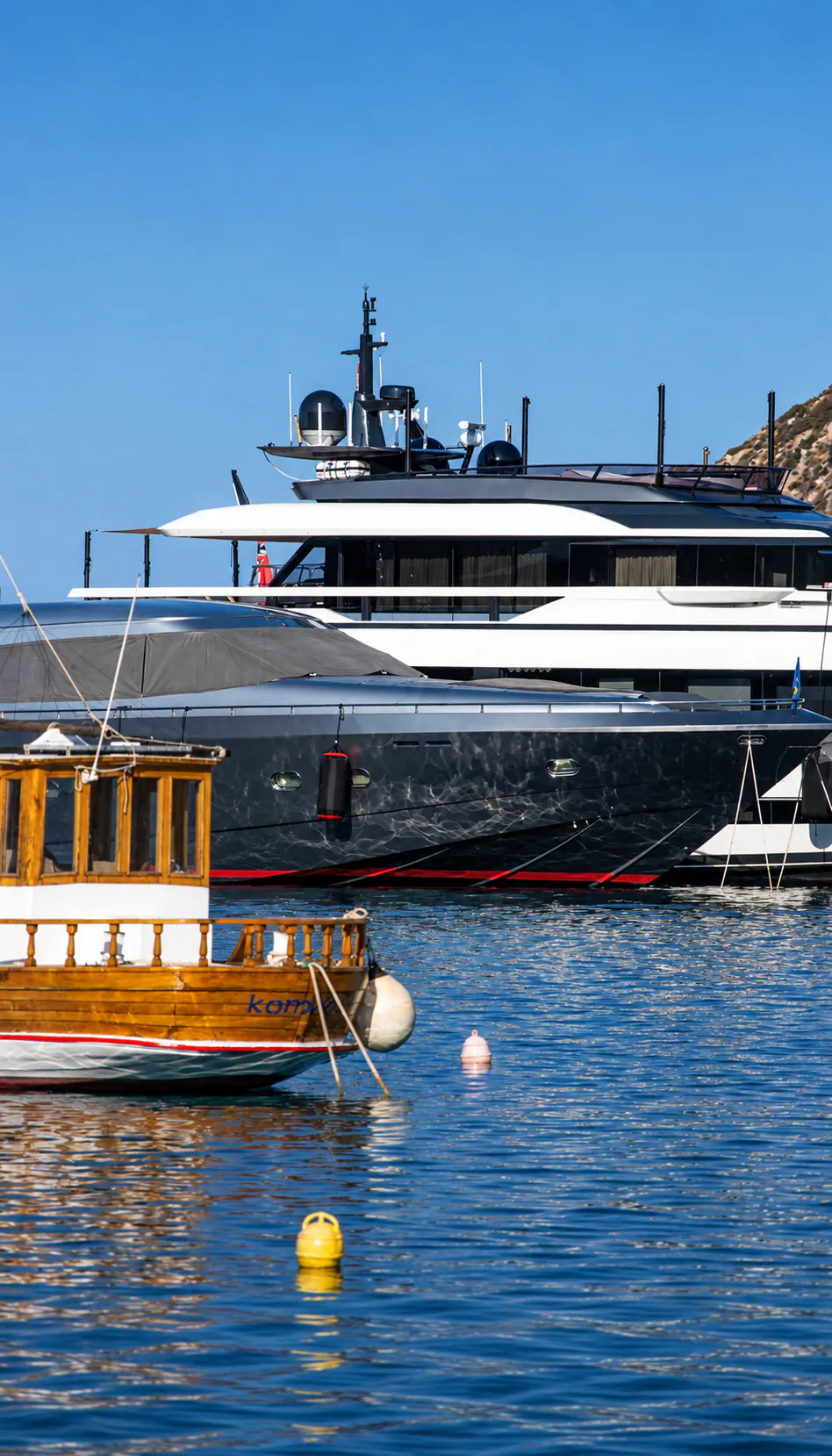
The Cayman Yachts 540WA and Focus Yachts 5X are examples of LYRA pages that mention Diving. They show the activity appearing across different motor-yacht designs. They are examples only, not a safety endorsement or recommendations for this owner. Once the possibility is visible, the buyer should look across yachts whose length, base and operating model match the real programme.
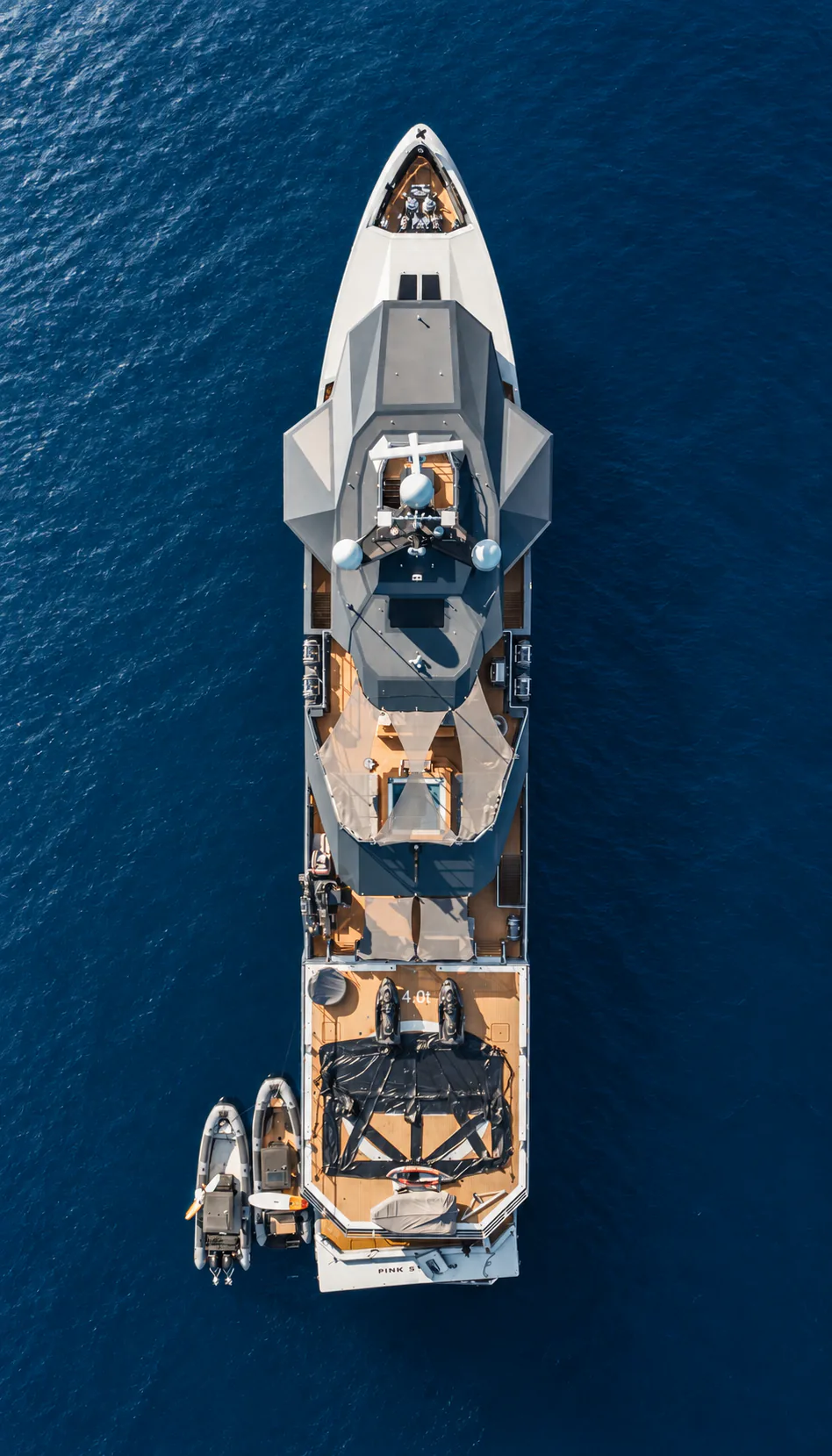
At this stage, the decisive boundary might be an accessible working area for equipment and a suitable return from the water, not a more elaborate toy inventory. The exact gear list and layout must be verified on a candidate vessel. A yacht that has an inviting swimming platform in a photograph may be configured differently from the boat available for purchase. The purpose of early activity-led selection is to concentrate attention where a later detailed inspection will matter most.
Keep the rest of ownership in the picture
The owner will also cruise, host, rest and perhaps travel. Once the recurring dive requirement is met, compare how naturally the yacht serves those other uses. A working area may be excellent in the morning and sociable by lunch; another arrangement may keep specialist gear separate from guests. These are different solutions to a rich ownership life, not a ranking of which boat is “more adventurous.”
LYRA's selection philosophy asks the buyer to begin with the life they want at sea. Water activities should define the search when they are central to that life. The result should be a yacht that invites the owner to go diving often and still welcomes everyone aboard for the rest of the day.