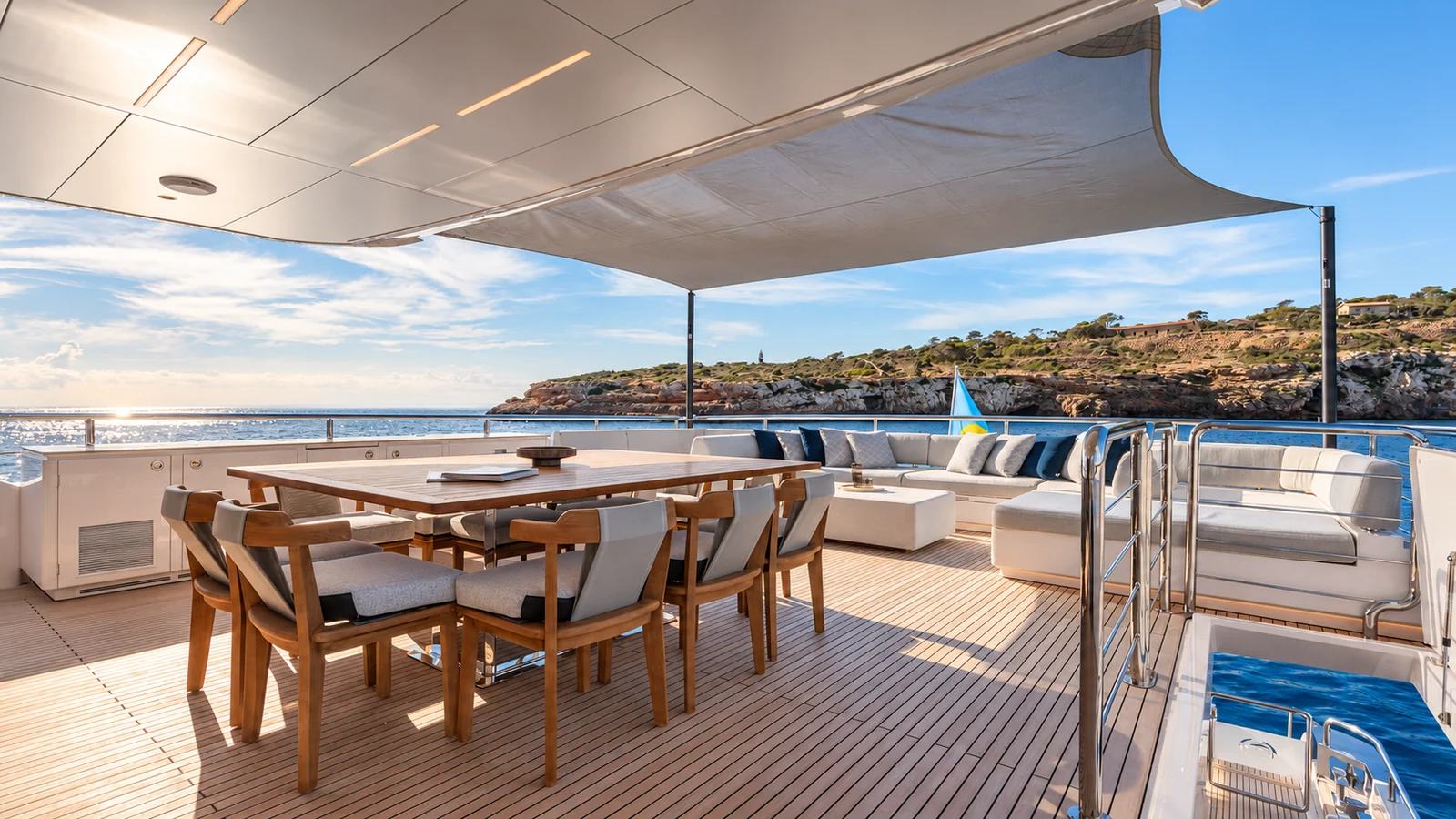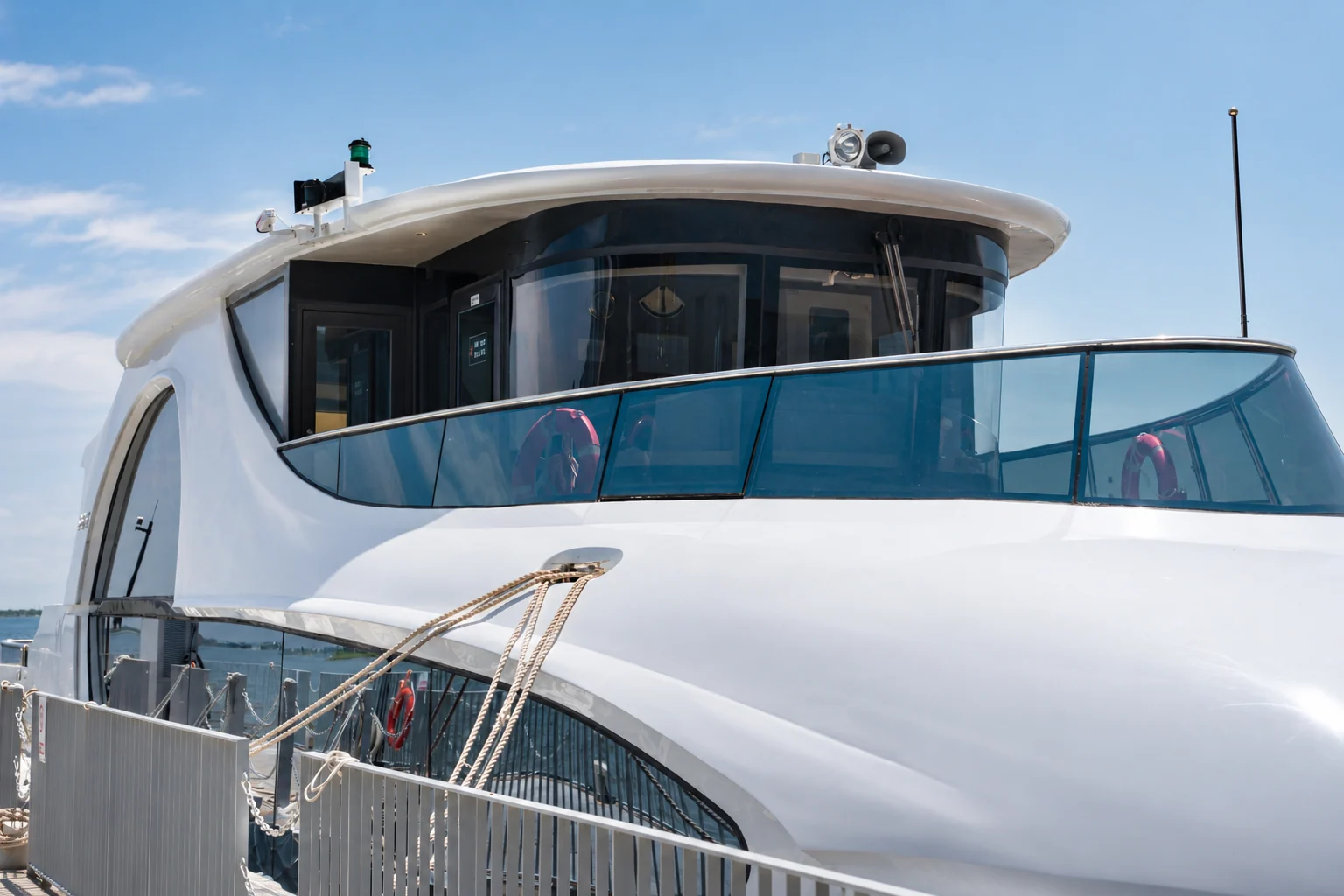
An evening ashore can be one of the pleasures of a coastal yacht holiday. There is a harbour to walk around, a table to find and a different view of the place you approached from the water. At stops where the main yacht remains at anchor under the captain's plan, the tender becomes the connection between that experience and your familiar home aboard.
Tender Garage helps explore one carrying arrangement, while the Travel marker frames the journey. The complete tender package and actual destinations need to be assessed together for the programme you want to enjoy.
Give the shore visit its own place in the brief
Describe what you would like to do at each type of stop. A meal, a walk or collecting provisions can involve different people and belongings. The captain and relevant providers should confirm the appropriate access and operating arrangement for the actual location and yacht.
The owner should understand whether a visit is planned alongside or involves an auxiliary boat. That distinction affects how the company prepares to leave and return. It also gives the tender a clear purpose within the purchase, with the intended shore experiences kept visible from the start.
A holiday can include different kinds of stop within one coherent route. The captain develops suitable plans and alternatives, while the owner explains the experiences that matter. The tender should be considered through its role in that professionally assessed programme rather than as an item assumed to accompany every yacht in the same way.
Read storage through the complete sequence
In the LYRA catalogue, Tender Garage helps identify one way of accommodating an auxiliary boat. The actual garage, handling equipment and selected tender need to form a confirmed package. Other carrying arrangements can be assessed through the same intended use.
The proposed support should also explain how returning guests coordinate with the appropriate operator and team. A planned walk or meal has a beginning and end, with the actual collection arrangements confirmed for that stop. Knowing that connection gives the owner a clear account of the shore time the tender is intended to support.
The relevant sequence begins before the guests board. The boat is prepared and made available through the captain's arrangements, then returns to its place after use. The yard and captain should explain the actual system and the responsibilities around it during a suitable demonstration.
This is particularly meaningful when the tender will be used repeatedly during the holiday. The owner should know how it fits into the day's preparation and how the stern or other living areas function while it is carried. A physical layout can feel different before and after deployment, so both states belong in the purchase assessment.
The people doing the work can explain what the actual arrangement requires. The owner's interest is the experience it supports: joining the shore visit through a clear plan and returning to a comfortable yacht afterwards. The technical and operating procedures remain with the qualified team.
Make the short journey comfortable for the company
Guests may use the tender in ordinary clothes with a bag or items brought back from shore. The actual boat, seating and access should be assessed for those people and the programme. Its own capabilities and permitted use are separate matters from the main yacht's specifications.
Describe the return journey as well as the outward one. The party may come back with provisions or other purchases, giving the captain a fuller picture of the people and belongings involved. The tender’s actual arrangement needs assessment for that proposed use. This makes a shore visit a complete purchase question: the company can picture leaving, enjoying the place and returning with what the day brings back aboard.
Try the appropriate boarding and seating arrangements through a supervised demonstration where possible. The company can describe personal comfort while the captain and specialists assess suitability. Those observations help connect the smaller boat with the holiday experience the owner is buying into.
Consider the return aboard as well. There should be an understood place for belongings and a comfortable route back to the main living area under the captain's arrangements. The tender journey ends with the company settling again into the rooms and views they recognise.

Keep the yacht inviting while people go ashore
Sometimes part of the company will remain aboard. The captain establishes the appropriate staffing and operating arrangements, and the owner can describe how both groups would like to spend that period. The main yacht should continue to offer appealing spaces for the people staying.
The household plan can then support a familiar rhythm. Friends return from a walk, bags go to their places and conversation continues at the table. The yacht supplies continuity while the shore adds variety to the journey.
The confirmed purchase proposal should identify the tender and equipment included, with any separate choices clearly described. If the package changes, the yard and captain should assess compatibility again so the intended programme remains connected to the actual installation.
A well-matched tender arrangement can become part of the daily pleasure of harbour-hopping. It helps the yacht serve as a comfortable base for the coast you want to explore, with each shore visit joining naturally to life aboard your own vessel.