There is a shift coming to yacht brokerage, and it is not principally about faster sales or larger commissions. It is about rethinking how yachting is imagined, shown, discussed and lived.
At LYRA, we are interested in building more than a brokerage platform. We are working towards a new language of connection between yachts and people: one informed by AI, shaped by storytelling and expressed with cinematic precision.
Yachting has always been about more than boats. It is about freedom, privacy, achievement, and a particular relationship with time and space. Yet the way the industry presents yachts often remains static: glossy brochures, predictable camera moves, familiar heroic angles and polished smiles. The object is perfect. The story is often missing.
I believe the next chapter of yachting will be written not only in steel and composite, but also in images, narratives and intelligent systems that better understand what people value. This is where technology meets emotion — and where brokerage can become a form of creative direction.
Technology Should Strengthen Human Judgement
In a traditional brokerage model, human intuition and experience lead the way. That remains essential. Today, however, intuition can be supported by a more intelligent preparation process.
The ambition is not to build a system that merely sorts listings. It is to use structured market information and a clearer understanding of lifestyle preferences to make the first conversation more useful. Technology can help organise a broad field of options, identify relevant patterns and leave the human adviser with more time for what requires experience: listening, challenging assumptions and weighing trade-offs.
Imagine a process that pays attention to the kind of interiors in which a client feels at home, the pace of a day spent at sea, and the balance they seek between freedom and privacy. That is the direction in which brokerage can develop: a synthesis of human empathy and algorithmic support.
This is not about replacing the broker with a chatbot. It is about giving the broker a better instrument: a way to retain a structured view of a complex market, compare relevant parameters quickly and surface options that might otherwise be overlooked. The adviser remains the guide, while the technology helps make the route more informed.
In practice, that can mean shorter search cycles, fewer dead ends and a selection process that feels less like browsing a catalogue and more like a conversation with someone who understands a client's rhythm of life. Technology can handle structure and scale; people remain responsible for nuance, trust and judgement.
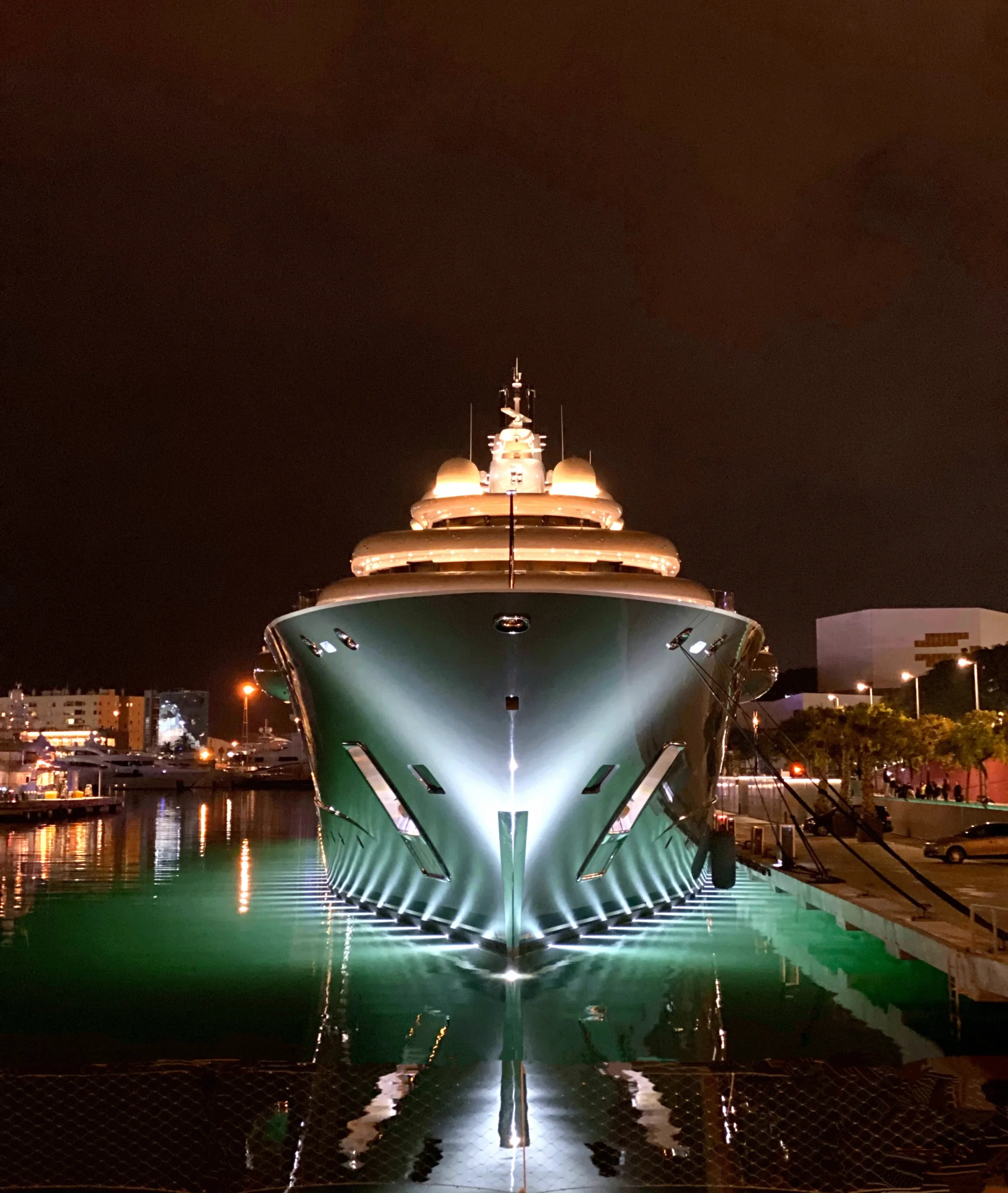
Re-Producing the Yachting Experience
Technology is only one part of the opportunity. The other is visual emotion: how yachts are shown, narrated and remembered.
For years, yacht marketing has relied on repetition: similar angles, the same visual pace and a familiar story. I use the term Re-Production to describe a different approach to visualising maritime beauty. It asks us to move from showing a product to staging an experience.
Every yacht can be treated as a narrative canvas. The creative work is in building a visual world that brings together architectural aesthetics, light, sound and emotional rhythm. The light on polished teak, the sound of waves in the background and the movement of fabric in the wind are not decorative details. They are part of the story a viewer can recognise immediately.
Rather than rely on static decks and predictable drone passes, we can think in scenes: the first morning light on the hull, a tender docking at dusk, or a quiet moment when the sea becomes the only horizon. Camera movement, pacing and sound design can be treated with the care of high-end cinema — not to dramatise a yacht, but to reveal the emotional texture of life on board.
This also changes the role of the yacht itself. It stops being only an object in a catalogue and becomes a character in a story: a place where time slows down, privacy has weight, and design is felt through routines rather than simply seen in photographs. Every frame should answer a simple question: what does it feel like to live here?
In practice, that may take the form of short visual essays instead of standard brochures, mood-led edits rather than technical walkthroughs, and narratives centred on the rhythm of days at sea rather than a list of specifications. The aim is not to decorate a yacht with effects, but to let its atmosphere emerge through light, movement and detail.
This is also a visual ethic. I am not interested in exaggerated glamour or artificial perfection. The more compelling images respect the reality of life at sea: the texture of materials, the quality of silence, and the way people actually move and relax on board. It is a more mature, human and credible language of luxury for people who have already seen everything and now want to feel something new.
Yachts Can Become Stages for Stories
Beyond visualisation lies a larger opportunity: cultural storytelling. A yacht can become a setting where reality, lifestyle and art meet — not as a backdrop, but as a living participant in the story.
There are many formats worth exploring: documentary-style portraits of life at sea, intimate music performances on board, carefully considered dinners and art encounters, or fashion editorials shaped by the light and movement of the water. These are creative directions, not announced productions. Their value is in showing the sea as an active part of the experience rather than a passive location.
One can imagine a floating talk show filmed at anchor in a different bay each episode. Guests arrive by tender, the light changes with the day, and the intimacy of the yacht creates a tone that no studio can reproduce. The setting encourages a slower and more focused conversation, with the horizon as a constant reminder of scale and perspective.
Another possibility is a music and culture series: exclusive DJ sets and acoustic performances recorded on board at sunset, then presented as visual albums in which location, sound and image are inseparable. Each performance could respond to the particular yacht, its decks, its lines and its atmosphere.
In all of these directions, the yacht is not set decoration. It is a narrative engine. It shapes the mood, the movement and the meaning of what happens on board.
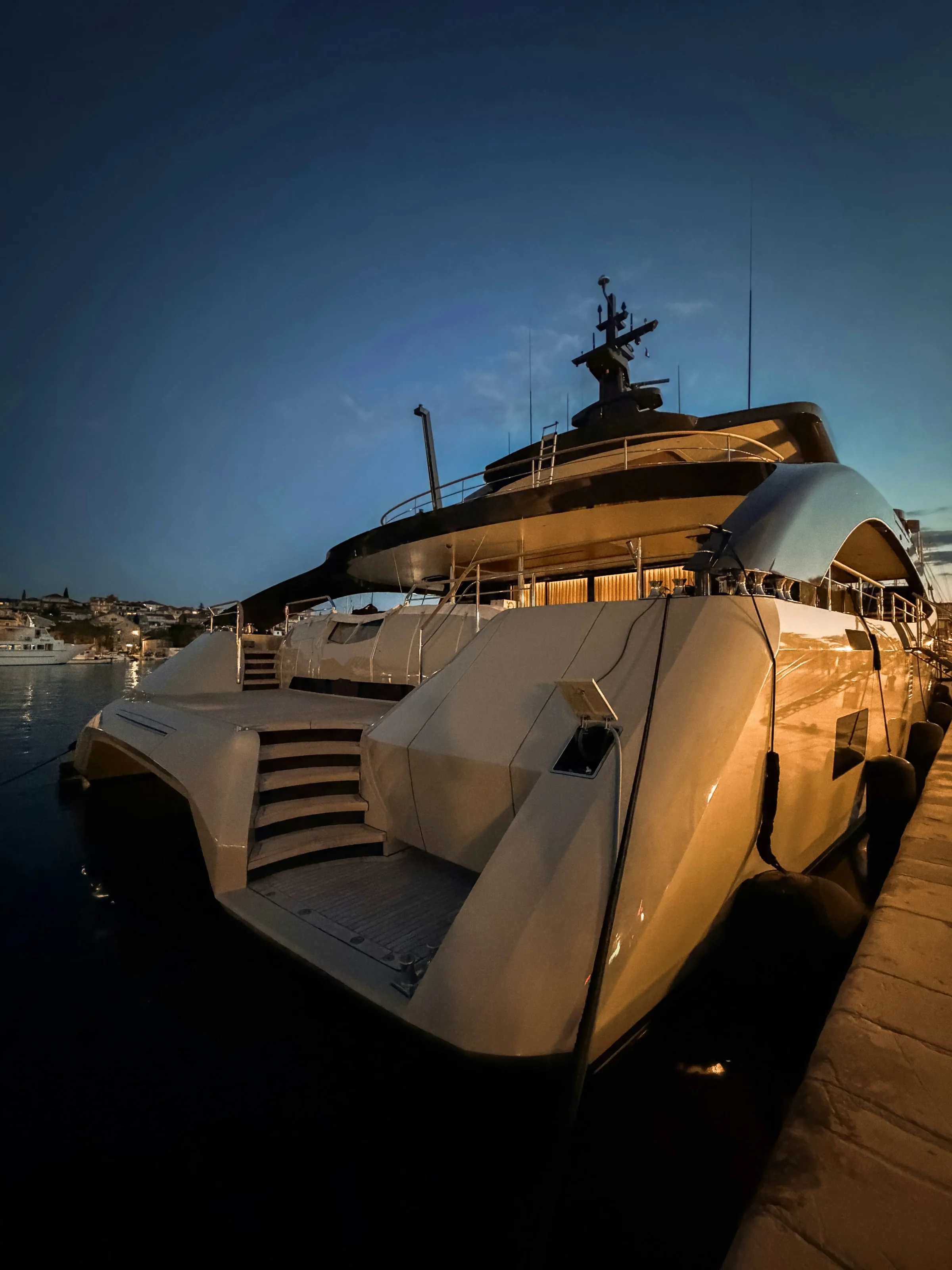
The LYRA Perspective
LYRA is not here to replicate what already exists. We want to reshape perception.
I see yacht brokerage as a creative process in which technology becomes insight and visualisation becomes emotion. The work is to redefine the bridge between the virtual and the real, the personal and the universal.
That means building a company that is comfortable with both data and drama: structured market information and cinematic narratives, AI-supported research and human intuition. It means treating every client journey as a story that deserves to be understood and told well — in the way we select yachts, present them and frame the entire experience of ownership.
In the next era of yachting, success will not be measured only by the price of a vessel, but also by the depth of the story it makes possible.