A weekend under sail has its own pace. There is time to enjoy the way the yacht moves, stop somewhere attractive and wake up with the next stretch of coast ahead. When two people make up the regular sailing company, the yacht's working arrangements have a particular influence on that pleasure. Both should be able to take part at a level they enjoy, with enough attention left for the experience around them.
Sailing and Single-Handed Operation give the LYRA catalogue search a useful focus. For a couple, the second parameter opens a discussion about the working arrangement and division of tasks. The installed equipment and each person's intended role deserve a closer look on the actual yacht.
Two people, with different relationships to sailing
Start with how you imagine sharing the passage. Perhaps both of you enjoy trimming sails and discussing the next leg. Perhaps one person is an experienced sailor while the other prefers steering for a while, preparing lunch and enjoying the coast. Both are appealing forms of ownership. They lead to different priorities around the cockpit.
For the more active pair, good working positions may be part of the attraction. For a couple with different experience levels, it can matter more that the experienced sailor can reach the relevant controls without repeatedly asking the other person to move. The person enjoying the passage should have a comfortable place that remains usable while sailing work is taking place.
This is why a quiet harbour viewing benefits from a little imagination. Sit where you would sit on the way to the next bay. Ask the demonstrator to show where sheets lead, where they are stowed and where someone stands to use the winches. You begin to see whether the cockpit invites the weekend you have in mind.
Sail handling has a rhythm
Short-handed coastal sailing includes several changes within a relatively short trip: preparing to leave, setting sail, adjusting the sail plan and returning to harbour. An arrangement that suits long, uninterrupted passages may have different attractions from one that makes these frequent transitions comfortable.
Discuss the intended sail-handling sequence with the skipper or yard representative. The useful questions concern reach, visibility, working room and the controls fitted to that particular yacht. Electric winches, furling arrangements and an autopilot can each contribute, while their value depends on how they are integrated and on the crew's familiarity with them. Their names on an equipment list reveal only part of the experience.
A demonstration can also show where the two people would be when tasks overlap. One might remain at the helm while the other works nearby. The arrangement feels coherent when they can communicate, see what matters and move without crossing each other's working space. Training and familiarisation then develop around a layout they already understand.
Describe each person's experience to the qualified professional assessing the programme. They should establish the responsibilities, staffing and familiarisation appropriate to the yacht and intended use. The two people who form the regular weekend company can then understand how their preferred involvement fits the operating arrangement. The catalogue marker helps identify candidates for that conversation; the assessment gives the actual roles their scope.
Examples of contrasting sailing arrangements
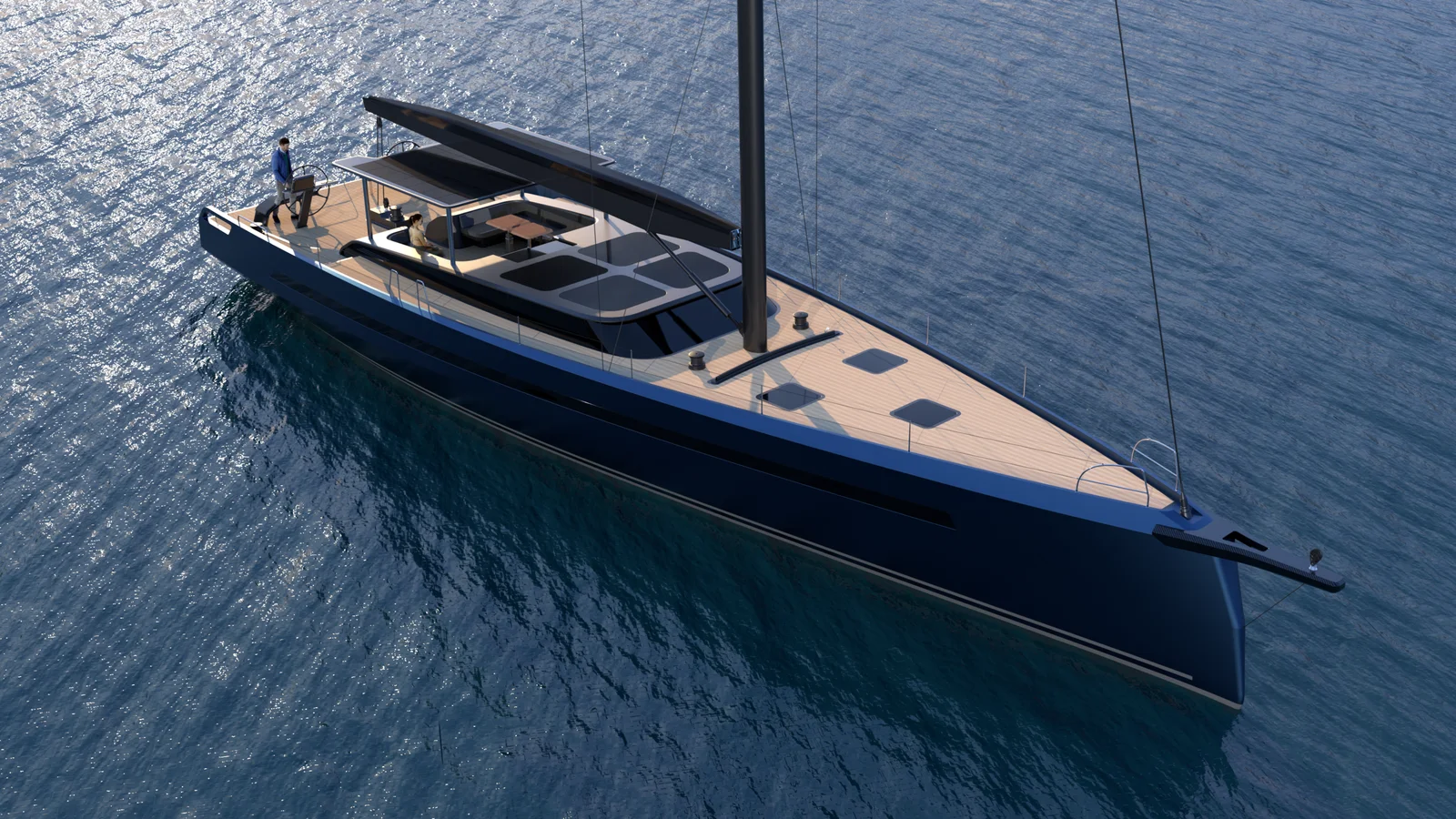
Catalogue examples: the Arcona 50, listed at 15.8 metres, describes a twin-wheel cockpit with L-shaped seating and two tables. The Hutting 52, also listed at 15.8 metres, describes a pilothouse and an extended aft cockpit. Both carry the single-handed suitability marker. They illustrate different ways of arranging a sailing yacht around a small regular crew.
Within this part of the market, shelter and the relationship between working and relaxing areas can be as influential as the amount of open cockpit space. A more protected position may suit a couple who enjoy sailing beyond the warmest months. An open, clearly organised cockpit may appeal to owners who want to feel closely involved with the sailing. Experiencing each arrangement helps make that preference concrete.

Leave room for the shore-side part of the weekend
The first evening might involve a harbour restaurant; the second morning could begin with breakfast aboard. Think about the time between sailing and settling down. Where do jackets go? Can the cockpit become a comfortable place for a drink while sailing equipment remains properly stowed? Does someone preparing food stay connected to the person outside?
With two people aboard, shared space matters because you will spend much of the weekend together. A galley close to the companionway, convenient storage for sailing clothes or seating sheltered from a cool breeze can make the transition into the evening especially pleasant.
Ask to understand the cockpit in the arrangement intended for that quieter part of the day. The position of the table and seats should make sense alongside the working equipment in its appropriate state, as explained by the responsible professional. This connects the satisfaction of sailing with a place where both people can settle comfortably afterwards, using the same boat in a different mood.
On a final viewing, picture the whole weekend as a continuous experience. Let the sailing demonstration establish the working arrangement, then spend time in the places you will use after arrival. The right candidate will give you a convincing sense of both: the satisfaction of sailing together and the ease of having your own place waiting at the end of the passage.