In daylight, an enclosed helm can feel bright and open, with the harbour framed by its windows. As evening arrives, the same station has another character. Displays, cabin lights and the glass around the operator become part of the view. For an owner whose programme may include returning after dark, this is a worthwhile part of the selection to experience with a qualified skipper.
The purchase question concerns the installed working position. You want to understand how it serves the intended operator in the relevant conditions, with professional assessment and familiarisation included in the plan.
See the station at the relevant time
A daytime viewing introduces the helm's dimensions and equipment. An evening visit can help address questions about the lighting and visual environment. Arrange it with the representative and captain so they can determine what can appropriately be demonstrated in harbour or during a suitable trial.
Sit in the normal operating position and let the demonstrator explain the arrangement. The relevant view depends on the seat, standing position and the operator's height. Window frames, the shape of the glazing and surrounding furniture should be considered from that actual position.
Ask the skipper which observations matter for the intended use and which need a practical assessment under suitable conditions. This keeps the viewing connected to the purchase without turning it into an improvised lesson in night navigation.
Understand the relationship with the living spaces
An enclosed helm may sit close to a saloon or dining area. In the evening, those rooms can be occupied while the yacht is under way. Discuss how the layout and lighting are intended to support both the operator's work and the company aboard.
The demonstrator can explain any separation, shading or lighting controls provided for that purpose. Look at the actual configuration rather than assuming that every interior layout has the same arrangement. Optional furniture, finishes or equipment can be relevant to the view from the station.
This is also an opportunity for the family to understand the captain's requirements. The working environment needs to support the person operating the yacht, and the agreed routines aboard should reflect that.
The family may want to read, finish a meal or move between rooms during the return. Describing those ordinary activities helps the demonstrator show the relevant relationship with the helm. The useful assessment includes the living spaces in their intended evening arrangement, with any restrictions and required changes explained by the captain. A clear explanation makes the relationship between the social areas and helm easier for everyone to understand.
Bring reflections and displays into the demonstration
The professional assessment should address reflections, visibility and the information presented to the operator. Ask how the installed displays and lighting are configured for the intended use, and which adjustments are described in the equipment documentation.
The purpose is to understand the system and arrange appropriate familiarisation. Specific operating settings and procedures belong with the captain, instructor and official instructions for the equipment. The assessment needs to refer to the particular vessel, its equipment and the intended operator.
Where several screens or stations are fitted, have the representative identify the actual installation included in the offer. The way information is arranged should be assessed as part of the complete helm, with the operator's regular tasks and experience in mind.
Record which configuration was demonstrated: the station used, the seat position and the relevant interior arrangement. If the order later changes the glazing treatment, furniture or equipment, the representative can identify which observations should be revisited. This ties the evening visit to the yacht you will receive rather than leaving it as an impression of another configuration.
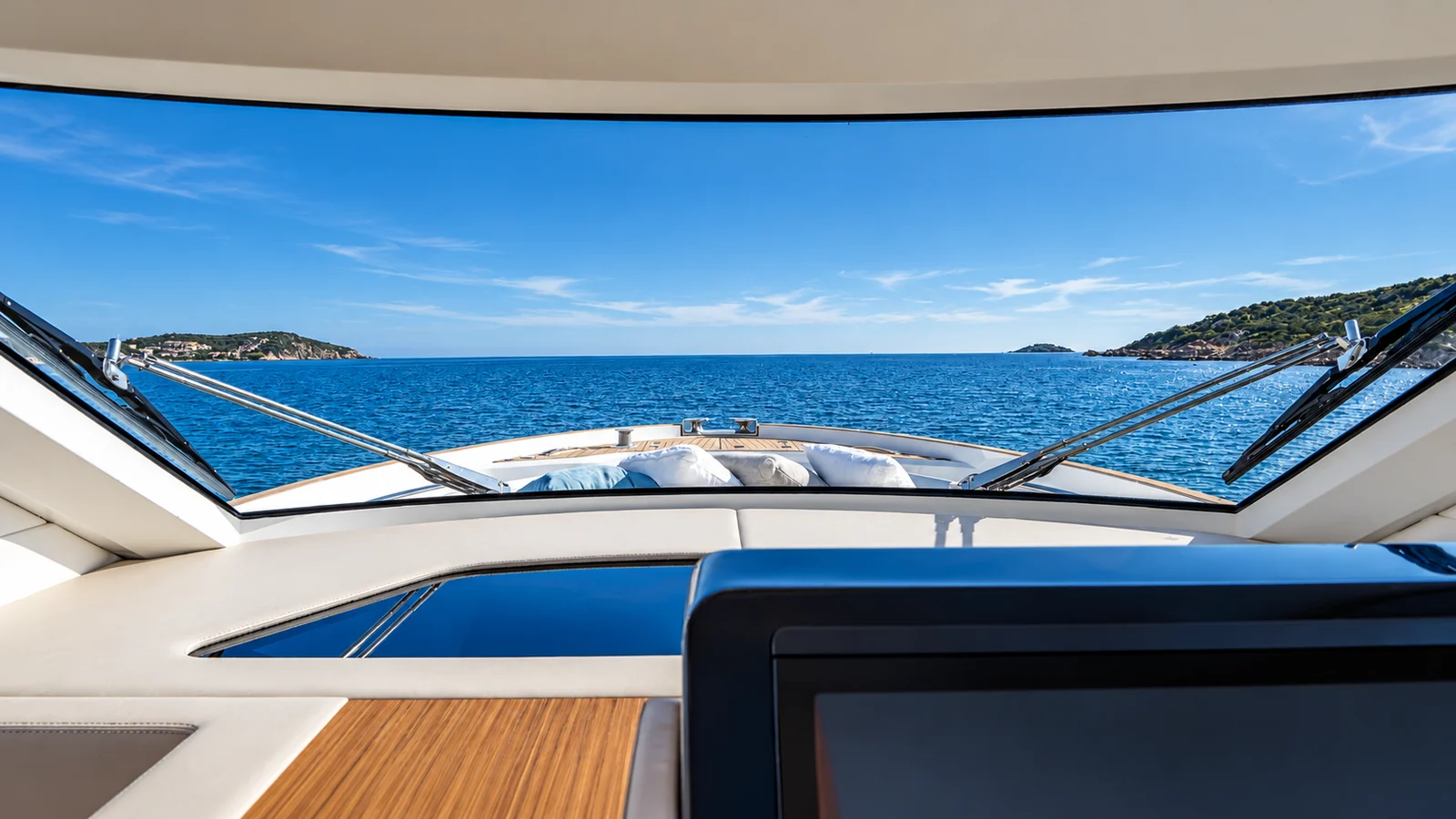
An example of a protected interior position
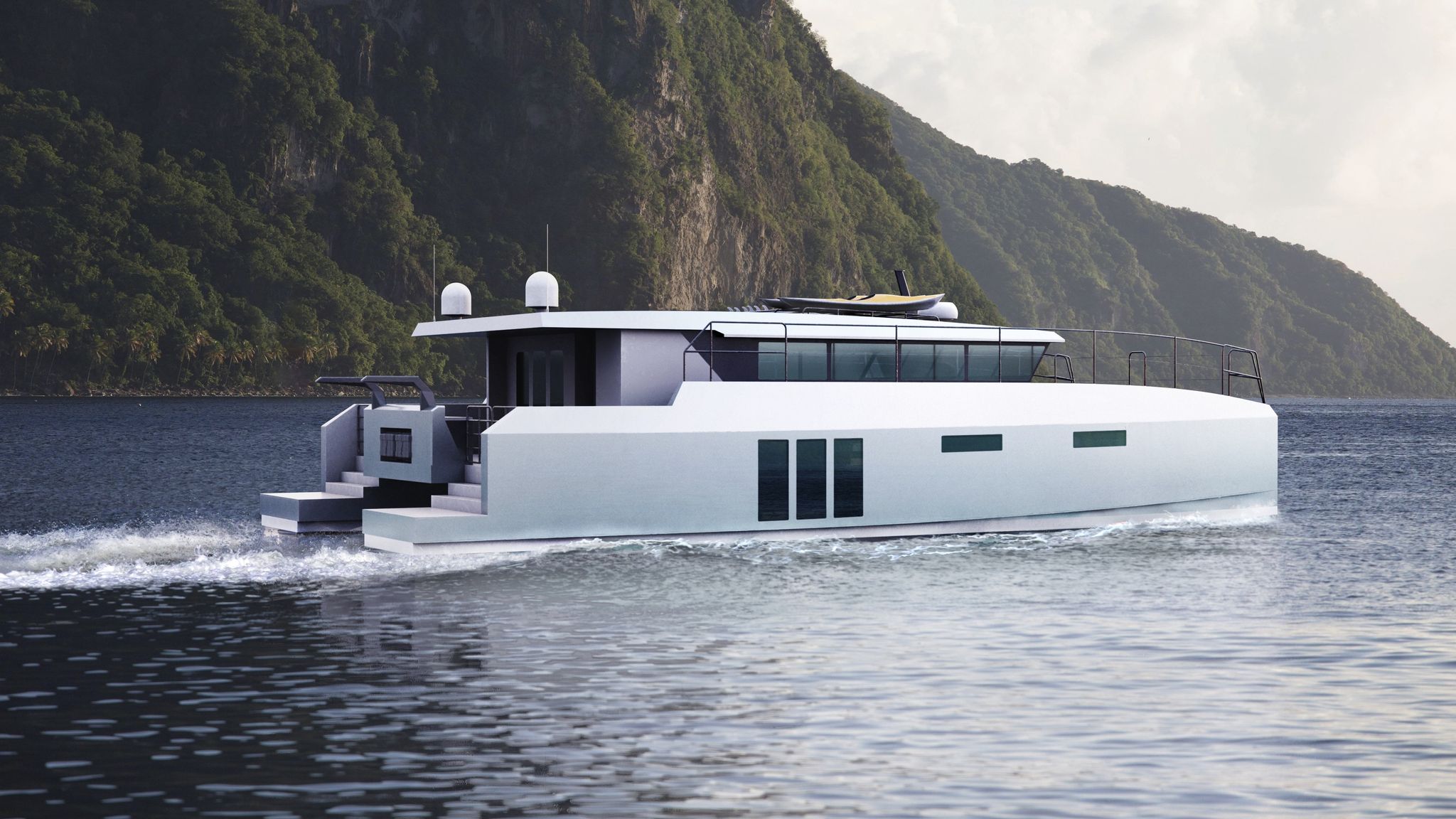
Catalogue example: the Archipelago A-52 Flying Bridge, listed at 15.8 metres, describes a protected interior helm as well as an upper station. It illustrates a yacht with more than one operating environment to investigate. The description does not establish the results of an after-dark visibility assessment.
For yachts with this kind of arrangement, the captain can explain which station is appropriate to the intended conditions and how familiarisation will cover the relevant controls and views. The purchase discussion should make the complete operating plan understandable.
Single-Handed Operation and climate suitability in the LYRA catalogue help frame an owner-involved search for a protected working position. Their usefulness is as selection criteria, followed by assessment of the actual vessel and operator requirements.
Include the demonstration in the purchase process
Before final decisions, record the relevant questions for the trial and technical review. The representative, skipper and other specialists can then address them at the appropriate stage. Any proposed changes to equipment or layout should be reflected in the confirmed specification.
Familiarisation should cover the system you will actually receive, with the right professional support for the planned use. Agree what is included and how further instruction can be arranged. This gives the owner a clear path from an attractive helm to a properly understood working environment.
An evening visit can make the next yacht feel more real. You see how it supports a different part of the day and understand the preparation behind the experience. That knowledge helps the purchase serve the full programme you look forward to enjoying.