An owner who enjoys diving may want to make a private yacht the base for a more personal programme. An invited instructor can bring specialist knowledge and support, while the yacht provides a familiar setting for the family and friends around the experience.
The important purchase question is how that specialist role fits the yacht's own operation. The vessel, its crew and the diving programme have connected responsibilities. Clarifying those connections helps the owner choose a yacht and an arrangement that can support the activity properly.
Diving and Recommended Crew are useful catalogue references for beginning this conversation. They identify an activity and an operating context. The detailed programme belongs to the appropriately qualified diving professional and the person responsible for the vessel.
Invite a defined professional role
“We will bring an instructor” is the beginning of a brief. The next discussion should describe what that person is expected to provide: instruction, supervision, equipment, planning or a particular combination agreed for the intended activity.
Those responsibilities need to match the professional's qualifications and applicable requirements. The operator of the yacht and the specialist should confirm the arrangement together, including the particular people, sites and equipment involved. The owner benefits from a clear explanation of the programme rather than having to infer it from a professional title.
This clarity also helps define the visit itself. Will the specialist join for a day or remain aboard? Do they arrive with equipment? Is another competent person needed for any part of the programme? These questions affect preparation, available space and accommodation without assuming that one invited person supplies every role.
Give the yacht and the activity their own responsibilities
The vessel continues to have an operator and an operating plan while a dive programme takes place. The specialist brings responsibilities connected to the activity. The two need a shared understanding of the sequence and of the decisions each person owns.
For the buyer, a practical question is who needs to speak to whom before the day. The captain or owner-operator should have the information required to assess the proposed use of the yacht. The instructor should have an accurate account of the vessel and the arrangements relevant to the diving work.
That exchange can reveal a missing piece early: a different equipment requirement, more suitable support or a change to how the guests will spend the day. It is part of organising a rewarding experience around a private yacht, rather than leaving several professionals to make separate assumptions.
An owner can ask for a simple explanation of this arrangement without being drawn into specialist operating procedures. The purpose is to know that each professional has the information and authority appropriate to their work.
Make room for the specialist's actual equipment
Equipment should arrive as a known list. Its dimensions, handling and proposed storage need to be discussed against the exact yacht. A broad activity label cannot establish the compatibility of a particular setup.
The specialists can identify where equipment will be prepared and secured, how their working space relates to the rest of the yacht and which arrangements require technical confirmation. The buyer can then explore whether the yacht supports that programme naturally or needs a different configuration.
Consider the visit from the instructor's perspective too. Where can personal belongings be left? Is there somewhere suitable to change? If the programme extends over more than a day, what accommodation has actually been agreed? Hospitality becomes easier when the professional is expected as a real person with a defined place aboard.
Keep the non-diving guests in the picture
Some members of the company may spend the activity period aboard. Their afternoon deserves a comfortable plan of its own. The owner should consider where they can sit, how they reach ordinary facilities and how the specialist's working area relates to the shared space.
This is where a yacht can become a particularly personal base. Divers return to a setting they know, while companions have enjoyed their own time on the water. The broader discussion of activity experiences aboard explores how the spaces support that shared day. An invited professional also needs an understood working relationship with the yacht's operator and household.
Examples that open the specialist conversation
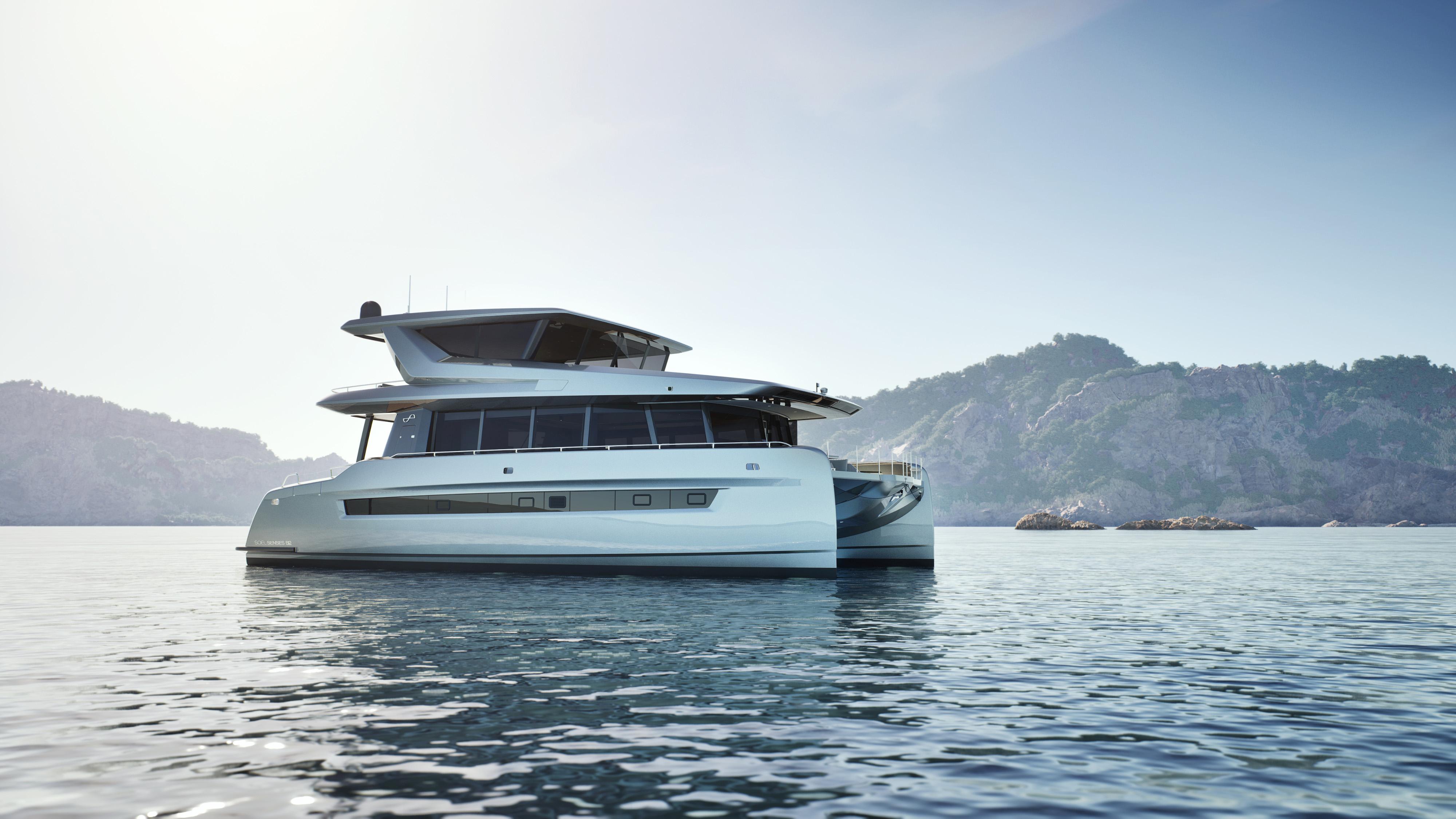
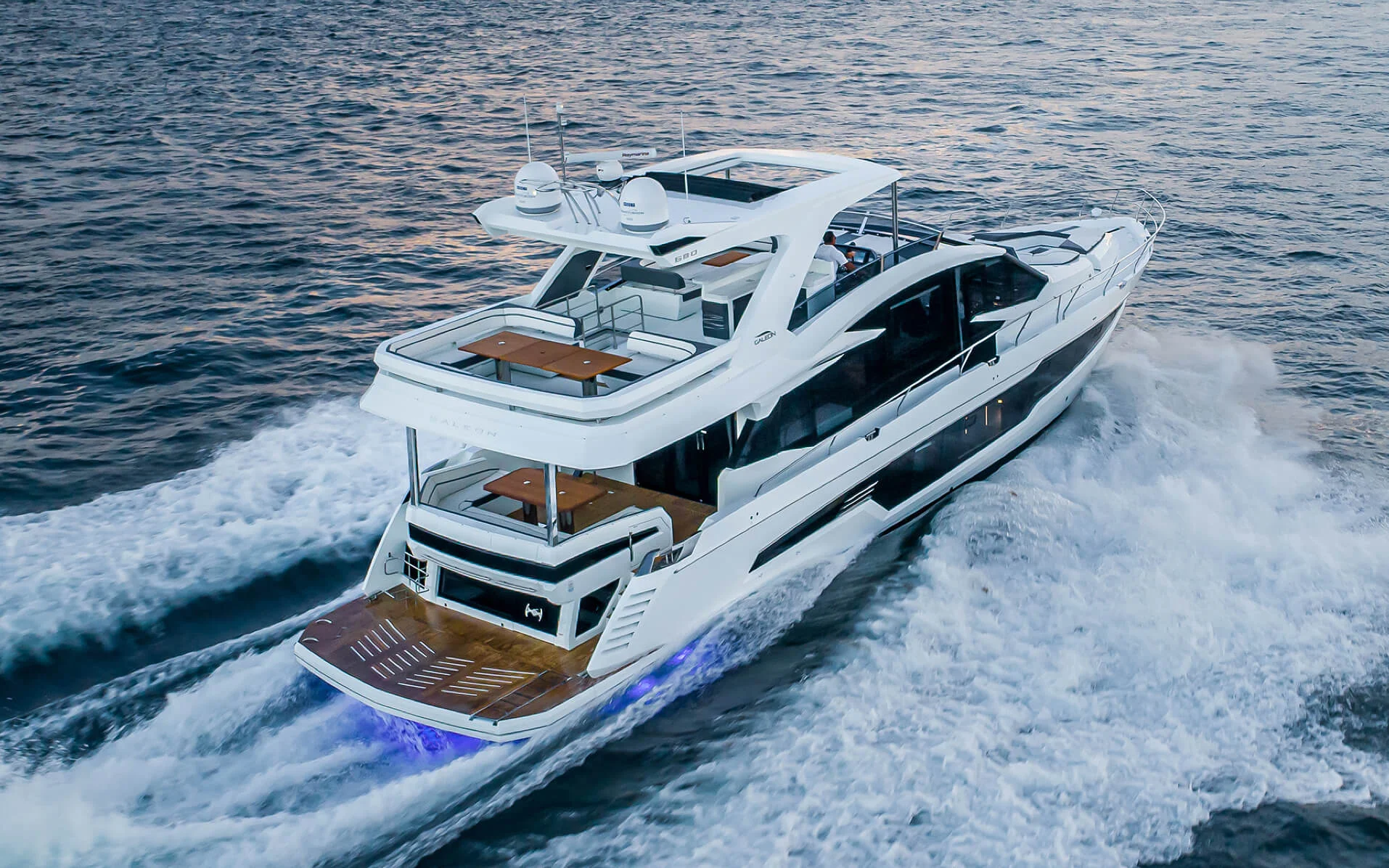
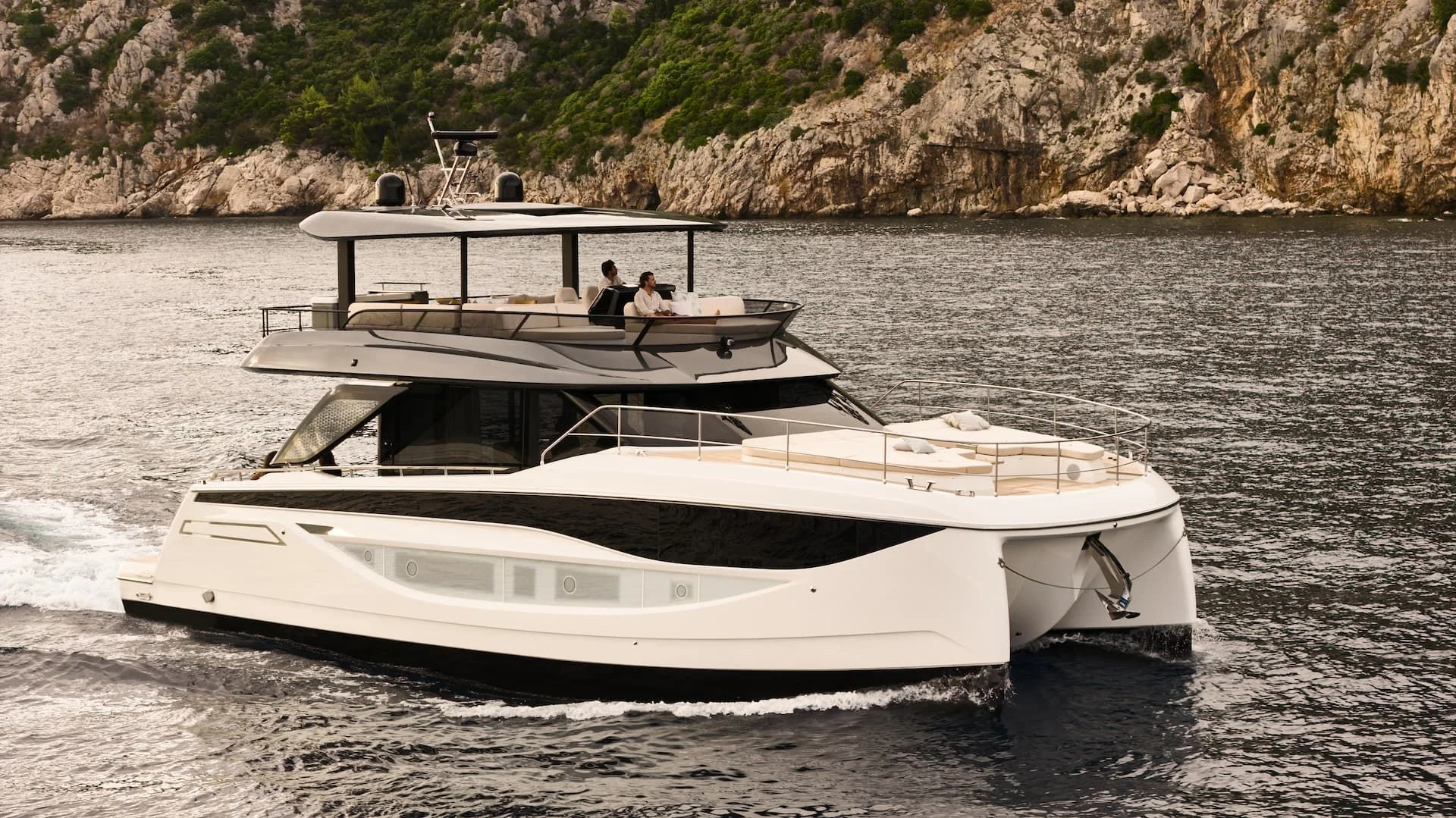
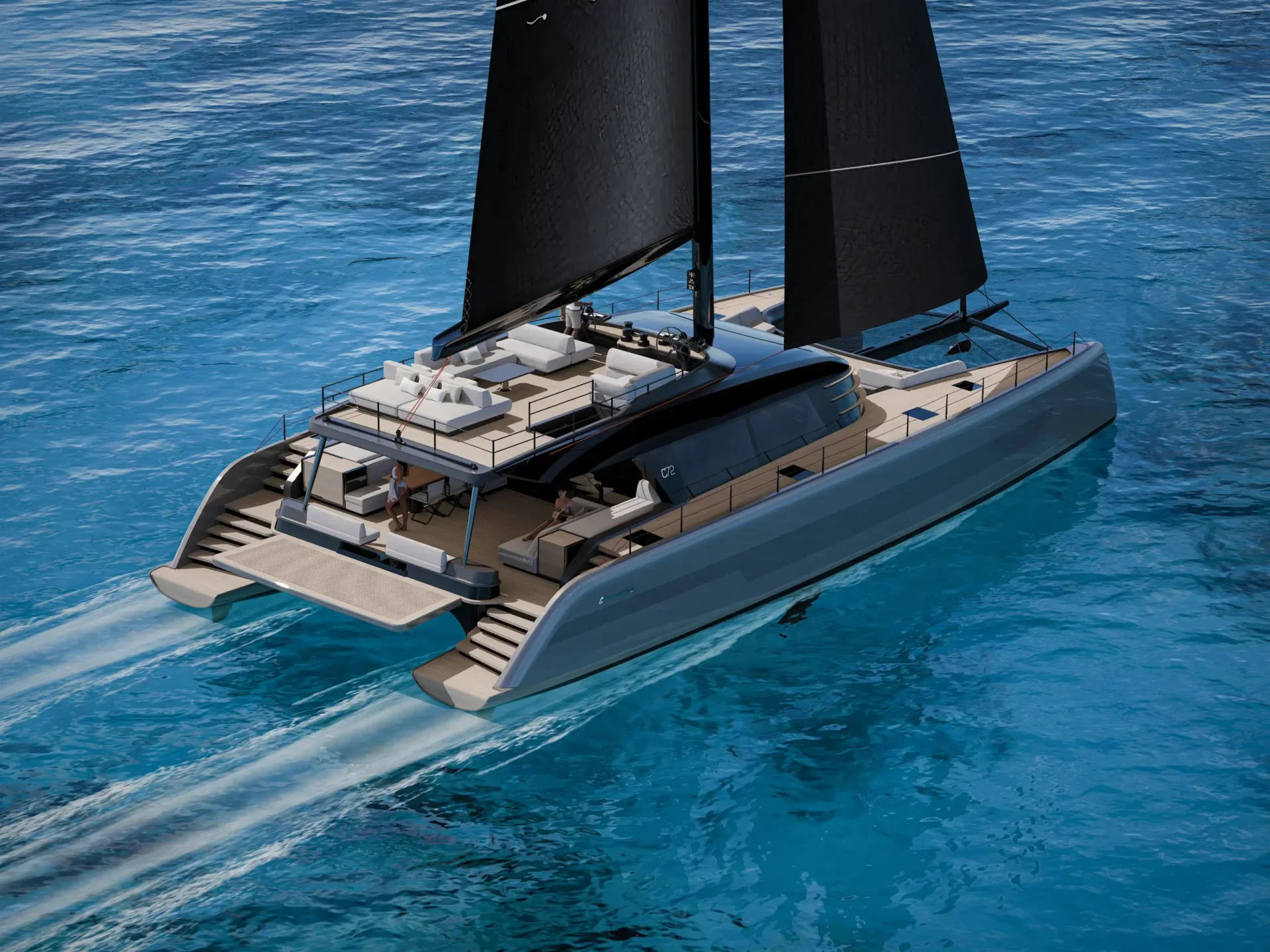
The Advanced AC72 and Fountaine Pajot FPY 70s are examples whose catalogue records include Diving. Both are listed as sailing yachts at 22 metres, each with a Recommended Crew value of one.
These entries show a segment in which the owner can begin investigating the activity. A real programme still requires the exact equipment, spaces and professional roles to be confirmed. Yachts carrying a similar activity label can support quite different arrangements once those details are examined.
The displayed crew figure should lead to a separate discussion of the instructor's assignment. Establish with the responsible professionals how that visiting role relates to the vessel's operating team and the activity being commissioned. The catalogue number introduces the boat's staffing context; the agreed programme identifies the people who will actually provide each function.
Leave the owner free to enjoy the purpose
The most useful outcome is a programme everyone can describe consistently. The vessel's operator understands the proposed use, the instructor has assessed their own assignment and the owner knows how guests and specialist work fit together.
With those foundations, the yacht can become a familiar doorway to a favourite activity. The pleasure lies in returning to it after an absorbing experience below the surface, with the people and spaces around the programme thoughtfully arranged.