On a familiar coastal holiday, evening often brings a change of pace. The yacht reaches a port, the day's movement ends and the people aboard settle into dinner or a walk ashore. A passage that continues through the night has another rhythm. While some people rest, the vessel remains an active workplace.
For an owner preparing to extend their travels, this can be an exciting next chapter. It deserves a yacht brief that includes the human side of continuous operation. Extended-passage suitability and Recommended Crew are two relevant catalogue references, with the actual voyage assessed by the responsible captain and appropriate specialists.
The destination stays attractive; the day changes shape
The first difference is continuity. Arrival at an overnight port usually creates a natural boundary between one day's travelling and the next. Without that stop, the navigation, machinery, communication and ordinary care of people continue while the household aboard moves towards sleep.
A buyer can explore this change before choosing a particular yacht. Describe the intended journey, the people travelling and the owner's preferred level of involvement. Then ask the professional responsible for the voyage to explain the operating arrangement the programme would require.
That conversation should establish the competence, coverage and rest appropriate to the exact vessel and applicable requirements. A catalogue crew figure cannot settle those matters. Its job is to bring the operating scale into the search so the owner can investigate it properly.
Give the people working a real place to rest
Accommodation takes on another meaning when the yacht is moving continuously. It needs to serve the people on duty and the people recovering between duties. The working and resting parts of the vessel should be considered together.
Look at where the relevant accommodation sits in relation to the helm, machinery spaces and busy shared areas. Someone finishing a period of work needs a practical route to their resting place. People already asleep benefit from the ordinary life of the yacht being organised around them thoughtfully.
Understand which rooms remain available for rest throughout the intended arrangement. If a space has another function during the day, the captain should assess how that use relates to the proposed working programme. The layout then becomes more informative than a total berth count: it shows where the people in the actual team can rest while the yacht and household continue their different activities.
The buyer does not need to design a watch system. They do need to understand whether the professional's proposed arrangement has a credible physical home aboard the candidate yacht. The captain can identify which spaces and equipment need closer examination and which questions call for additional technical assessment.
This is particularly useful when a yacht has been admired mainly for daytime hospitality. A lovely saloon and generous guest cabins should be read alongside the spaces that support continued operation.
Keep the guest experience simple after dark
Guests may be new to sleeping while the yacht is under way. A clear introduction from the operator helps them understand their place in the evening and the arrangements relevant to them. The owner can support that introduction by explaining the group's habits and expectations in advance.
Think about ordinary activities: finding a bathroom, collecting an extra layer, getting a drink or deciding to rest earlier than others. The route through the yacht becomes easier to assess when those actions are placed in the plan.
Some guests may enjoy watching part of the passage from an appropriate place agreed with the operator. Others may want a quiet evening and an early night. A good accommodation and operating arrangement gives these preferences a realistic place without treating leisure passengers as assumed working cover.
Food deserves similar attention. A simple plan for the evening and morning can make life comfortable for guests and the people working. The exact timing and service should fit the captain's operating programme rather than compete with it.

Two examples of the catalogue's operating scale
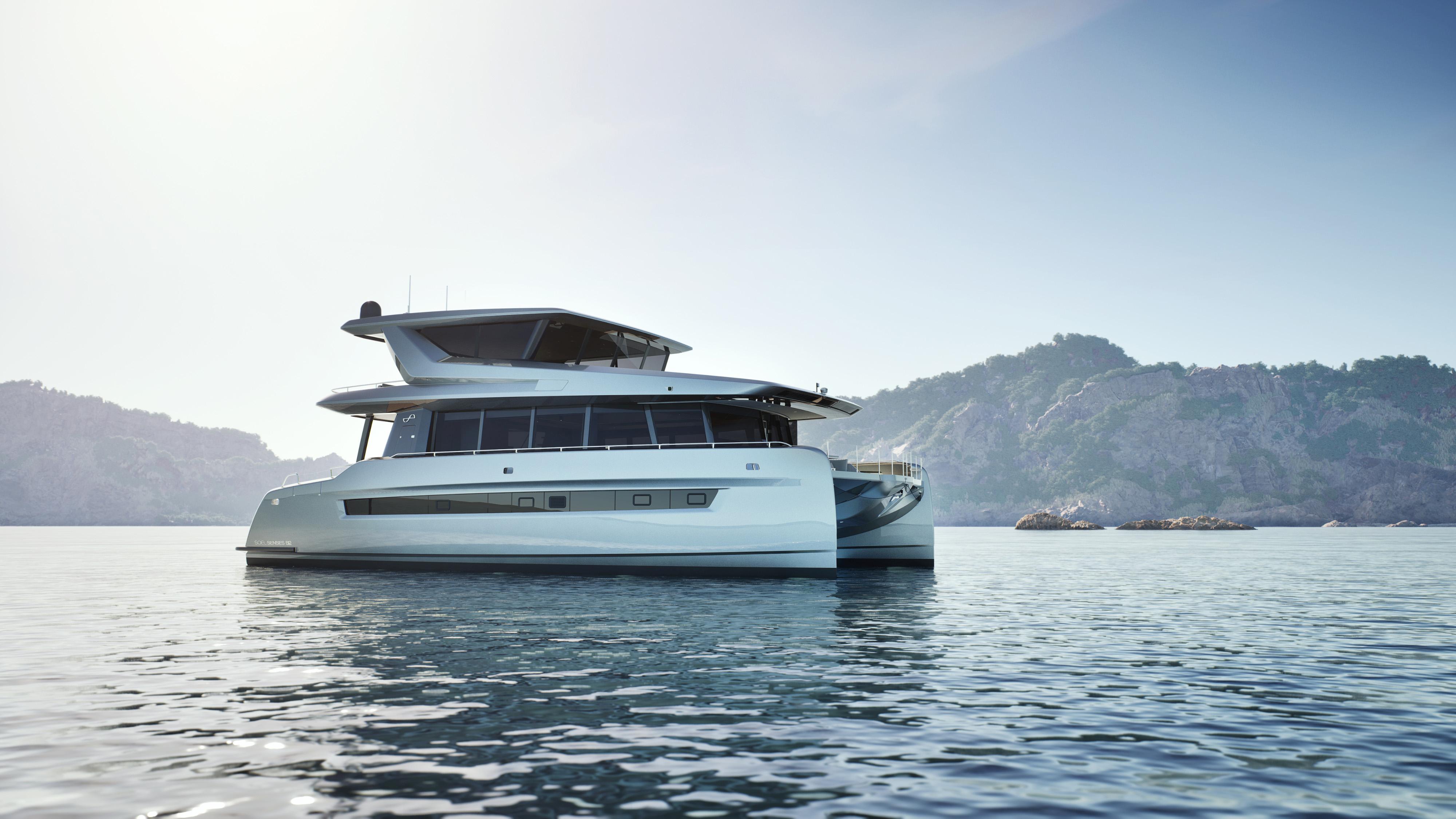
The motor Soel Senses 82, listed at 25 metres, and sailing Lagoon Eighty 2, listed at 24.97 metres, are examples whose records include extended-sea-travel information. Each displays a Recommended Crew value of two.
The examples illustrate how similar size and crew figures can appear across different yacht categories. They invite a closer conversation about accommodation, installed systems and the actual programme. That displayed number describes a catalogue indicator, while the professional operating plan must establish the people and arrangements for a specific continuous passage.
Across yachts in the relevant segment, the comparison should therefore preserve the same proposed journey. The existing guide to crew requirements and the owner's role provides background for that discussion.
Let preparation protect the sense of adventure
The LYRA catalogue can introduce yachts suited to a broader travel ambition. The owner's next step is to connect that ambition with a specific vessel and a professionally assessed arrangement for the people aboard.
The result should feel understandable. The owner knows who is responsible, where people work and rest, and which features of the yacht support the programme. With those questions addressed, the first night without a port call can belong to the journey itself: a new stretch of water, a different pace and the pleasure of travelling further in a yacht chosen for that life.