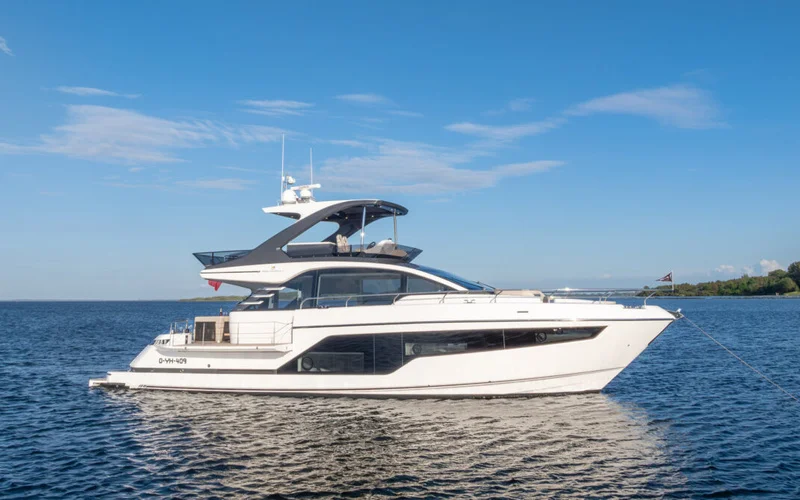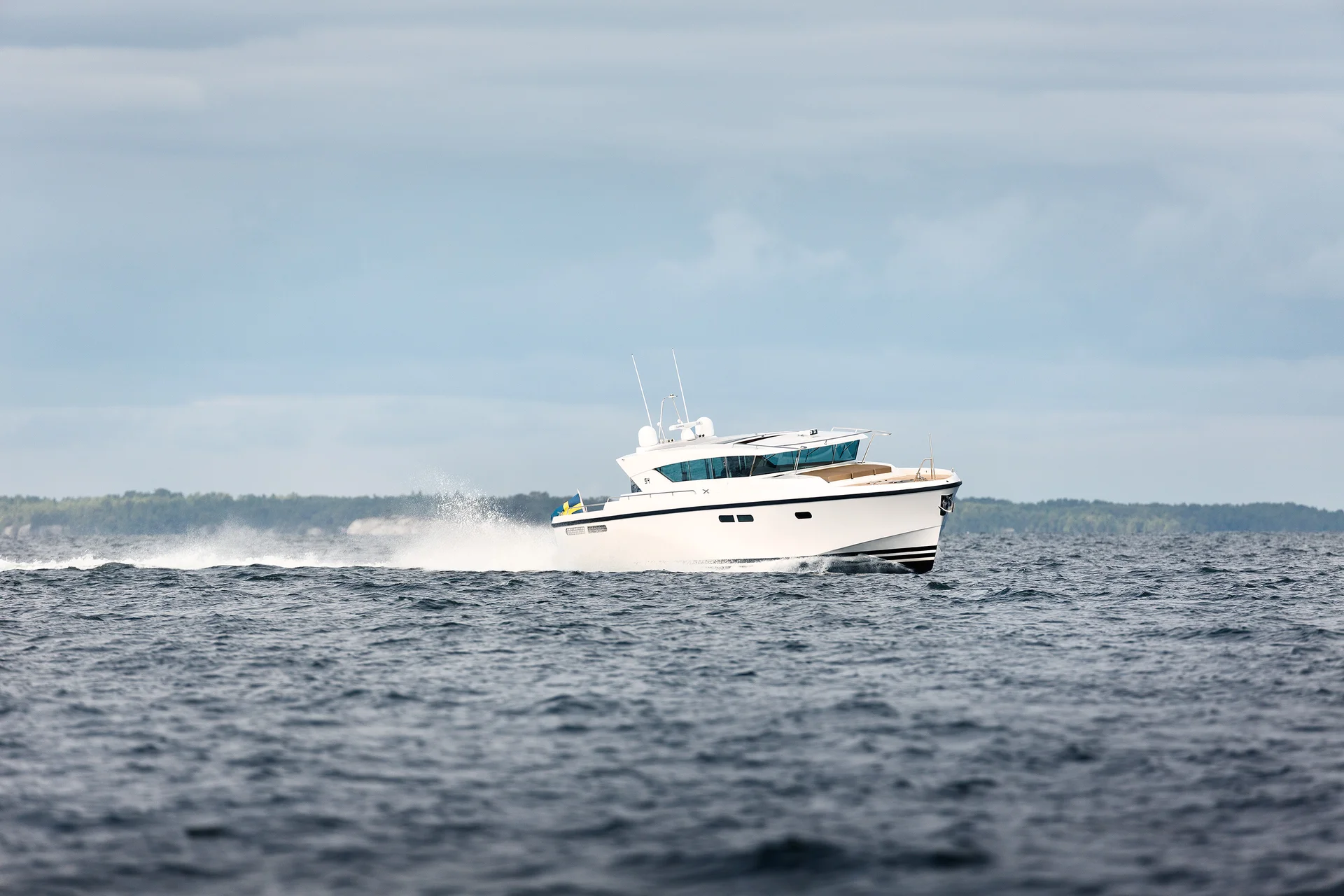
The most enjoyable way to picture a first-yacht budget is to look ahead to the season it will make possible. The yacht has arrived, the family knows its way aboard and the owner has already begun collecting favourite days on the water. That picture gives a financial conversation a concrete purpose.
A price range establishes the acquisition frame. An ownership-cost indication opens the discussion about supporting the yacht. For a first purchase, those references become most useful when connected to the work and timing needed to reach the end of the intended first season.
Give the season a beginning and an end
An owner buying early in the year may have a different opening programme from someone taking delivery shortly before a long holiday. Preparation, familiarisation and time actually spent aboard will fall into different parts of the calendar.
Describe the season in ordinary terms. Where will the yacht be based? How often does the owner expect to use it? Who will operate it, and what help is wanted between visits? A few specific answers make quotes and estimates much easier to interpret.
This is also the moment to define what “ready” means for the purchase. The desired equipment, transport or delivery arrangements, commissioning and introduction to the yacht should be understood in the relevant proposal. Transaction-specific tax and legal questions belong with the appropriate advisers for the actual purchase.
The owner can then see a coherent route from choosing the yacht to enjoying it, with the important financial dependencies visible along the way.
Separate the yacht from the work of starting ownership
The quoted yacht price describes a particular offer. Starting ownership may also involve services and arrangements that need their own quotes: the home berth, initial preparation, chosen equipment and the help required for the first outings.
Some items may already be included. Others may be optional or supplied by a different party. The useful discipline is to establish the scope once and keep it consistent between candidates. An apparently complete proposal and a shorter starting-price presentation may simply draw their boundaries differently.
For the buyer, a clear scope protects enthusiasm. It makes it easier to understand what the next commitment achieves and which part of the first-season experience it supports. The conversation can remain focused on a yacht the owner wants, with the accompanying services described plainly.
Put the ownership estimate on the right timescale
Annual ownership figures and first-season spending answer different questions. An annual indication can help compare broad operating scale. The opening season may contain preparation and one-off work whose timing differs from an established year of use.
The annual ownership-cost reference uses a five-year average. Its role is to describe a modelled annual scale. A first-season cash schedule follows the actual commitments and their dates, so the team needs to relate the catalogue indication to the operating plan and obtain current, appropriately scoped quotes for the proposed services.
Keep recurring services distinguishable from initial purchases or improvements. A berth arrangement, a specialist visit and a new item of equipment can all support the same season while belonging to different kinds of expenditure. Understanding their timing helps the owner see when decisions and payments are likely to arise.
A berth offer covering a stated period gives this distinction a practical form. Its service dates may extend beyond the holiday the owner first has in mind. The provider should identify that period and the applicable payment terms, allowing the adviser preparing the budget to keep contractual commitments and personal use visible separately. The first-season picture can then reflect the actual offer being considered.
The existing guide to purchase and annual ownership budgets provides the broader framework. The first-season view adds a calendar and a defined point at which the yacht is ready to use.
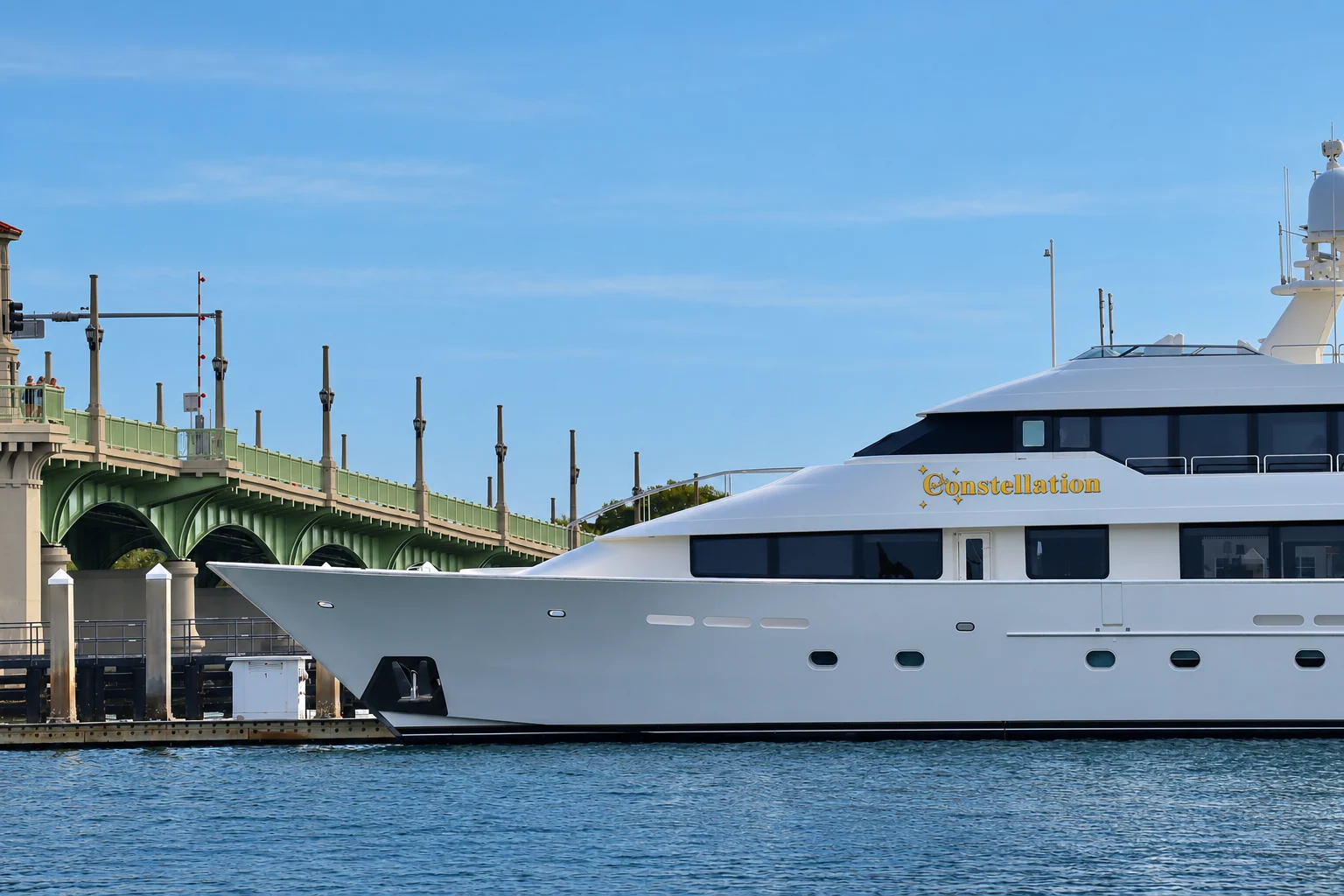
Catalogue examples of different acquisition figures
In the catalogue snapshot captured on 24 October 2026, the Delta 54 IPS is listed at 18.10 metres and €2 million. The Cayman S600, listed at 17.88 metres, shows €1.35 million in that same dated record.
Those examples demonstrate why a size band can contain materially different acquisition figures. They are starting references, to be checked against current offers and their inclusions. They say little on their own about the cost of preparing either exact yacht for a particular owner's first season.
Across yachts of comparable scale, the buyer can ask each proposal to support the same intended outcome. The comparison becomes clearer when acquisition, initial readiness and the chosen operating arrangement are visible separately.
Finish with a season the owner can recognise
A useful budget lets the owner follow the story of the purchase. It shows the yacht being acquired, the preparations that make it personal and the services that keep it available for the planned days aboard.
Some amounts will begin as estimates. Give those figures an owner, a scope and an occasion for confirmation as the purchase progresses. The purpose is a usable financial picture that becomes more precise when the relevant evidence arrives.
The LYRA catalogue offers a market frame. A first-season plan connects it to the owner's actual beginning in yachting. When the money, timing and desired experience tell the same story, the purchase can lead smoothly into the part that matters most: using the yacht and enjoying the life it opens.