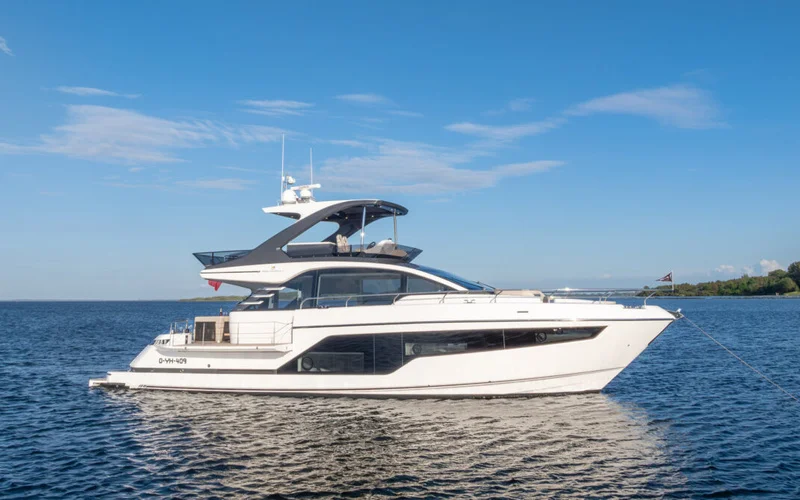
The yacht may look exactly as it did last month. Yet a display has been replaced, a control updated or a piece of machinery changed. For the people who know the vessel well, that familiarity can make the new installation easy to underestimate.
An owner benefits when the technical change and the team's understanding move together. A useful handover explains what is now installed, what the change affects and how the responsible people have been introduced to it. The equipment can then become an improvement the owner enjoys with confidence.
Recommended Crew introduces the yacht's operating context. For a change involving propulsion equipment, engine-configuration information gives a broad description of the arrangement. The particular replacement, interfaces and versions need to be identified through the vessel's current technical records and the professionals responsible for the work.
Start with a precise account of the change
“New electronics fitted” leaves too much to interpretation. The operator needs to know the equipment identity, relevant version and the parts of the yacht affected. An update to an interface can matter differently from the replacement of a complete system.
The installer or appropriate technical professional should explain the scope in terms the operating team can use. What remains familiar? Which functions, indications or connections require new attention? Which documents now apply to the installation?
For the owner, a concise account of the change, the responsible professionals and the completion evidence makes the project understandable. It connects the equipment identity with its particular installation aboard this yacht and the intended improvement in use.
Follow the change to the people it affects
Different members of a team encounter equipment through different tasks. The captain may use a control at departure, an engineer may maintain the associated machinery and another crew member may recognise an indication during ordinary checks.
The familiarisation should reflect those real responsibilities. The person operating the yacht needs the knowledge relevant to operation. The person responsible for maintenance needs the applicable service information. Other crew may need a proportionate introduction to the parts of their work that have changed.
The professional conducting the handover can identify who needs further instruction, practical familiarisation or access to specific documentation. The record should show the introduction relevant to each person's role and any questions still to be addressed.
Any effect on procedures or safety arrangements requires the judgement of the responsible operator and relevant specialists. The owner should understand whether the change has been carried through to the people and records that depend on it.
Include crew who were away when the work took place. The person coordinating the handover should identify how they will receive the introduction appropriate to their responsibilities before the relevant use. A colleague's recollection can help locate a question, while the explanation of the changed system belongs with the applicable records and qualified people. This keeps the knowledge connected to the actual installation as the team resumes its ordinary work.
Let the installed system demonstrate the result
A demonstration should concern the equipment as fitted aboard. Connections, settings and interfaces can differ from a standalone display or a similar installation elsewhere. The responsible professionals should establish the appropriate commissioning and acceptance evidence for the actual work.
Familiarisation can then use that completed installation as its reference. A person should know where the current information is held, who can answer an unresolved question and which part of their ordinary task has changed.
If work remains open, its effect should be explained in the yacht's operating record. A new component can be physically present while a test, document or part of the handover is still outstanding. Keeping those states distinct gives the owner a clear account of readiness.
The wider article on hiring and verifying crew covers bringing a person into an operating relationship. An equipment change needs a narrower update within that relationship, focused on the difference from the previously familiar yacht.

Put the new knowledge where the next person can find it
Update the equipment record with the identity and version that actually apply. Relevant manuals, installer information, test records and service contacts should remain usable by the people authorised to operate and maintain the system.
It helps to retain a clear history of what was replaced. A later technician should be able to distinguish a superseded arrangement from the current one. The same applies to photographs or diagrams used in an onboard guide: they need to show the equipment the crew will now encounter.
Keep the scope of each revised document identifiable. Some information may apply to the new component, while other records still describe unchanged equipment. The responsible technical team can explain that relationship and identify the current set. This gives a later reader a more precise starting point than treating every file associated with the project as a guide to the whole yacht.
The maintenance-calendar guide explains how equipment identity and source instructions support continuing care. After a change, the applicable work and records should be reconciled with that calendar too.
Keep the owner-facing outcome simple
For the owner, a completed change should have a straightforward explanation. The intended benefit is understood, the installation has been appropriately checked and the responsible people know what they need for their work. Any remaining question has a named person and a clear next step.
This is a practical part of looking after a yacht over time. Familiarisation gives new equipment a proper place in the vessel's operating life. It also preserves what owners value about a well-supported yacht: improvements become useful, the team stays informed and the next outing can be enjoyed without reopening the whole technical project.