An owner has spent a season learning alongside a skipper and wants to choose between two yachts marked Single-Handed Operation in LYRA's catalogue. Both could be enjoyable to handle. The comparison turns on moments when two tasks compete for the same person. A control layout may be elegant until the owner needs to see the stern while reaching a line, or monitor a guest while moving away from the helm. Those bottlenecks distinguish owner-operated yachts more clearly than an abstract claim that both can be handled alone.
Give the candidates the same home berth and operator. Then identify three task collisions that would matter there. This is an assessment of layout and operating method on exact yachts, not a general verdict about a model or the owner's ability. A qualified skipper should define safe conditions and supervise any practical trial.
Locate the moments when one pair of hands is asked for twice
The first collision may be at the berth: control the yacht's movement while handling a line. On one layout, the working deck could be within sight of the helm and reachable in a few steps. On another, a door, corner or height change could interrupt that connection. Neither result can be read reliably from LOA. The relevant observations are where the owner stands, what remains visible and whether the yacht can be kept under proper control through the handover.
A second collision may arise at anchor. The owner may need to attend to the anchor while watching surrounding traffic and the guests moving towards the water. Some arrangements keep the relevant controls and views close together; others distribute them across stations. The buyer should distinguish a normal sequence from a moment that would require another trained person. The latter may be entirely acceptable when the owner plans to invite that person, but it should be part of the decision.
A third collision could occur on return, when the owner is communicating with the marina, watching neighbouring vessels and preparing to secure the boat. Equipment can help, yet a joystick, thruster or remote should be evaluated as installed and practised on the offered yacht. A brochure list of aids does not show whether the owner can use them while remaining aware of the whole manoeuvre.
Use the same observation sheet on both yachts
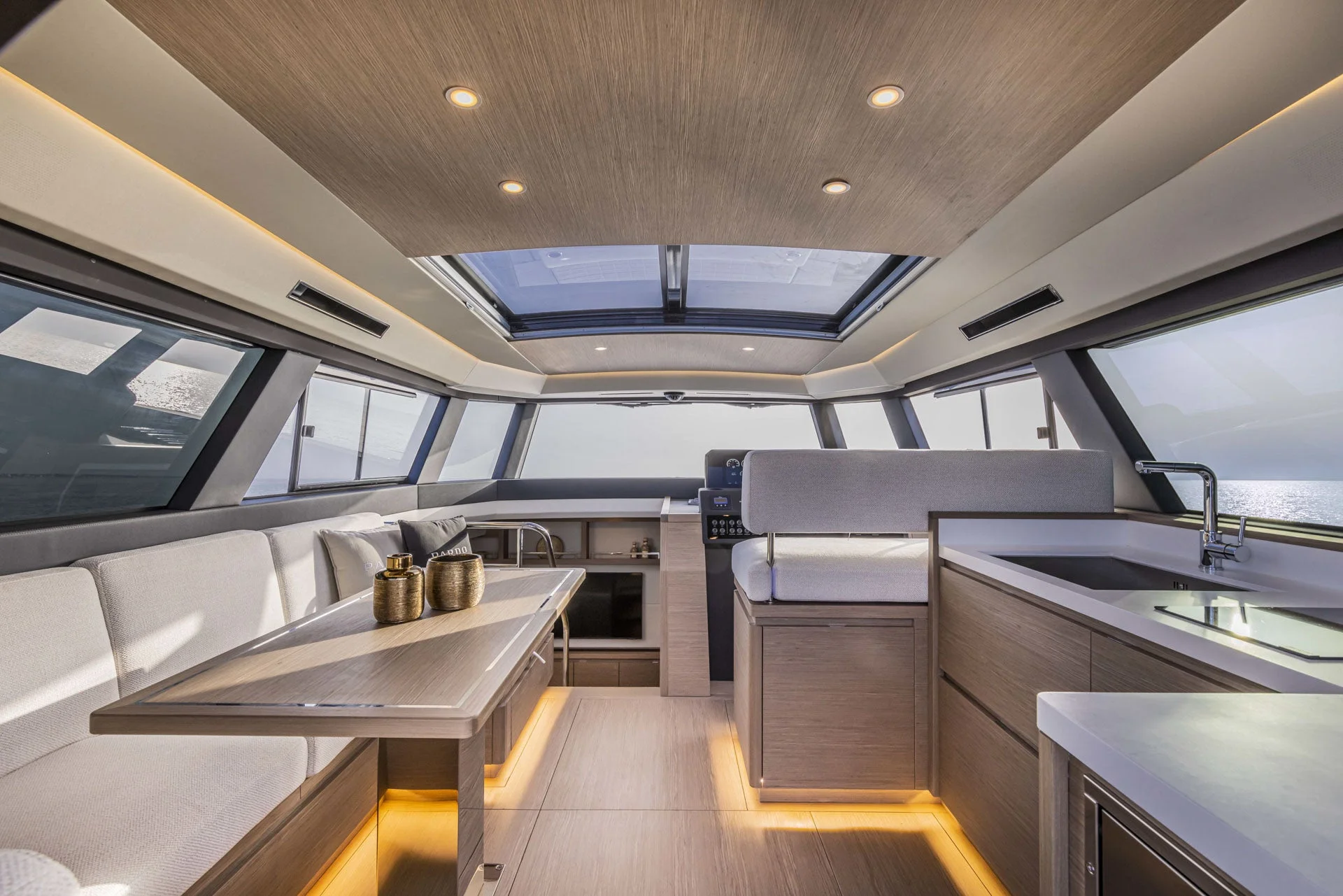
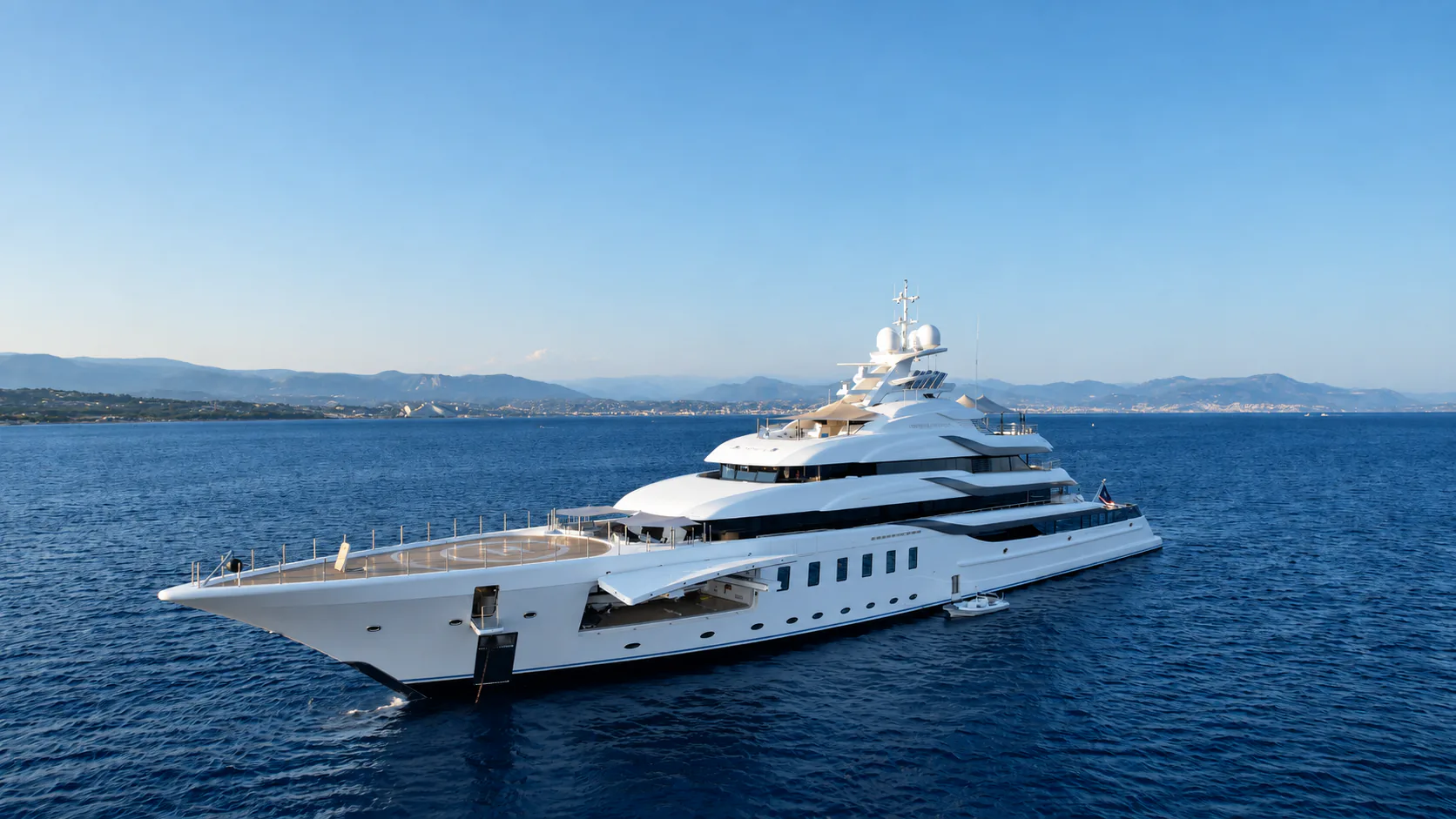
The EVO Yachts R4 and Sessa Marine C47 are examples of LYRA pages carrying the Single-Handed Operation field. They illustrate the range of deck and enclosure concepts that can sit behind the same label. They are not proposed finalists; the actual test must be made on available yachts in the owner's chosen segment.
For each collision, record four observations: the two simultaneous tasks, the owner's required positions, the equipment actually fitted, and the agreed response if the first attempt is interrupted. The sheet should describe what was demonstrated, what remains a claim and what needs a second trial. A blank entry is more honest than a favourable score inferred from a model page. It also gives the skipper a clear agenda for the next viewing.
Compare the handover itself. Does the operator retain a line of sight while changing station? Is a control reachable at the point where the task occurs? Does a companion have a safe and simple role if the owner elects to involve them? These questions produce yacht-specific answers. They avoid the misleading notion that “single-handed” means every operation is equally easy, or that assistance somehow reduces the owner's independence.
Decide which operating pattern the owner will enjoy
The completed sheet should show where each yacht gives the owner a calm, continuous role and where it asks for more preparation, training or help. One candidate may make marina manoeuvres especially intuitive; another may feel more natural at anchor. The owner can weight those differences according to the voyages they expect to make, rather than declare one universal winner.
LYRA's selection philosophy connects yacht choice to the life aboard. For an owner developing their skills, the best comparison reveals the moments that will build confidence and the moments that need an operating plan. The seller can confirm the exact equipment, the skipper can test the manoeuvres, and the insurer can clarify applicable conditions before the owner treats the Single-Handed Operation signal as a purchase conclusion.