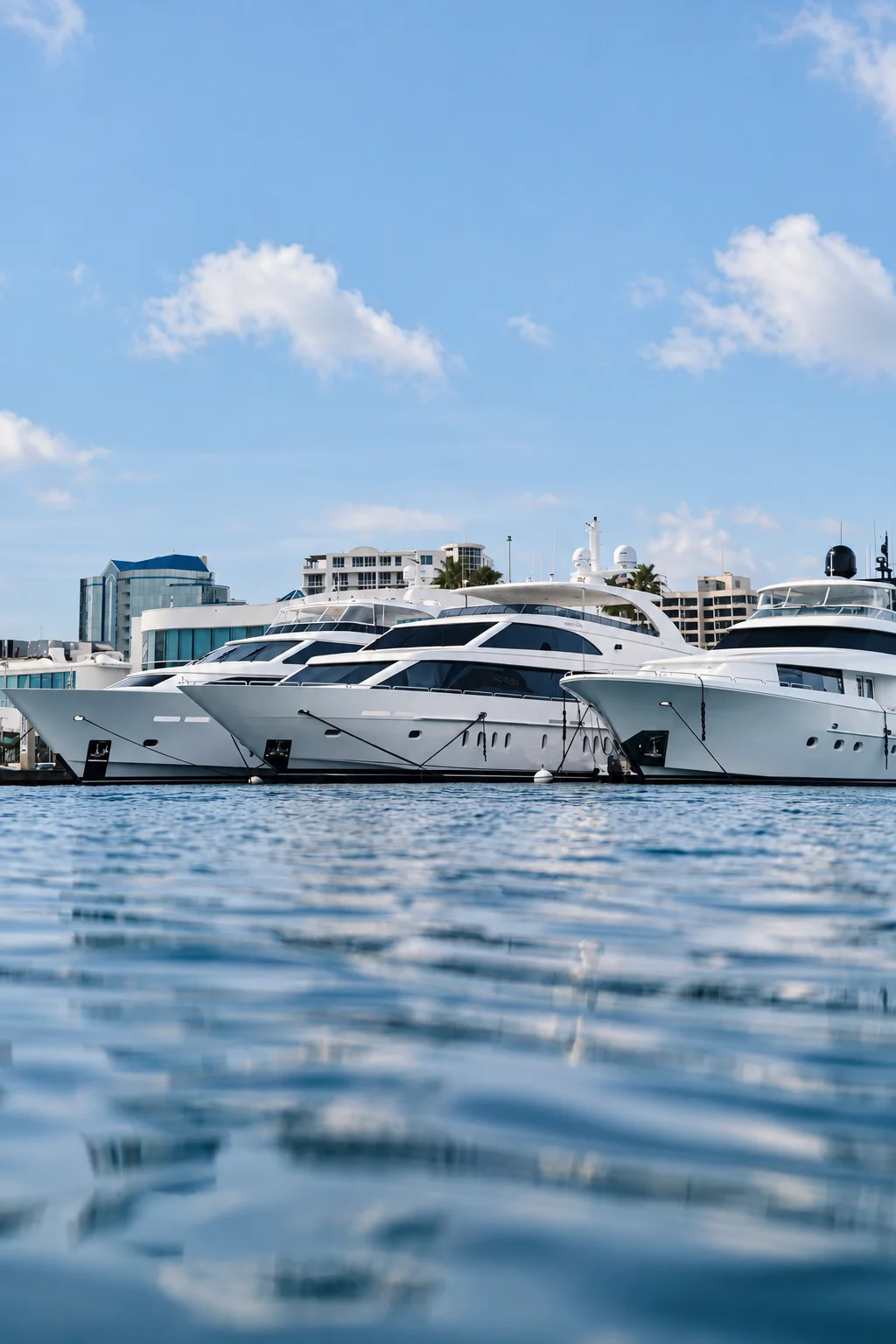
An owner wants to keep a yacht in southern waters and use it well beyond the busiest summer weeks. April lunches, August anchorages and November weekends all belong to the same ownership plan. This is when climate suitability should help shape the first shortlist. A yacht chosen only for one perfect afternoon may be less inviting during the months that could make ownership feel truly expansive.
LYRA's catalogue offers a Southern Areas suitability signal. Pair it with a calendar: home port, months aboard, length of stay and the conditions the owner expects to meet. The field brings relevant yacht records into view; the calendar gives each record a question to answer. The exact specification then shows which spaces remain comfortable as light, wind and temperature change.
Let the season determine the opening search
Imagine an owner who spends a month aboard in spring, returns for several summer weeks and continues with spontaneous autumn outings. Summer calls for useful shade and a pleasant path between sea and cockpit. Spring and autumn may give more value to a protected dining area, doors that can close without cutting people off from the view, and a cabin that is comfortable when the evening cools. A yacht with one spectacular open deck may still suit this life, but its owner should understand how the other months will be lived.
This is a reason to let climate lead the search, not to turn it into a list of gadgets. At the first stage, the buyer can ask whether the yacht offers a convincing transition between outside and inside for the intended season. The follow-up questions about cooling, heating, glazing and electrical capacity belong to the exact configuration and a qualified technical review. The Southern Areas tag itself is a discovery field, not a measured guarantee for every month.
The Pardo Yachts E72 and Wauquiez Pilot Saloon 58 are examples of LYRA pages carrying Southern Areas. They represent very different ways of spending time afloat, which is precisely why the owner must define the season before comparing models. They are examples only. The shortlist should be drawn from the yacht type, size and operating programme the buyer actually wants.
Give each month a use case
For spring, picture breakfast at anchor followed by a breezy passage. Where do guests sit while underway, and can they remain connected to the view? For peak summer, picture a long lunch and the hottest part of the afternoon. Is there adequate shade where people want to gather, and does the interior offer a pleasant alternative? For autumn, picture an evening after sunset. Can the social space adapt without forcing everyone below?
This exercise identifies the spaces that carry most of the owner's season. A family that mostly swims on short August outings will weight the deck differently from an owner who works aboard during quieter months. Both can make an excellent purchase; they need different evidence from the viewing. The yacht should be judged by the months the buyer intends to enjoy, rather than by a general idea of the Mediterranean.
Verify the calendar on the exact yacht
Ask for the current shade plan, glazing and ventilation details, HVAC zones and electrical specification. Walk through the principal spaces in conditions that reveal something about their comfort. If a feature is optional, record whether the offered yacht has it. A seller's current specification and a qualified technical assessment matter more than a climate label when the purchase decision becomes specific.
LYRA's selection philosophy begins with the owner's desired life. A climate-led shortlist gives that life more months in which to happen. It helps the buyer choose a yacht whose spring, summer and autumn feel like chapters of one coherent ownership experience, each worth returning for.