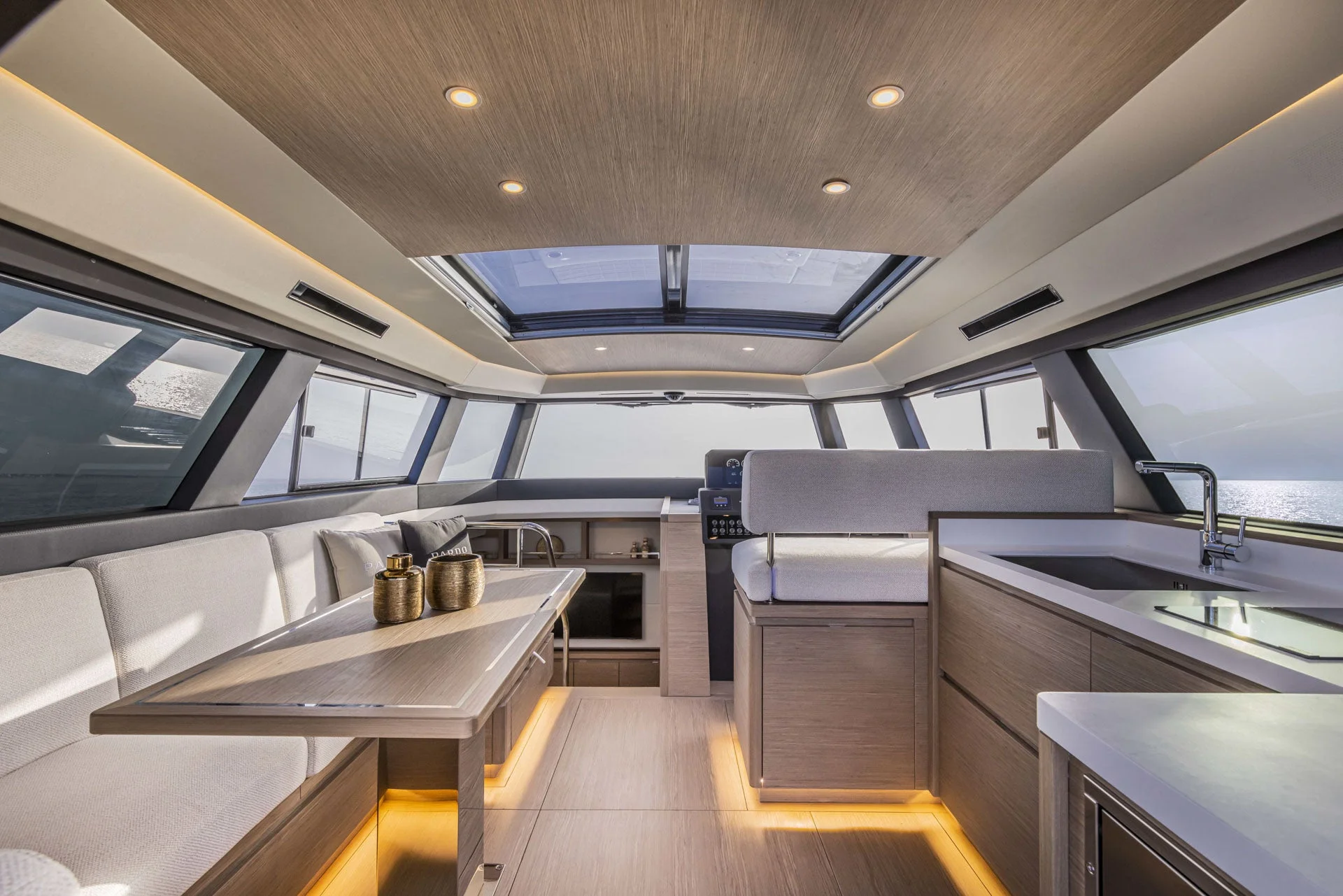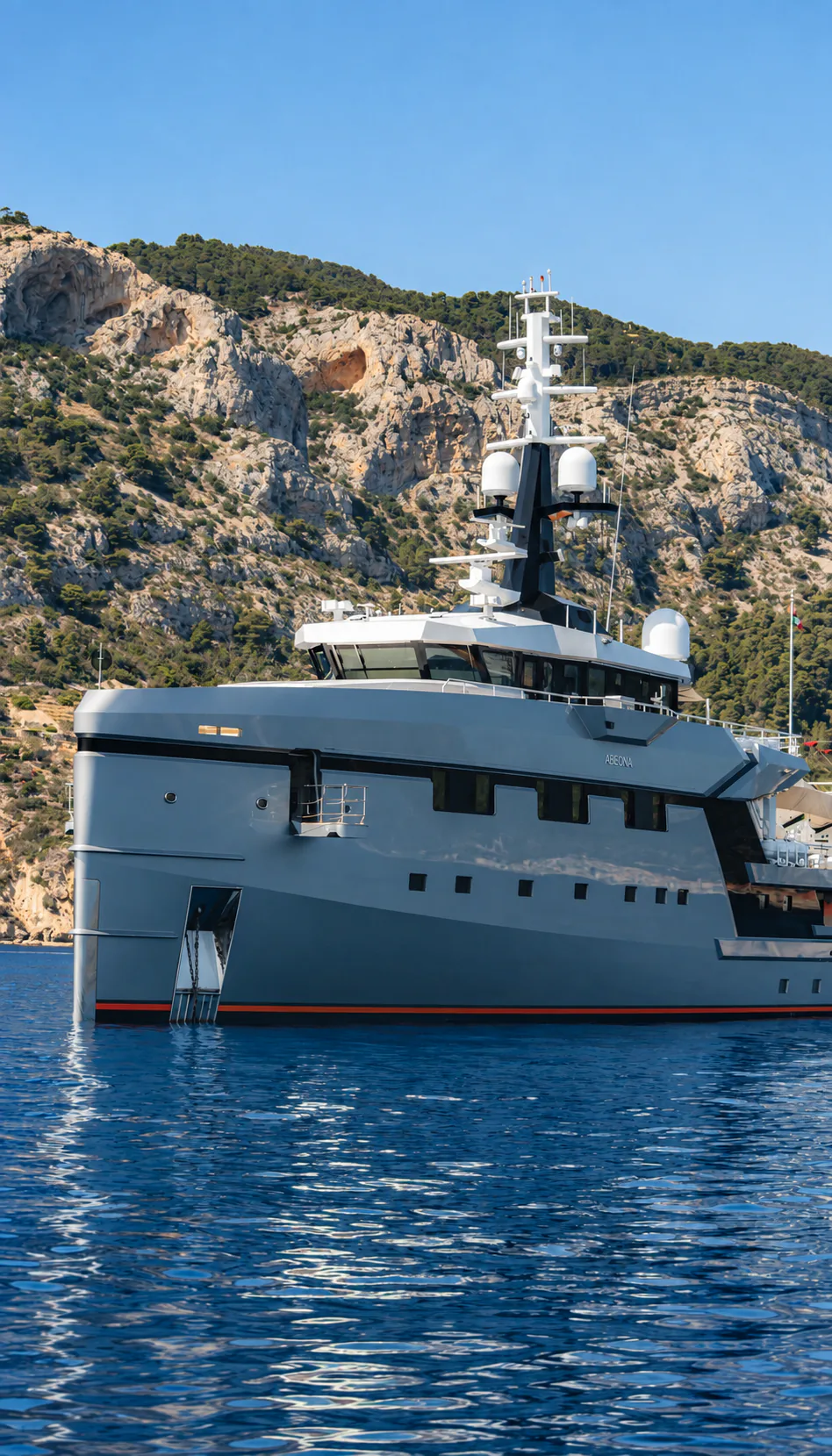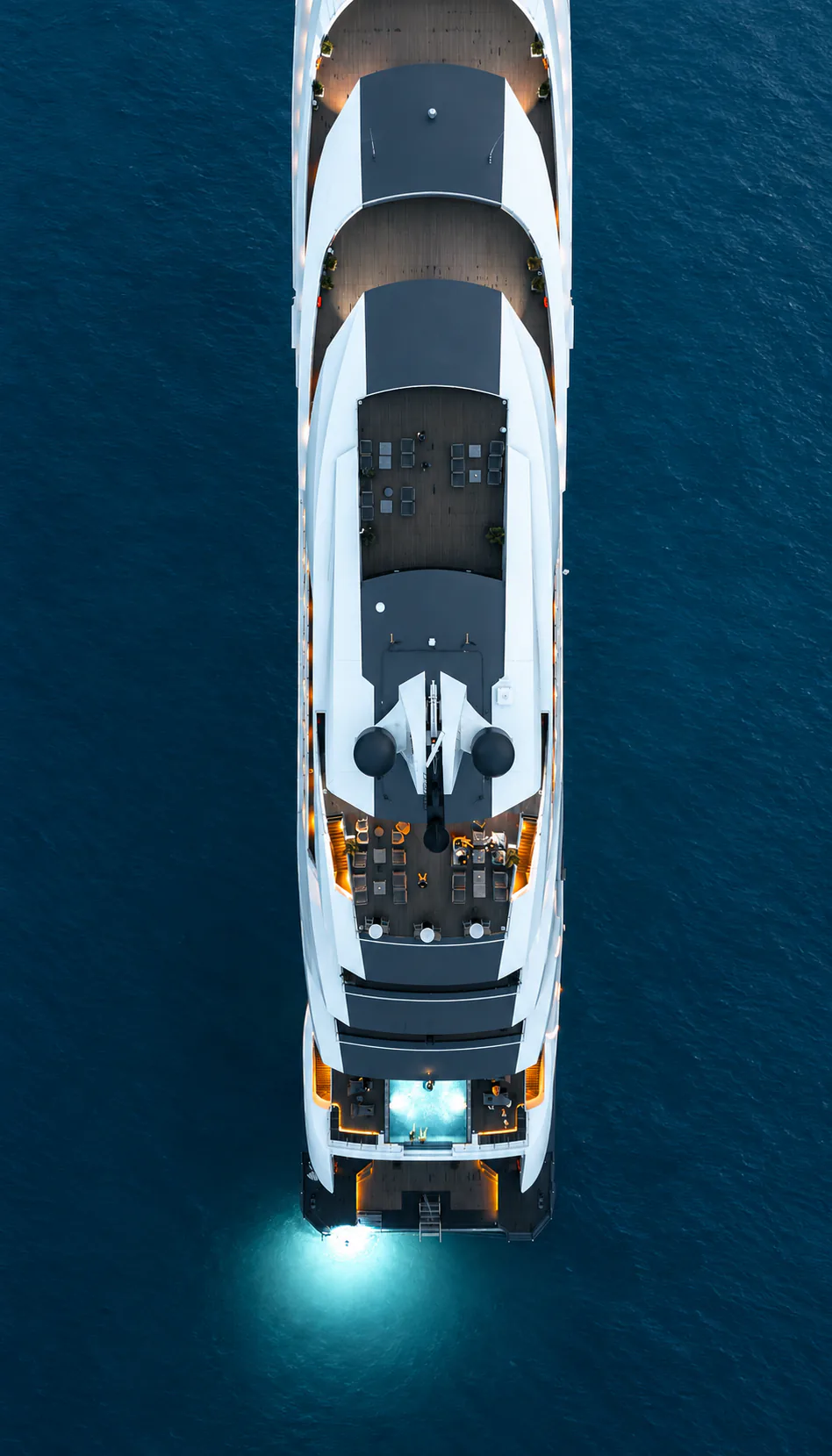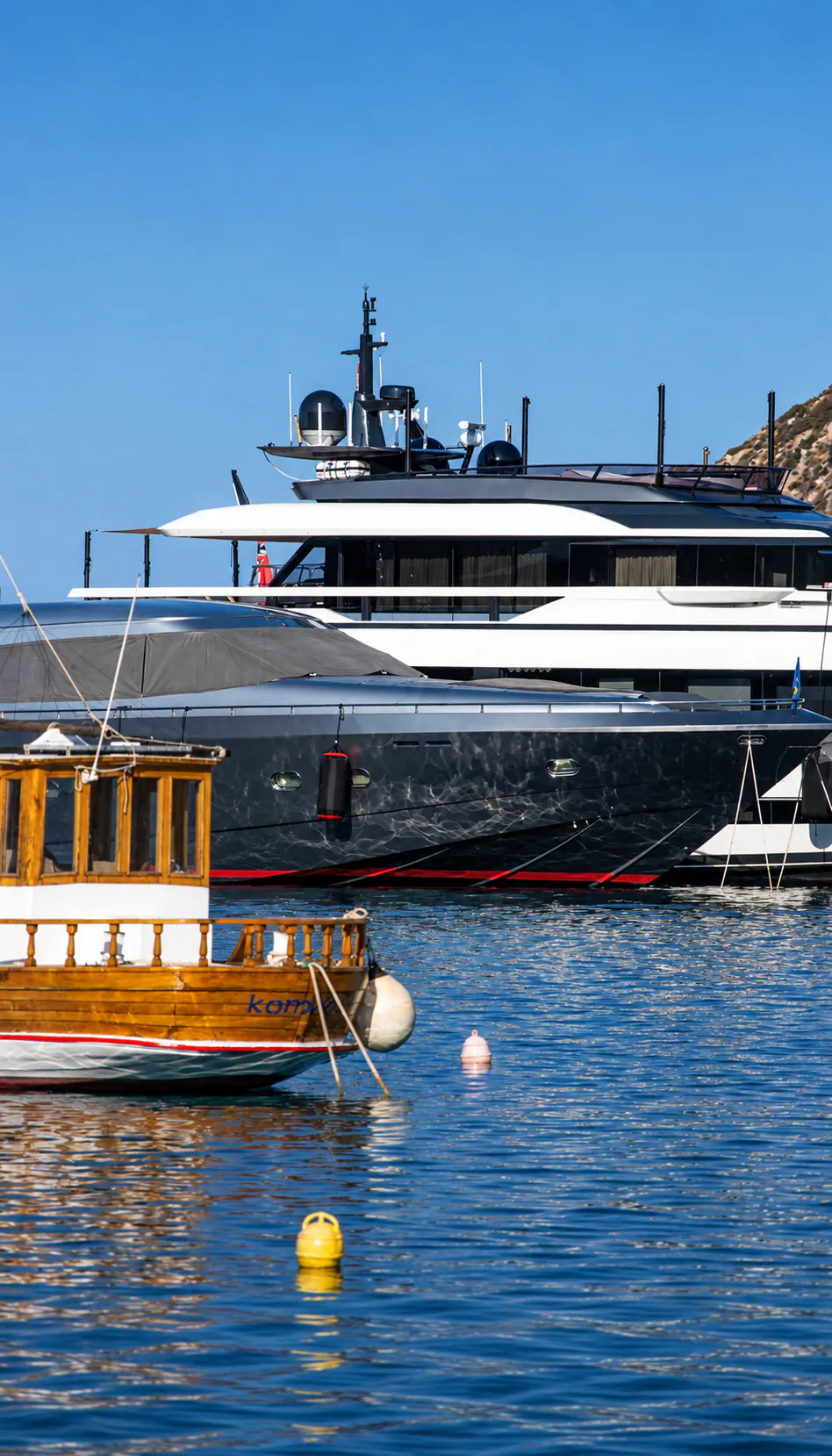
The first yacht is visited on a breezy morning; the second is shown after lunch in still heat. One feels wonderfully open and the other seems to need more shade. That impression may say as much about the hour as it does about the yachts. A fair southern-water comparison gives each shortlisted yacht the same imagined use, then asks how its spaces respond.
LYRA's catalogue can bring forward yachts marked for Southern Areas. For a real comparison, they should also belong to a credible common segment and suit the same group of people. The work then moves from the suitability label to places on board: the helm, the lunch table, the route to the water and the sheltered space available when conditions change.
Give both yachts the same moments
Picture the owner arriving with family for a warm afternoon. They want a relaxed passage, lunch at anchor, swimming and an easy return. On each yacht, follow those moments in the same order. Where do guests sit while under way? Where is the table when the sun is overhead? Can a person who wants a breeze and a person who wants shade remain part of the same conversation?
The comparison is sharper when the viewing conditions are similar. If that is impractical, a deck plan, photographs of the exact configuration and a careful discussion with the seller can keep the questions consistent. A sunny photograph of one yacht and a cloudy sea trial of another are impressions worth enjoying, but they are different kinds of evidence.
Notice where the shade really falls
An awning, hardtop or retractable cover becomes valuable when it reaches the places the owner will actually use. Shade over a sunbed is not the same experience as shade over a table for six. Deployment matters too: a cover that is simple to use may become part of every outing; one that takes more preparation may be reserved for long days at anchor.
As catalogue examples, the Rio Yachts DAYTONA 50 page describes bow and stern awnings, while the EVO Yachts R4 page describes optional T-Top or awnings. They show why a feature name is only a beginning. They are not presented as direct finalists. On any offered yacht, the actual covers, their reach and the way they are used need confirmation.
Follow the air from open deck to shelter
At anchor, doors and side openings can make a saloon feel connected to the sea. During the return passage, those openings may be used differently. Compare the two modes on each yacht rather than judging one space while everything is open and another while it is closed. Where does the group naturally gather in each mode? Does the protected space still offer the view and social connection the owner enjoyed outside?
The answer may shift with the owner's season. A yacht used mostly on hot, short days can place more emphasis on outdoor circulation; one used regularly in cooler or breezier months may make the protected transition more important. The seller and a qualified technical adviser should confirm ventilation, cooling and operating limits for the exact configuration. The comparison records what the yacht offers; it does not turn Southern Areas into a performance certificate.
A useful final note for each candidate is simple: which moment it handles especially well, which moment asks for adaptation, and what evidence is still needed. That gives the owner a reasoned choice between distinct layouts rather than a generic climate score. LYRA's selection approach begins with the life the owner wants. Comparing shade, airflow and shelter in the same lived moments shows which yacht carries that life most naturally across the intended season.