By the time the main course arrives, a good dinner has found its own pace. People have settled into conversation, the table feels comfortable and the hosts can enjoy the company. On a yacht, that ease comes from a relationship between the place where food is prepared and the place where everyone gathers.
For a buyer who loves this kind of evening, listed guest capacity and galley capability provide two useful selection parameters. They connect the social ambition with the work required to fulfil it. The yacht's broader size, type and operating arrangement can then be chosen around the way the owner likes to host.
For this evening, six adults include the people hosting, and everyone will return ashore afterwards. That gives the search a clear social scale. The meal can then be planned around the owner's preferred way of hosting and the facilities needed to support it.
Choose the evening before choosing the equipment
Begin with a menu the owner would genuinely enjoy serving. A relaxed meal of prepared dishes asks different things of the galley from several courses cooked aboard. One may need thoughtful cold storage and clear space for plating. Another brings cooking, washing, ventilation and the work of several people into the brief.
Think about the host's place in the evening. Some owners enjoy preparing the food while remaining close to the conversation. Others want to sit with their guests throughout dinner. That preference affects how much help is wanted and how the working space should relate to the table.
The meal should remain recognisable as the owner's kind of hospitality. A yacht can offer an impressive kitchen and still place the host away from the company more often than they would like. Another arrangement may make a modest menu feel wonderfully generous because everyone shares the evening together.
Read the galley through the work it supports
In the LYRA catalogue, Full-Service Galley is relevant when proper meal preparation forms a substantial part of ownership. Its value becomes clearer when the buyer connects it to the intended food and service. The exact equipment and configuration still deserve a direct look.
Follow the ingredients from storage to preparation. Is there practical room to set them out? Where can finished dishes wait? What happens to used plates while the next course is prepared? These small transitions determine whether the working area feels composed throughout a meal.
The arrangement also needs to suit the person doing the work. An owner preparing one course alone will use the space differently from a visiting chef and an assistant. Professional service may justify a more extensive working environment, separate preparation areas or a particular connection to guest spaces, depending on the yacht.
The route between galley and table gives that relationship a physical form. During a viewing, picture a finished dish leaving the preparation area while somebody at the table stands or moves towards the interior. The arrangement should be understood with both parts of the evening in use. This reveals where serving can fit comfortably around the guests and how the host can remain involved in the gathering.
A buyer can discuss those needs without turning the search into an appliance catalogue. The purpose is to understand which physical arrangement supports the desired evening. Itemised equipment and installation questions become more precise once that purpose is clear.
Give the table the same attention
Guest capacity describes one aspect of the yacht. A seated dinner requires its own examination of the actual table, chairs and access. Imagine all six places occupied, with food and drinks being served. The host should be able to picture how people arrive, sit, stand and remain part of the conversation.
Shade or shelter may matter at the beginning of the evening. Later, lighting and a comfortable temperature become more noticeable. A practical alternative place to gather can preserve the relaxed character of the occasion when the operator judges that the conditions call for a change.
The anchorage and the yacht's operation remain with the responsible skipper. The owner's contribution is to make the hospitality brief clear enough that the skipper and anyone providing service can organise a suitable evening around it.
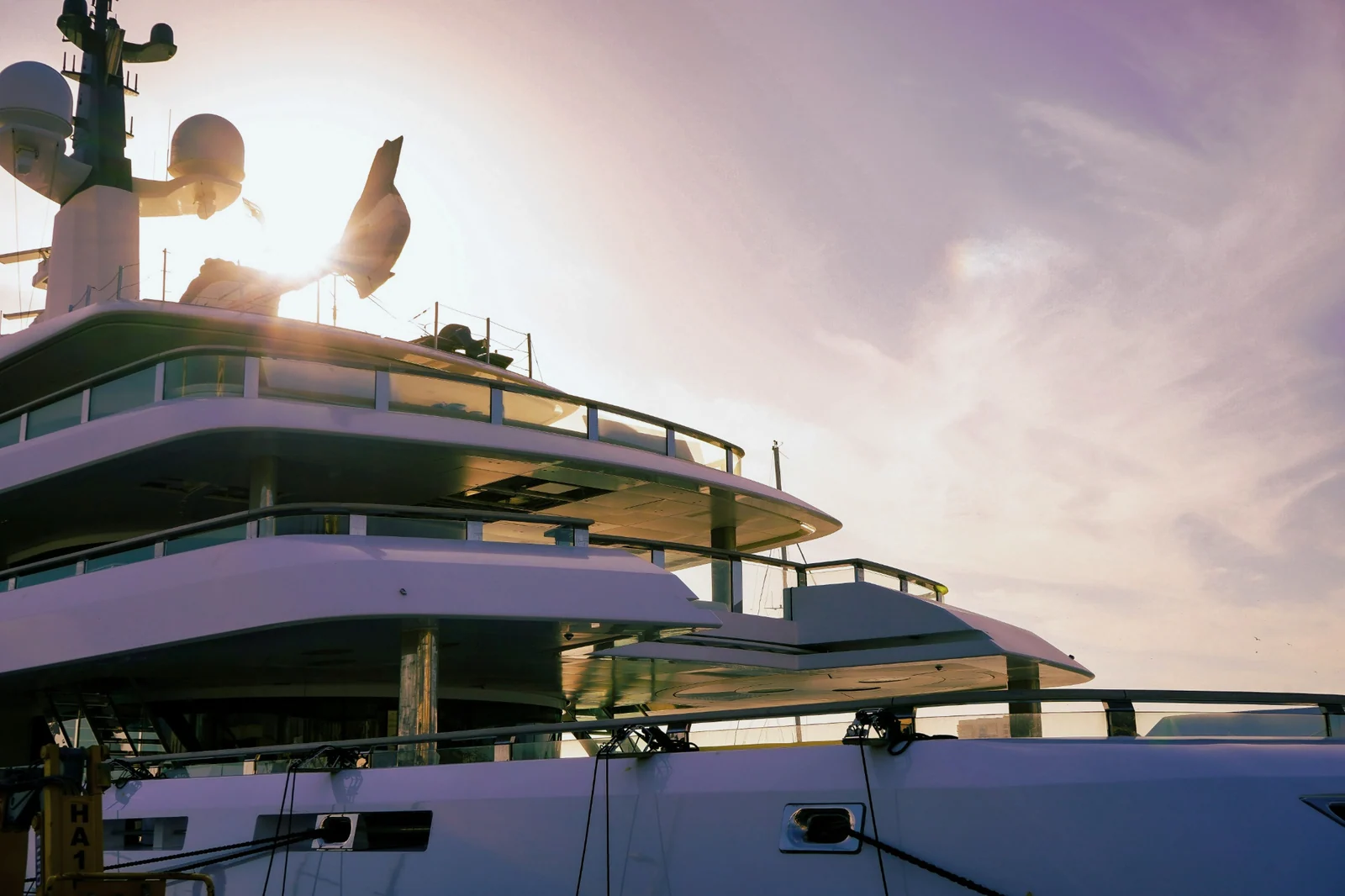
Examples of the full-service end of the market
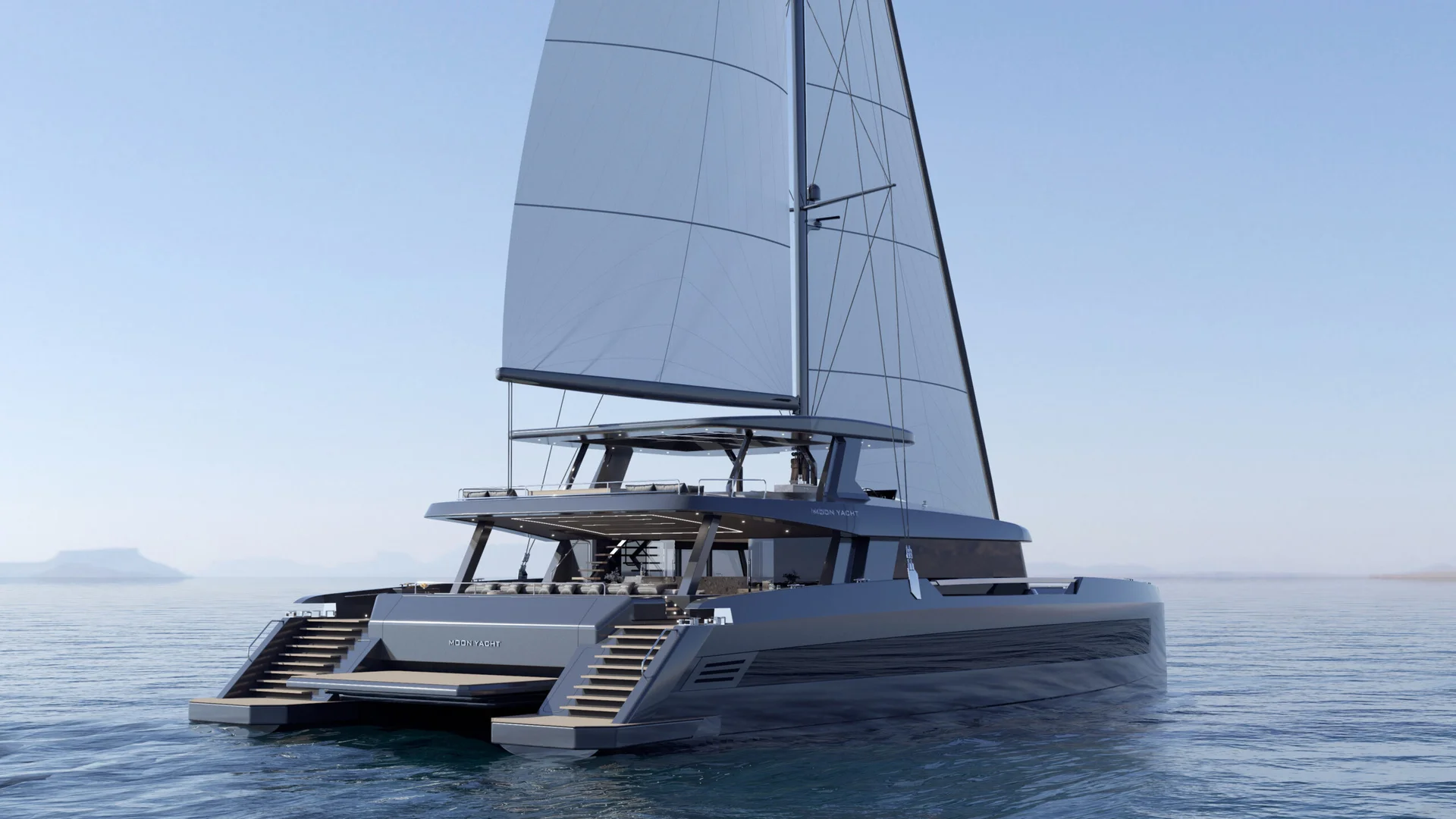
The sailing Moon 100 and motor Terranova T100 are examples listed at 30 metres whose catalogue records include the galley provision relevant to professional meal preparation. They illustrate a larger, service-oriented interpretation of dining aboard.
Yachts of that scale can be explored when the owner wants a substantial hospitality arrangement. A smaller yacht with appropriate cooking facilities may suit a much simpler dinner equally well. The examples widen the picture of what the galley parameter can mean; they do not establish a size requirement for inviting six people.
Let the hosts enjoy the invitation
The final test is to picture the whole meal, including the moments around it. Guests arrive with somewhere to put their belongings. Food has a workable route from preparation to table. Used dishes have a place to go. The people hosting can spend the evening in the role they actually enjoy.
That is what makes galley capability a personal selection criterion. It turns equipment into a form of generosity and guest capacity into a real invitation. When those elements work together, dinner at anchor becomes an occasion the owner can offer with confidence—and a pleasure that belongs naturally to life with the yacht.