
By evening, the character of a sailing yacht has changed. The attention that belonged to the passage moves towards a meal, a comfortable place to sit and the thought of waking aboard. The day can feel pleasantly complete: participation under sail, followed by a private little world for the night.
Selecting sailing yachts gives the search its boat type; overnight capacity brings the staying company into the picture. Together they help identify boats for the whole weekend. The owner's intended role in sailing then needs its own assessment on each yacht.
Describe the part of sailing you love
Some owners look forward to the concentration of taking the helm and working with a small team. Others enjoy being part of a passage while relying on more experienced help. The yacht should support the intended relationship with sailing, including a sensible learning and operating arrangement.
A conversation about the normal day helps. Who is likely to be aboard? Which tasks does the owner enjoy? How long would a satisfying passage feel? These preferences give a broker and skipper something more useful than a general request for a beautiful sailing yacht.
Keep the evening in that conversation too. A couple who want dinner and an early night will use the accommodation differently from friends who like to stay up talking. The passage can be shared while the hours afterwards remain distinctly personal.
Come below as though the day has happened
The best time to imagine the interior is after a real day's activity. People have bags, extra clothing and things that need putting away. They want to change, find a drink and sit comfortably. The yacht's arrangement should make that transition welcoming.
At a viewing, notice where ordinary belongings would go. A neatly presented cabin may need to accommodate considerably more once the weekend begins. A place for a bag, a usable changing space and a straightforward route to the bathroom often matter more than decorative details remembered from photographs.
The saloon deserves the same practical attention. Can the regular group sit in the way they like? Is there a comfortable retreat for somebody ready to rest? What happens when one person wants to read while the others continue the conversation?
These questions explain what the accommodation contributes to the weekend: places for the company to settle, spend time together and enjoy the hours after sailing.
The time before dinner can be especially revealing. Someone wants to change while another begins preparing food and the rest of the company settles into the saloon. Follow that one transition on the actual plan. It connects the private rooms with the shared evening and shows where people can find their belongings or pause comfortably after the passage.
Let the sleeping plan suit the company
The LYRA catalogue brings sailing models and their listed overnight capacity into the search. The actual layout then needs to be read against the regular travelling party.
Read the cabins as rooms for the company who will normally make this trip. Identify where each person will sleep, keep belongings and find a quiet place when they want one. If a professional will remain aboard, their accommodation and working arrangements need to be understood separately from guest sleeping places.
Try a simple evening on the plan. Dinner ends, one person goes to bed and someone else makes tea. Follow those movements without assuming that a room's name explains its privacy. The cabin-layout guide is useful for taking that question further.
Morning adds another test. Where can the first person awake sit comfortably? How easily can breakfast begin while others rest? These small pleasures often become the memories that make owners eager to leave for another weekend.
Consider the table with the things breakfast actually needs: cups, plates and whatever you enjoy serving. The evening's gathering place now has a second role. Seeing how the room supports that change helps you imagine a complete stay, with the yacht remaining welcoming as the household moves from a quiet night towards the next day.
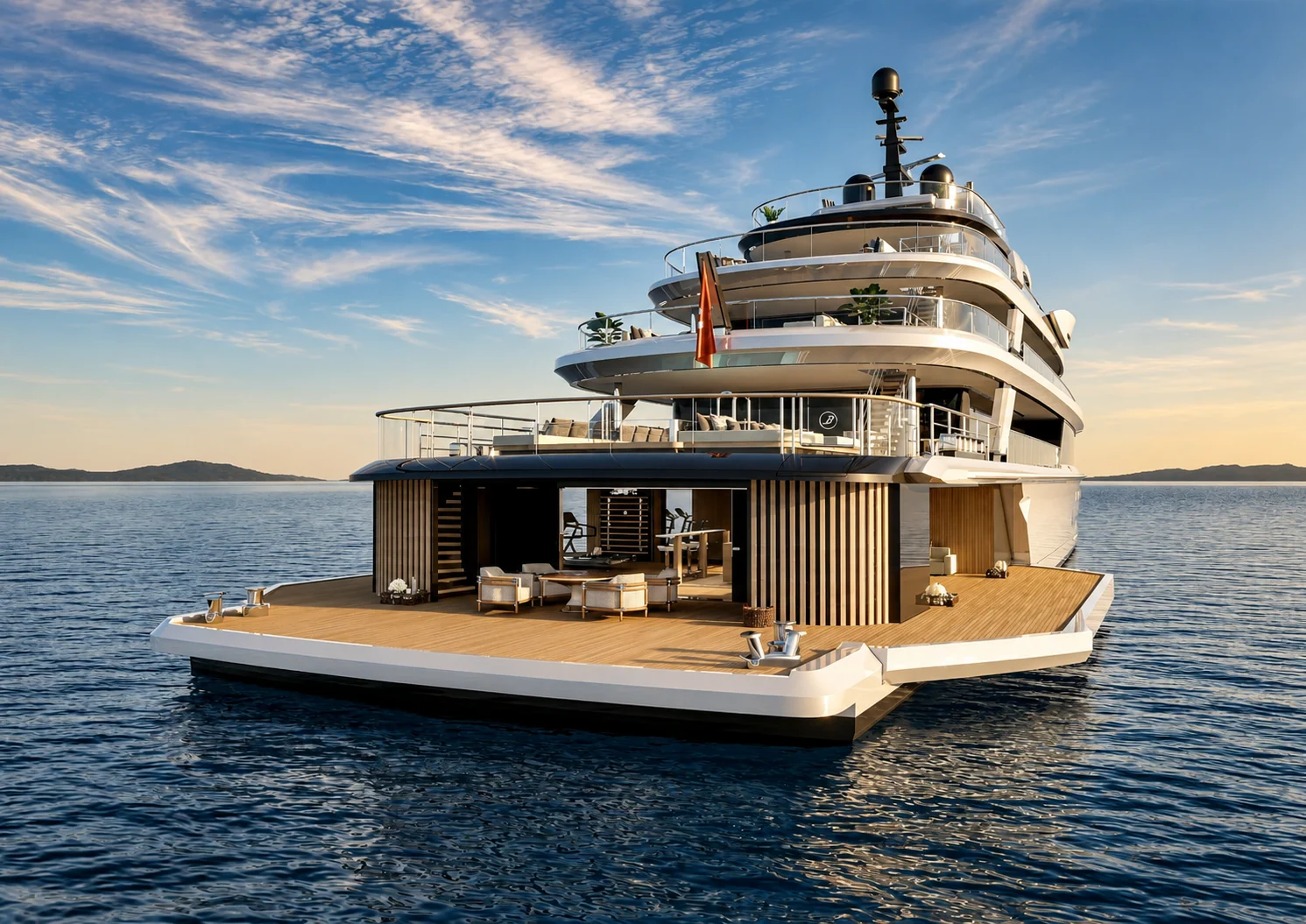
Sailing examples with the same overnight figure
The Oyster 565 and Contest 55CS are examples listed as sailing yachts at 18.09 and 18.10 metres respectively. Each catalogue entry shows six overnight berths.
They illustrate a relevant scale for exploring the relationship between sailing and accommodation. On yachts in this band, the berth figure should lead to the current room arrangement, storage and shared spaces. It leaves room for a rewarding comparison of how the whole weekend would feel aboard different designs.
The operating role still deserves its own conversation on each exact yacht. A similar length or berth count does not establish identical sail-handling arrangements, workload or personal suitability. The buyer can investigate those questions while keeping the desired evening clearly in view.
Choose a weekend worth lingering over
A good sailing purchase can honour two kinds of enjoyment at once: the active pleasure of the passage and the quieter pleasure of having somewhere personal to stay afterwards. Each gives the boat a distinct role in a weekend you want to repeat.
When a buyer can picture both parts clearly, the search gains character. The right segment begins to include places for familiar actions: putting away a jacket, taking a seat after dinner, waking to the view outside. Sailing remains central to the day, and the evening gives the owner another reason to be glad the yacht is theirs.