
Begin with a purpose rather than an expectation of a regional bargain. A buyer looking for a particular arrangement, degree of personalisation or style of involvement needs evidence about those subjects. A country's inclusion in a regional discussion cannot establish affordability, production quality or the suitability of an individual yacht.
Let a real project challenge the generalisation
LYRA's Polish-built yacht collection opens one part of the search. It represents build origin within Poland, rather than the whole region. The next step is to compare the products and project arrangements of the builders that catch your attention.
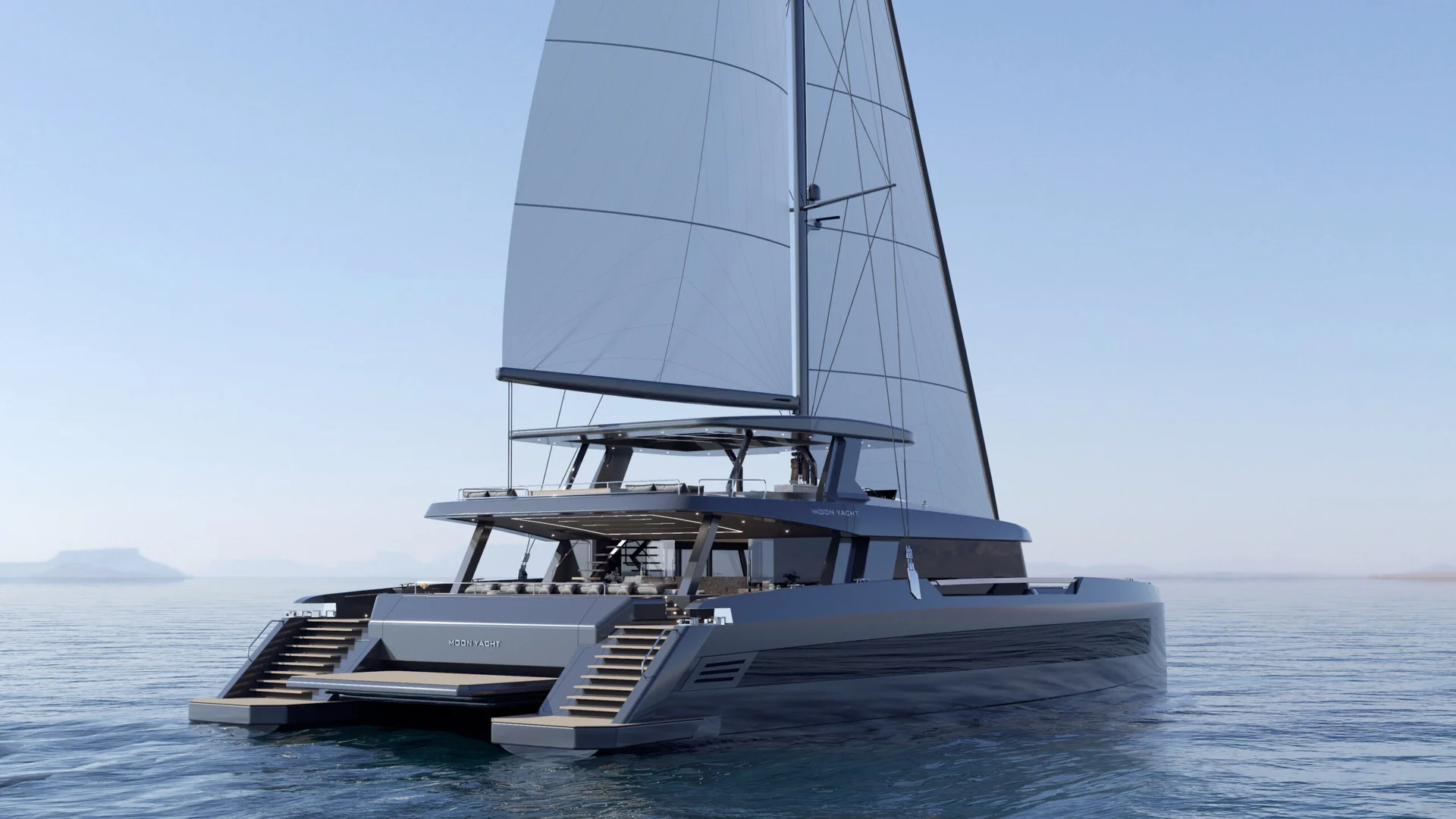
For an example of why broad assumptions can mislead, Sunreef's announcement of the 100 Sunreef Power describes the Polish yard's motor-catamaran project. It supplies a concrete model and concept to investigate. It does not demonstrate that regional builders all address a middle-price market or share the same approach to space and construction.
Take the example as a prompt to look closely at the desired experience. A multihull arrangement may invite questions about where people gather and how private areas are organised. A different candidate may raise a different set of priorities. Compare like needs before comparing headline dimensions or the visual impact of a presentation.
Understand how each builder would work with you
Ask which decisions are open within the specific proposal. What comes from an established arrangement? Which changes can be considered, and at what point must they be resolved? The answer should describe the intended project, not a general reputation for flexibility.
Look at the proposed relationship between the yard, designers, dealer and owner representatives. Named responsibilities help explain where the buyer's wishes would be developed and who would supply the information needed for a decision. A photograph of an attractive interior does not reveal that working process.
The practical ownership arrangement deserves equal attention. Discuss the support relevant to the intended base, the documents available for the yacht and the professional checks the particular purchase requires. These enquiries should be proportionate to the project, rather than based on favourable or unfavourable assumptions about a region.
Compare the builder's proposition with your first expectation
Give the first comparison a setting you can picture. A question about an actual occasion gives a new builder something more useful to respond to than a broad expectation about the region.
Use the motor-catamaran reference as a question for your own search. If a hypothetical owner is attracted by the possibility of shared time aboard, ask where the actual proposal puts gathering and private areas, and which arrangement is being discussed. Then take the same intended occasion to another builder of interest. The second project may have a different response or require another explanation before its relevance is clear. This does not make one boat a regional standard or assign a price category to either. It lets the owner compare the need being served while keeping the identity and information status of each proposal intact.
A short exploration note can separate:
| Point in the comparison | Useful owner question |
|---|---|
| First expectation | What assumption brought me to this part of the search? |
| Actual attraction | Which particular quality makes this yacht worth understanding? |
| Builder explanation | How does the team connect its proposal with that quality? |
| Open matter | What still needs experience, clarification or appropriate assessment? |
The note records the owner's enquiry, not a ranking of national industries. It can help prevent both favourable and unfavourable stereotypes from supplying conclusions that the actual project has not established.
Ask the builder to describe its own priorities. The way it presents the design and explains a personal request may reveal a relationship you find appealing. Another builder within the same collection may emphasise something different. Give each proposal enough identity for those differences to be discussed without presenting one as representative of every nearby yard.
Compare value with the contents visible
If price is part of the attraction, identify what each proposal actually contains. Configuration, equipment, stage of completion and the work needed before intended use can change the comparison. Obtain appropriate professional advice on technical, contractual and tax matters where relevant. An unverified story about regional labour costs cannot establish what an owner will pay or receive.
The buyer's own time also belongs in the comparison. A project requiring participation the owner would enjoy may be attractive for that reason; another may need more coordination than the buyer wants to undertake. Understand the support available before deciding that a quoted amount describes the whole experience.
Exploring this region works best as a search for distinctive builders. The country collection provides a beginning, and project-specific evidence gives the comparison its meaning. The result can be a yacht chosen for what its design and proposed ownership arrangement offer, without asking a geographical label to stand in for the boat itself.
