
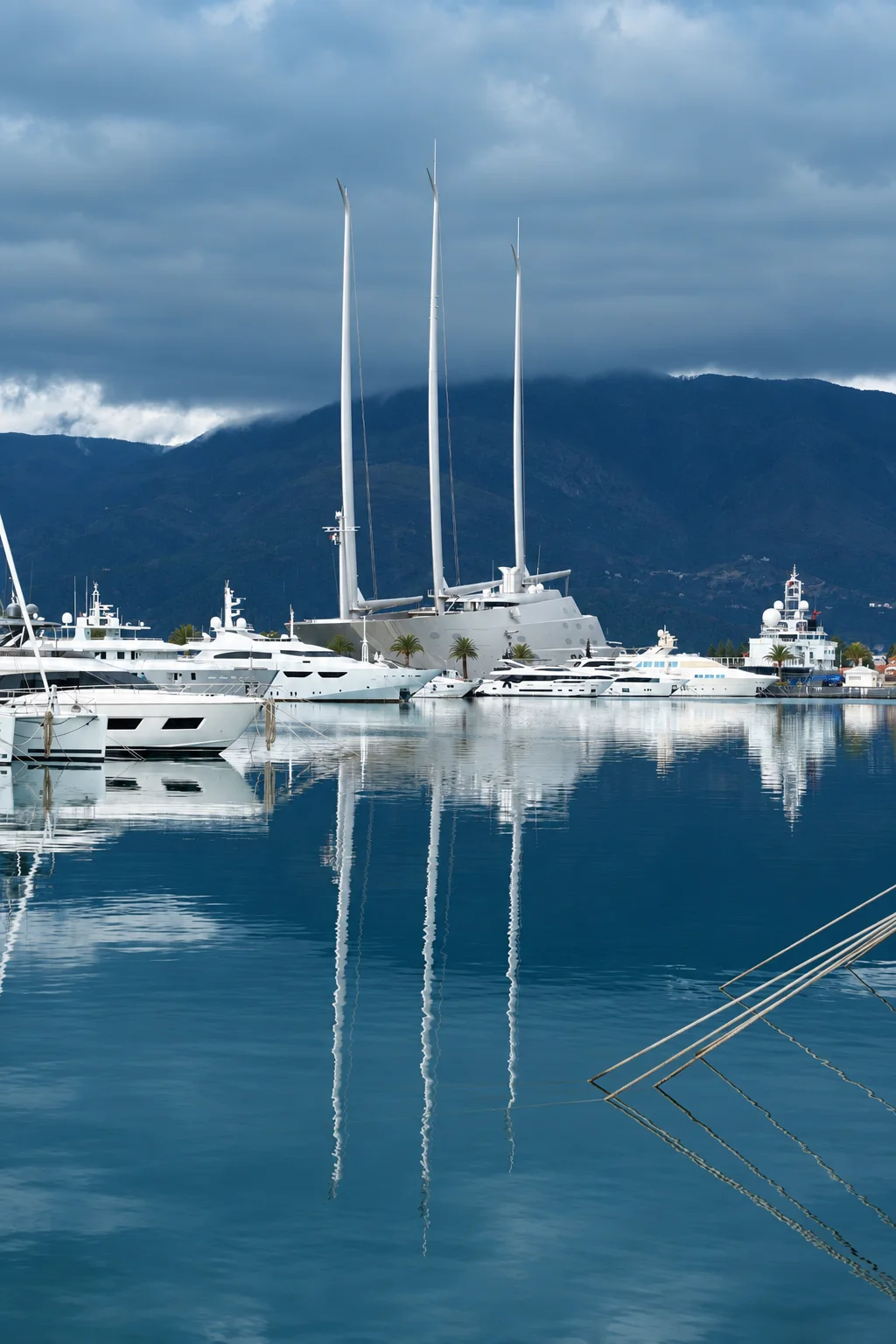
Begin with the proposed yacht and pattern of use. An owner aboard, an absent owner and a visiting professionally operated boat may have different communication needs. Make that context clear so the marina and appointed team can explain their respective roles.
Understand how information reaches the right person
Ask where relevant notices or updates are published and which direct contact route applies to the stay. The owner should know how an important message is received and who needs to act on it within the appointments. A general online forecast is only one information source.
Clarify the position when the owner is away. Who is responsible for the agreed care, who can access the yacht and which decisions require further instruction? Those matters should be addressed through a suitable professional arrangement rather than assumed from the berth being occupied.
In a hypothetical visit, the owner may receive a marina notice while the competent operator assesses the yacht's intended use. Keeping those roles clear allows the notice to inform the right discussion. The owner's travel plan should not become an assumed operating instruction.
Keep forecasts and local assessment connected
The RYA's weather guidance explains that a forecast is an indication and that local effects may require further consideration. That general orientation supports using appropriate current information and competent judgement. It does not verify the protection of any particular marina or establish a decision for a specific boat.
Ask qualified people about the yacht, place and circumstances. A sheltered appearance or an operator's general description should not be expanded into storm immunity. The relevant assessment should explain the conditions and limits that matter to the intended arrangement.
If movement to another place is discussed, it needs its own competent assessment and actual destination arrangements. Weather forecasts cannot guarantee an appropriate departure or safe relocation at a preferred moment. Keep any such proposal specific rather than use mobility as a universal fallback.
Ask what the explanation means for this stay
An owner travelling separately from the yacht may need a different information route from an owner already aboard. An absent owner may have appointed people with defined authority. Explain the actual pattern so the marina's response does not rely on an assumption about who is present or able to act.
Distinguish a notice from a yacht-specific conclusion
A message can provide relevant information while leaving the competent operator or other appointed professionals to assess the boat's circumstances. Preserve that boundary when passing it on. A summary should not strengthen a general notice into a conclusion about what this yacht can safely do.
Keep contact continuity separate from personal familiarity
A helpful individual may explain the process well. Ask which current team route applies if that person is unavailable, within the marina's actual service arrangement. The relevant people should be able to recognise the stay and its contact responsibilities without depending entirely on one person's memory.
If the yacht's appointed team changes, update the relevant information through the appropriate provider process. Keep the current roles distinguishable from earlier arrangements. An old contact list can remain as history without being used as the basis for consequential communication now.
Avoid making the owner's diary the operating plan
An onward journey, guest arrival or intended departure can be important personal information. It should be communicated to those responsible for the project, but it cannot determine a suitable operating decision. Have competent people explain the actual situation and any implications for the visit.
Read responsibilities through the agreement
Understand what the marina provides, what an appointed manager or operator handles and what remains with the owner. Appropriate advisers should explain consequential terms and insurance questions where relevant. Service expectations and legal responsibility are distinct subjects.
The owner can also ask how the marina explains site procedures to unfamiliar visitors. A clear route to current instructions is useful evidence about communication. A friendly tour alone should not be treated as a complete account of how an exceptional situation would be handled.
A useful weather discussion leaves the owner informed about the arrangement and its boundaries. Current information reaches appropriate people, responsibilities are understood and competent judgement remains central. That supports a more thoughtful relationship with the marina while retaining an honest account of uncertainty.
