Yacht speed looks like a single question until an owner imagines an actual journey. A maximum figure can be exciting; a published cruising figure offers a passage-planning reference; an “optimal” figure raises a further question about the operating point it represents. These are three different references. Treating them as interchangeable can make a yacht appear better suited to a route than it will be in practice.
The LYRA catalogue includes a maximum-speed search control. Individual model pages can also display maximum, cruising and optimal-speed fields. The latter is a published model value where present, not a separate top-level speed filter. The page does not by itself establish how that optimal value was calculated or tested, so a buyer should ask for its basis before applying it to a journey.
Maximum is a capability boundary
A published maximum is useful for identifying the upper part of a yacht's performance envelope. It does not promise that this is the speed the owner will use for every trip. A figure can depend on the installed engines, loading, hull condition, weather and the test method used. When maximum speed is important to a buying decision, ask which exact configuration produced the claim and under what circumstances.
This is particularly relevant when a model is offered with several propulsion packages. A general model name may cover more than one top-speed result. The specification for the yacht being purchased should be connected to its performance data, so the buyer knows which number belongs to which vessel.
Cruising is a passage reference
Cruising speed is more closely related to the journey an owner expects to repeat. It is still a published reference rather than a guaranteed pace in every sea state. It becomes useful when paired with the corresponding fuel use, range, noise and the comfort felt in the spaces where people will be travelling.
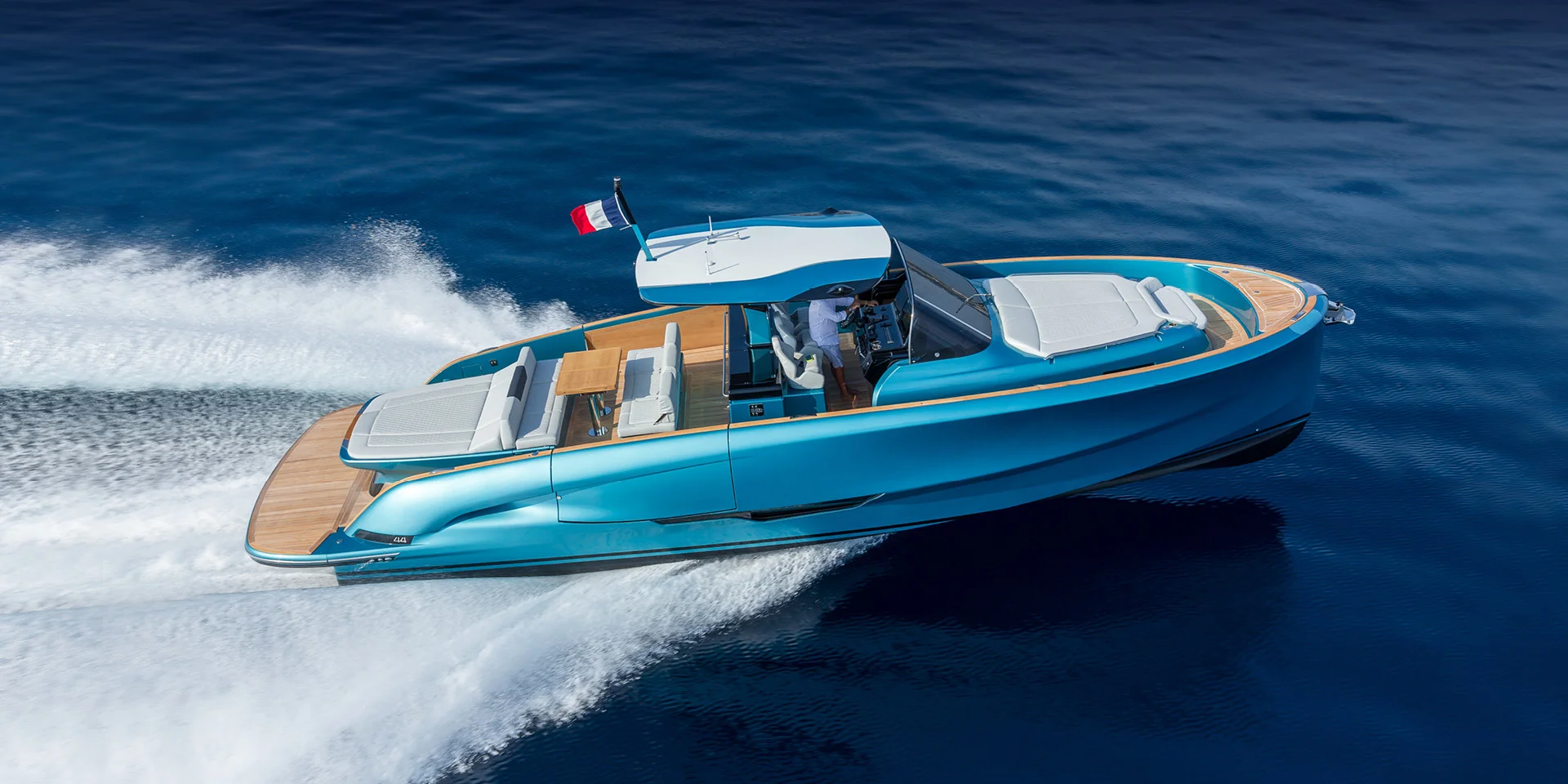
LYRA examples show why the two figures should be read separately. The Solaris Power 44 Open is shown with maximum and cruising speeds of 39 and 27 knots; the I.C. 55 shows 28 and 24 knots. They are examples of published fields, not a recommended two-yacht race. Their different size and programme matter as much as the figures.
An owner considering longer passages can ask how the yacht behaves at several cruise points. A small change in pace can alter time aboard and fuel planning. The best point for one owner may leave time for a relaxed lunch; another may prize a prompt arrival. Both are legitimate reasons to choose a different operating speed.
Optimal needs a stated basis
An optimal-speed entry is useful only when its meaning is clear for the specific model. Does it refer to an efficiency point, a recommended operating pace or another calculation? Which engine option, load and conditions were used? Without that information, the label cannot be treated as a verified promise about fuel use, comfort or range. Nor should a buyer assume it was derived by a universal formula from the cruising-speed figure.
The owner still chooses a preferred operating pace for each passage. On a calm morning they may travel faster; in other conditions they may prefer a gentler pace. Distance, daylight, guests and how much of the day should be spent under way all influence that decision. The model's published optimal value can be a point for discussion, while the owner's preferred pace is a separate choice to test against builder information and, where possible, the exact yacht under way.
This distinction turns speed from a contest of claims into a way to imagine a yacht's real rhythm. LYRA's selection approach asks what life the yacht will deliver. Maximum speed describes an upper capability, cruising speed provides a published passage reference, and the optimal-speed field calls for a clear explanation of its basis. The owner can then decide what pace actually serves the journey they want to make.