A speed table becomes more interesting when its first column names places rather than models. Write down the two or three passages the owner expects to repeat: perhaps a nearby lunch anchorage, a favoured island and a longer coastal visit. Then ask what each yacht would make of those days. This creates a comparison that can influence an actual purchase instead of simply celebrating the fastest number on a page.
LYRA's catalogue shows maximum-speed values and, on individual model pages, cruising-speed figures where available. Those figures need to be connected to the exact engine package, load and conditions. The comparison should use realistic sustained speeds for the route. Maximum speed remains useful context, but it is rarely the number to insert into an ordinary travel timetable.
Start with two distances
Imagine a 12-nautical-mile lunch trip and a 45-nautical-mile coastal visit. At a steady 15 knots, the theoretical travel times are 48 minutes and three hours. At 25 knots, they are about 29 minutes and one hour 48 minutes. This is simple arithmetic, not a claim about a specific yacht. Port approaches, speed limits, sea state and the route itself will add time or change the safe pace.
The shorter journey may leave plenty of time at the destination in either yacht. The longer one can make the difference more consequential. That observation helps the owner avoid paying excessive attention to a speed gap that barely changes the days they will usually spend aboard, while recognising a gap that genuinely expands the weekend.
The comparison should include the return leg. A late-afternoon departure, the normal light and the wishes of the people aboard can matter more than a morning speed trial. The strongest candidate is the one whose travelling rhythm works both ways.
Compare the right evidence
For each yacht, record the installed engines and drives, the published cruising speed, any available fuel-use and range information at that same pace, and the conditions behind the test. A 25-knot figure for one light, clean configuration and a 20-knot figure recorded with a different load do not form a controlled experiment. They are prompts for a more precise question to the builder or seller.
Where the decision is close, the owner can trial the exact yacht at the speeds that make sense for the two routes. Listen in the places guests will sit. Observe motion, visibility and how easily the driver can settle into a comfortable pace. Performance data is necessary; the pleasure of the journey is also evidence of fit.
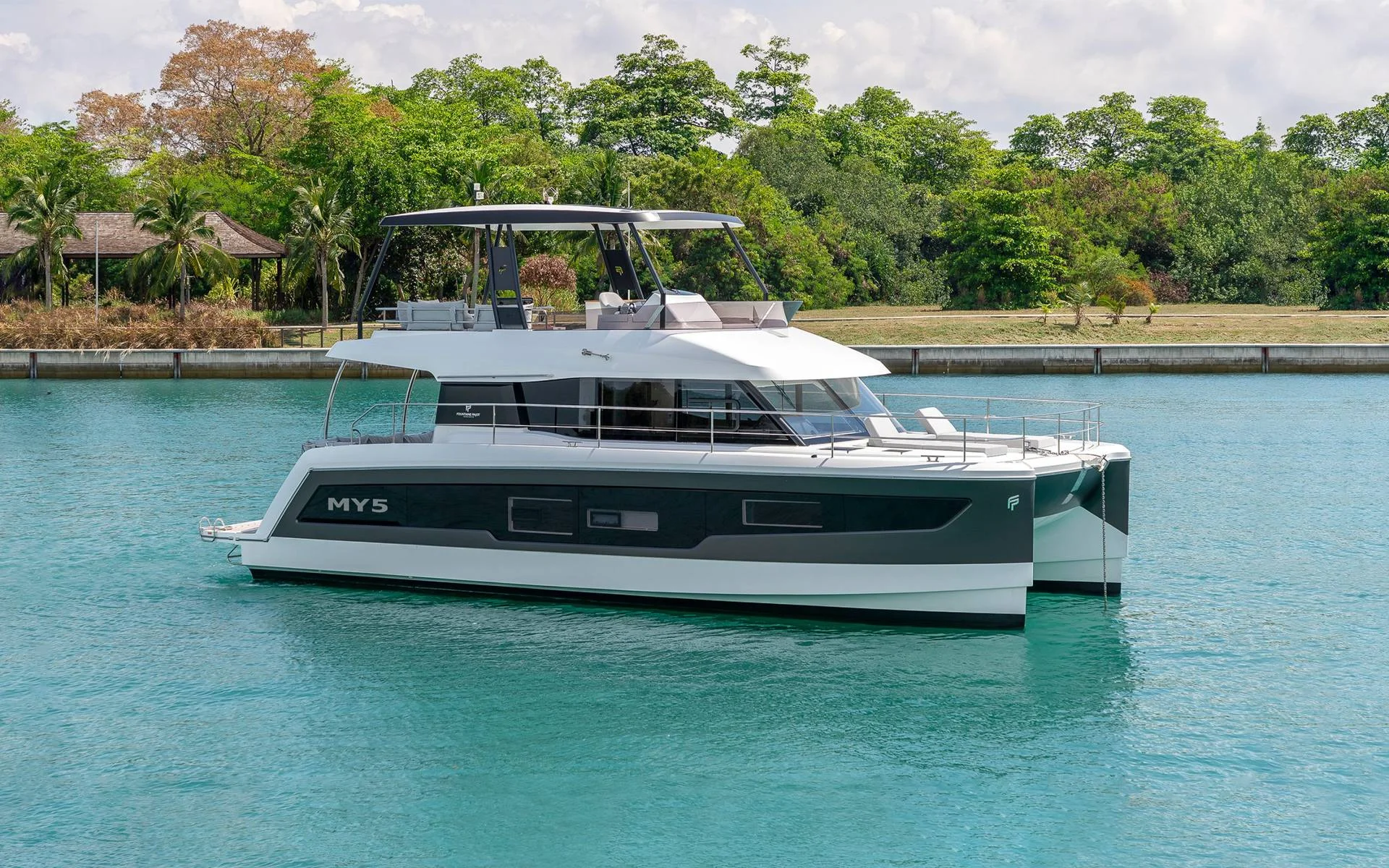
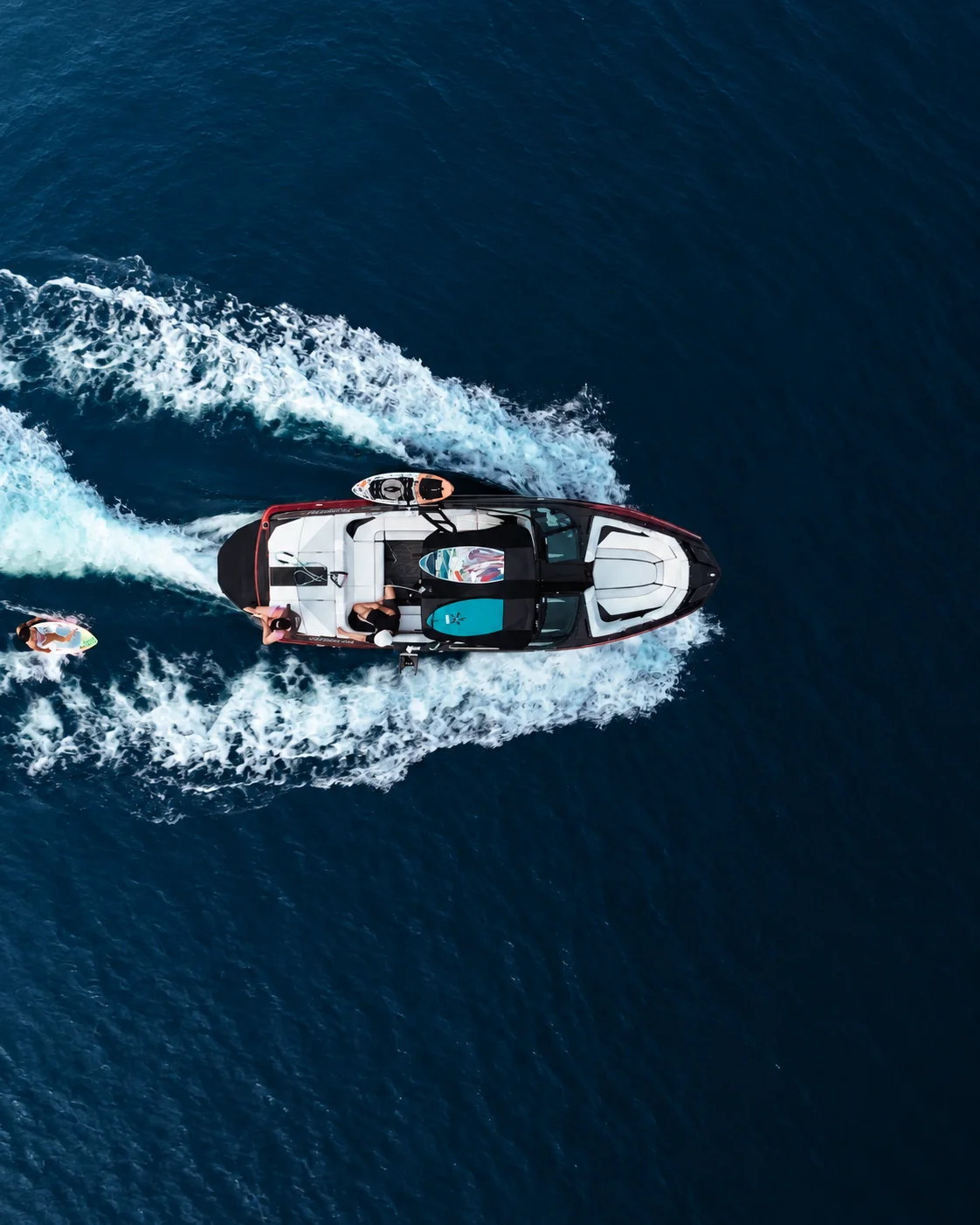
As catalogue examples, the Fountaine Pajot MY.5 lists an 18-knot cruising speed and the Rizzardi IN FIVE lists 38 knots. They are examples of visible LYRA fields, not a suggested head-to-head shortlist. Their different sizes and arrangements mean a buyer should first define the relevant segment, then compare candidates that answer the same ownership brief.
What the result should say
At the end, the owner should be able to describe the difference in time on their actual routes, the conditions under which each yacht can deliver its expected pace, and how much they enjoy being aboard at that pace. If a faster model opens up places they have long wanted to visit regularly, speed has earned its importance. If both make the favourite days equally easy, the decision can be guided by the spaces, handling and atmosphere the owner prefers.
That is a more useful outcome than an isolated ranking of maximum speeds. LYRA's selection approach asks what the yacht will allow its owner to live. A journey-based comparison turns published knots into time with people and places that matter.