Two yachts can display the same litres-per-hour figure and still use different amounts of fuel to reach the same destination. If one covers more distance in that hour, its route total may differ. A fair comparison therefore begins by attaching every consumption rate to the speed at which it applies. The owner is choosing a way to make a journey, not a number isolated from movement.
LYRA pages can display Average Fuel Consumption and cruising-speed fields. Their presence is helpful, but the public fields may not say whether the two values refer to the same tested condition. A buyer should avoid combining them into a precise route estimate without confirming the underlying measurement basis for the exact yacht and propulsion package.
Hourly and distance measures answer different questions
Litres per hour tells the owner how much fuel is being used as time passes at a stated operating point. Litres per nautical mile asks what is used to cover distance at that point. If both speed and fuel flow are known for the same condition, dividing the hourly rate by knots gives an illustrative per-mile rate. Change speed and the rate may change too; the calculation must be repeated with valid data at the new point.
For example, at a hypothetical 15 knots and 150 litres per hour, the arithmetic is 10 litres per nautical mile. At 25 knots and 200 litres per hour it is 8 litres per nautical mile. These are invented numbers to show the method, not observations about any LYRA yacht or a claim that faster operation is generally more efficient. The real fuel curve can take a very different shape for a particular hull and engine package.
The comparison should also separate propulsion from other consumption aboard. A day involving time at anchor may include generator use; a trip with a tender may need its own fuel provision. One headline average cannot capture the entire ownership pattern. The right boundary depends on whether the buyer is comparing passage fuel, a day aboard or a season of mixed use.
Compare a shared journey
Choose a route that both yachts might genuinely make. Record its distance and the pace the owner would choose in each yacht. Use builder or measured consumption information at those respective speeds, with load and conditions noted. From there, calculate passage hours and fuel for each candidate. The result becomes useful because it is tied to the same destination and a plausible operating decision.
If one yacht would make the trip much more quickly, the buyer can see that advantage beside its fuel implication rather than conceal it in a single efficiency ranking. Another yacht may offer a more relaxed passage that the owner values. Both outcomes can be attractive; the comparison should show the choice clearly.
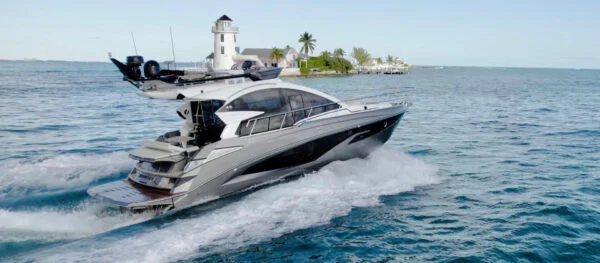
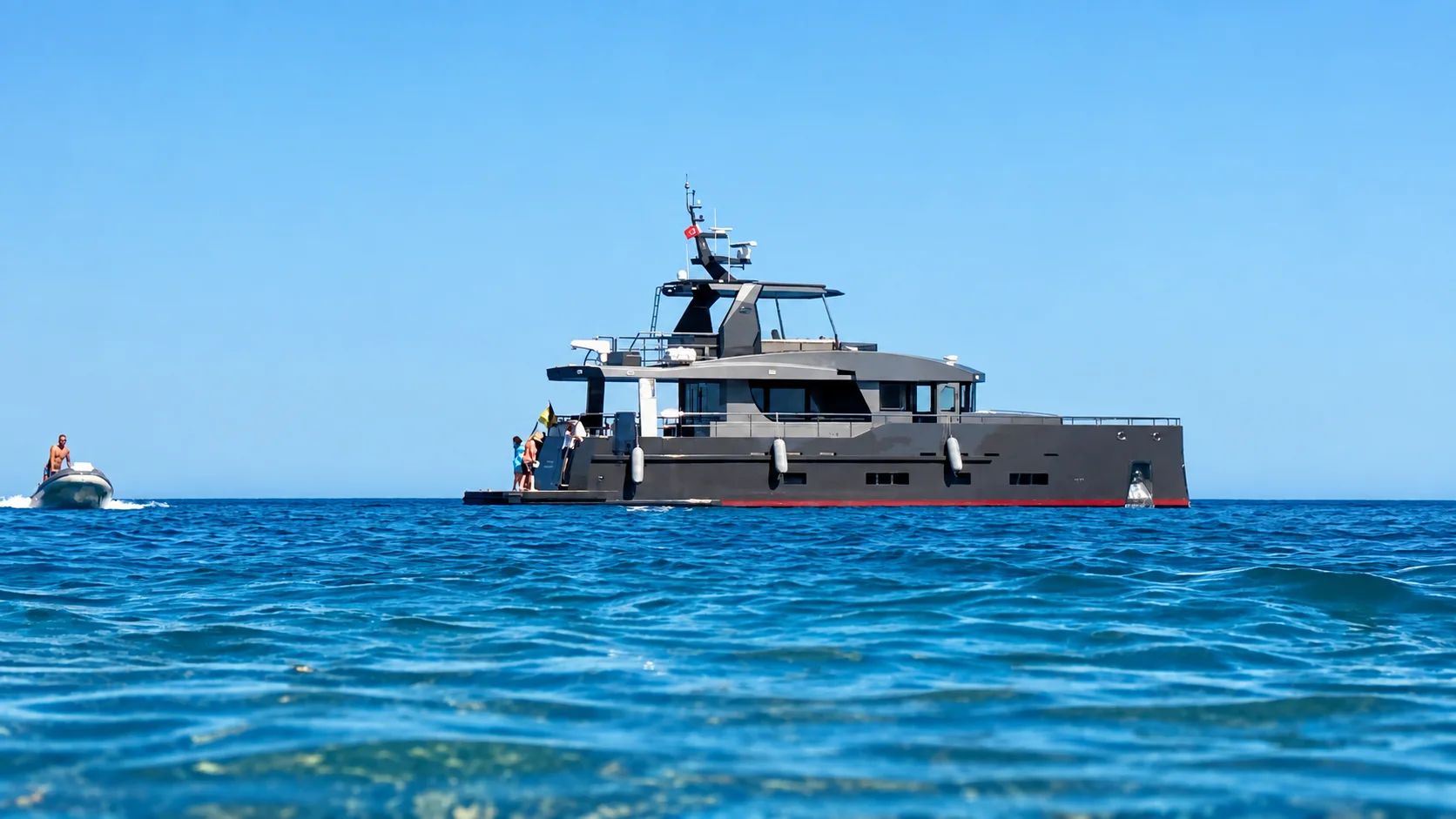
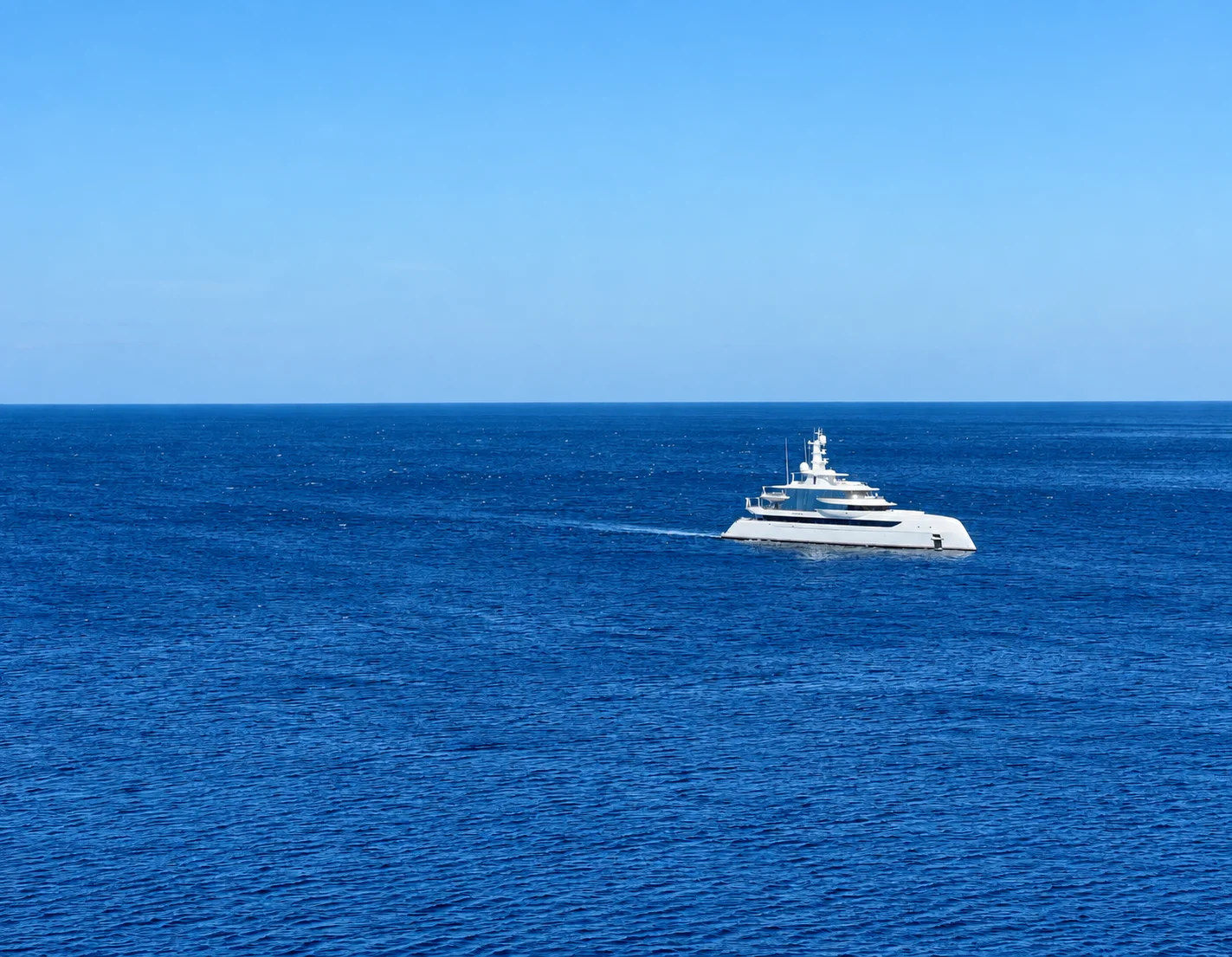
LYRA's Cobrey 42/45 FLY and Numarine 22XP are examples of pages showing fuel-use and speed fields. They are not direct shortlist recommendations. Their different hulls, sizes and intended experiences mean the owner should look across an appropriate segment and obtain relevant data for each candidate, rather than infer a winner from the displayed L/h values.
Keep the evidence and the pleasure together
A concise comparison can show each yacht's installed package, chosen speed, documented fuel flow at that speed, route time, estimated passage fuel and the conditions behind the evidence. Where data is missing, leave the figure open instead of filling it with a plausible guess. A qualified captain or technical adviser can check fuel and reserve planning for the owner's intended route.
The final question is whether the journey itself feels right. LYRA's selection approach brings technical information back to the owner's life. A fuel comparison earns its place when it helps a buyer choose the travel rhythm they will look forward to repeating.