There is a particular satisfaction in leaving port with the yacht prepared for several days. Fuel and fresh water make that freedom practical, but the two tank figures describe different resources. Fuel supports propulsion and often other onboard systems. Fresh water supports the people living aboard. A yacht may carry generous quantities of one and need a more careful plan for the other.
LYRA's catalogue includes a fuel-capacity range in its technical filters; individual model pages can show both fuel and water capacity. These are nominal figures for a described model, not an automatic number of days or miles away from shore. Their meaning depends on the exact yacht, how it is equipped and how its owner intends to use it.
Fuel describes stored energy, not a promised journey
A fuel tank's listed volume provides a storage boundary. Travel distance emerges only when that volume is connected to consumption at a particular speed, the route, operating conditions and an appropriate reserve. A yacht that can travel comfortably at several speeds may use fuel very differently at each one. Its published range, if present, should be read with the conditions that produced it.
Usable fuel can also differ from the nominal tank volume. The vessel's tank arrangement, the way it is measured and its operating guidance matter. A captain or technical adviser can establish a passage plan for the particular yacht. For a buyer, the first step is simpler: recognise that a large tank is an invitation to investigate capability, not proof of a particular route.
The capacity field is especially useful when the owner imagines visiting places with fewer convenient refuelling points. It helps identify models that merit closer technical review. A smaller-tanked yacht might serve a different cruising rhythm beautifully when reliable facilities are part of the route.
Water describes life between replenishments
Fresh-water capacity follows a different clock. The number of people aboard, the length of their stay and their use of showers, galley and laundry all influence how long the supply lasts. A watermaker, where fitted, can change the plan, but its output, power needs and operating conditions must be understood for the specific yacht. It is not an invisible addition to the tank size.
This is why a family's week at anchor and a couple's weekend aboard can lead to different conclusions about the same water tank. Neither conclusion follows from litres alone. The owner should picture the actual group and the level of comfort they expect, then ask how the yacht replenishes its supply along the chosen route.
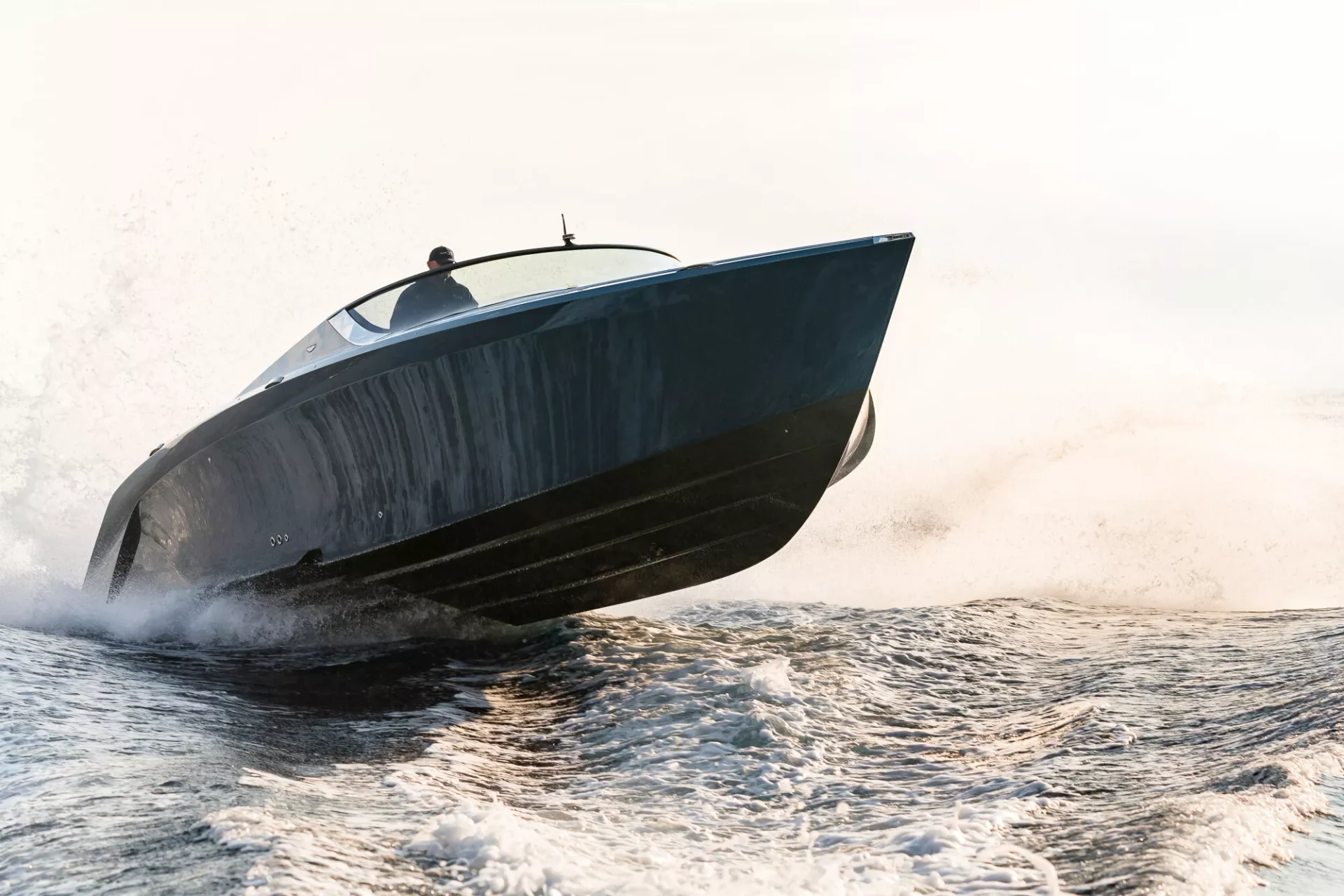
LYRA model pages provide examples of the fields: Aston Martin AM37S and Canados Gladiator 961 Speed show fuel and water capacity in very different yacht segments. They illustrate what is recorded, not a proposed head-to-head comparison. A relevant shortlist must first reflect the owner's desired type, size and use.
The pleasure of being prepared
A useful ownership plan puts both capacities beside their likely use and the places where supplies can be renewed. It distinguishes a weekend close to home from a longer passage or a quiet stretch at anchor. As the itinerary becomes more specific, the buyer can request usable-volume information, fuel-consumption evidence, water-system details and a route plan appropriate to that yacht.
This planning has a positive purpose. It gives an owner more confidence to extend a stay, change an anchorage or invite family aboard. LYRA's approach to choosing a yacht connects the figures to the life they enable. Fuel and water capacity are valuable not because bigger is always better, but because together they help make that life reliably available.