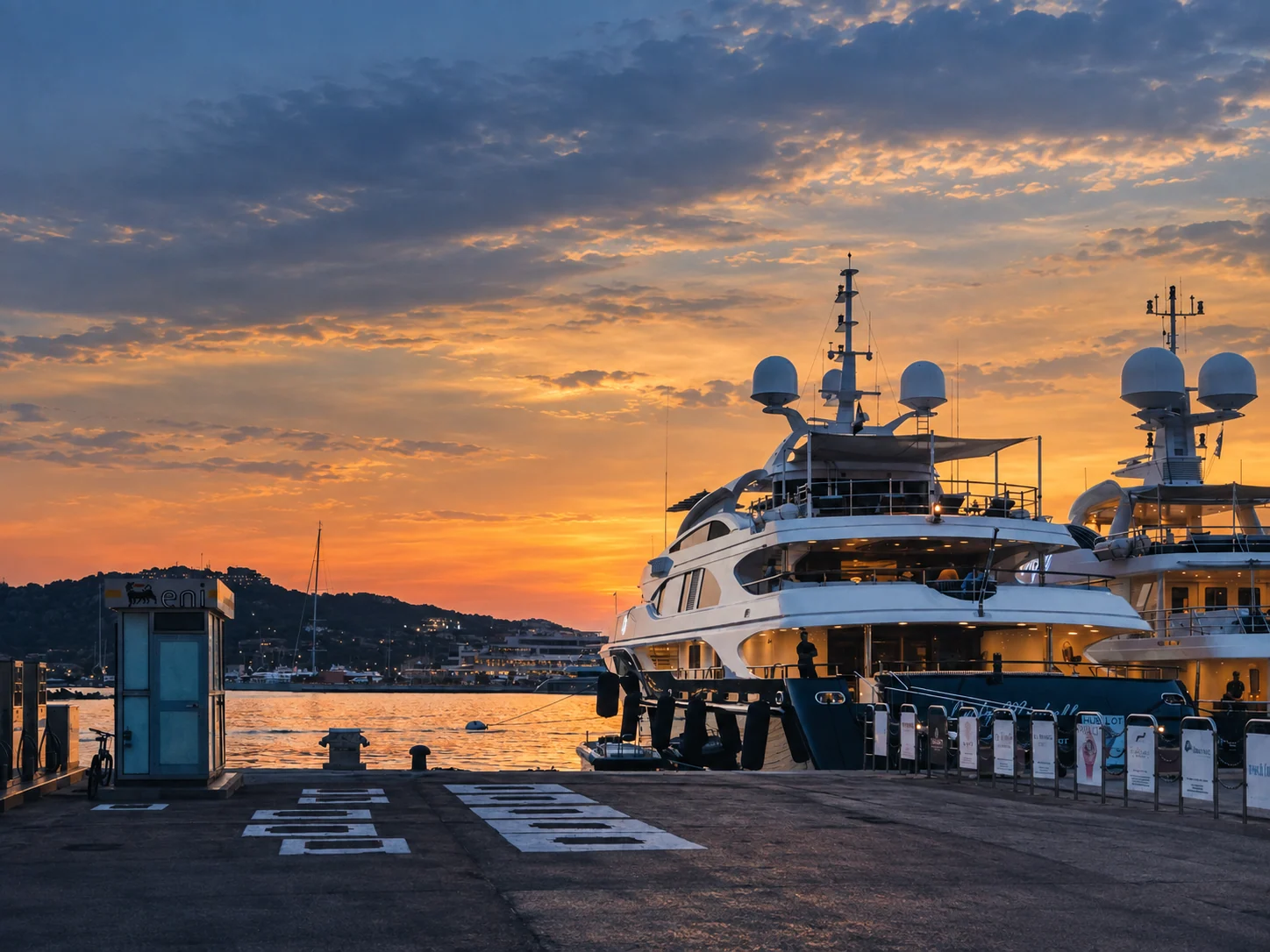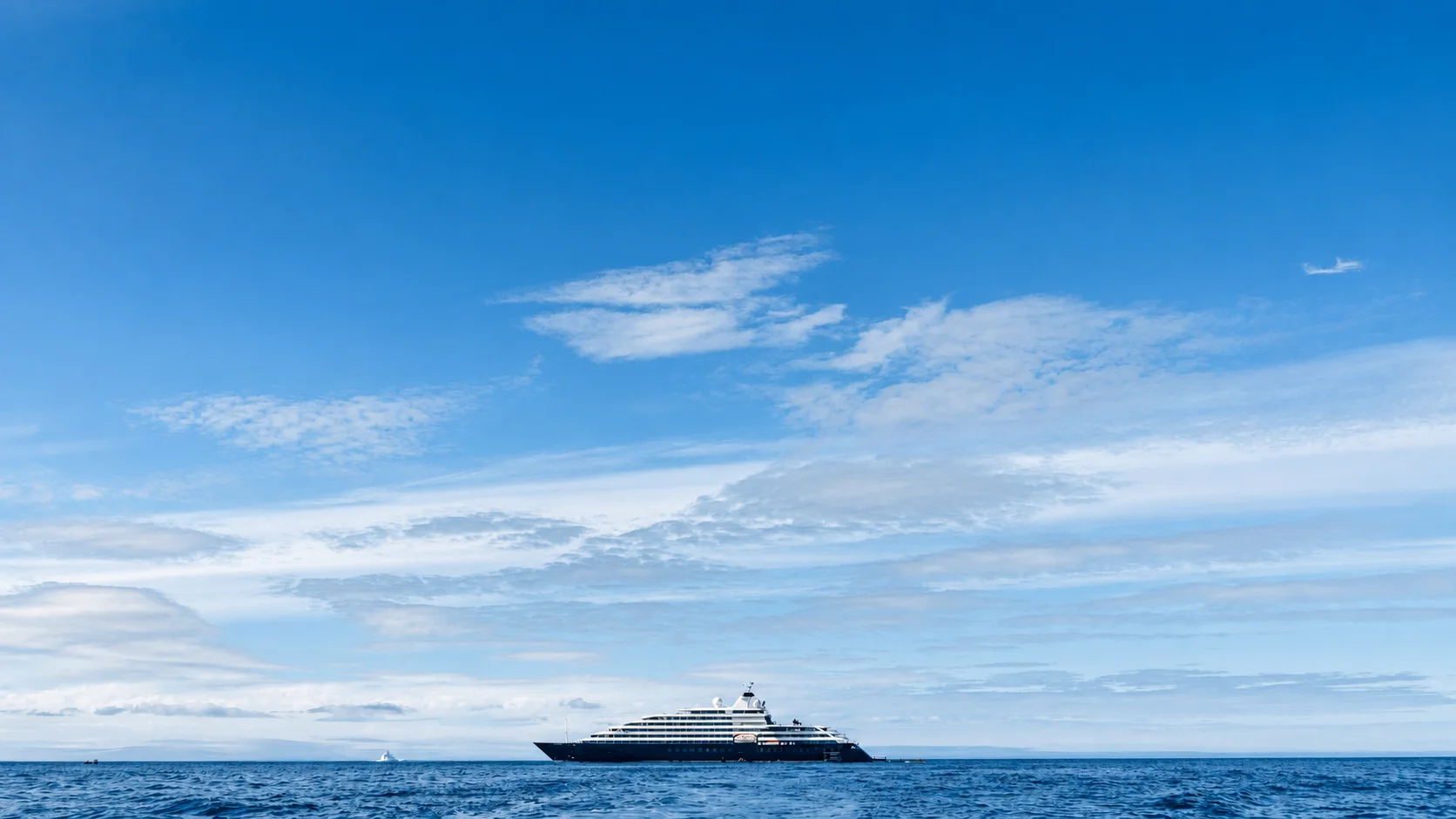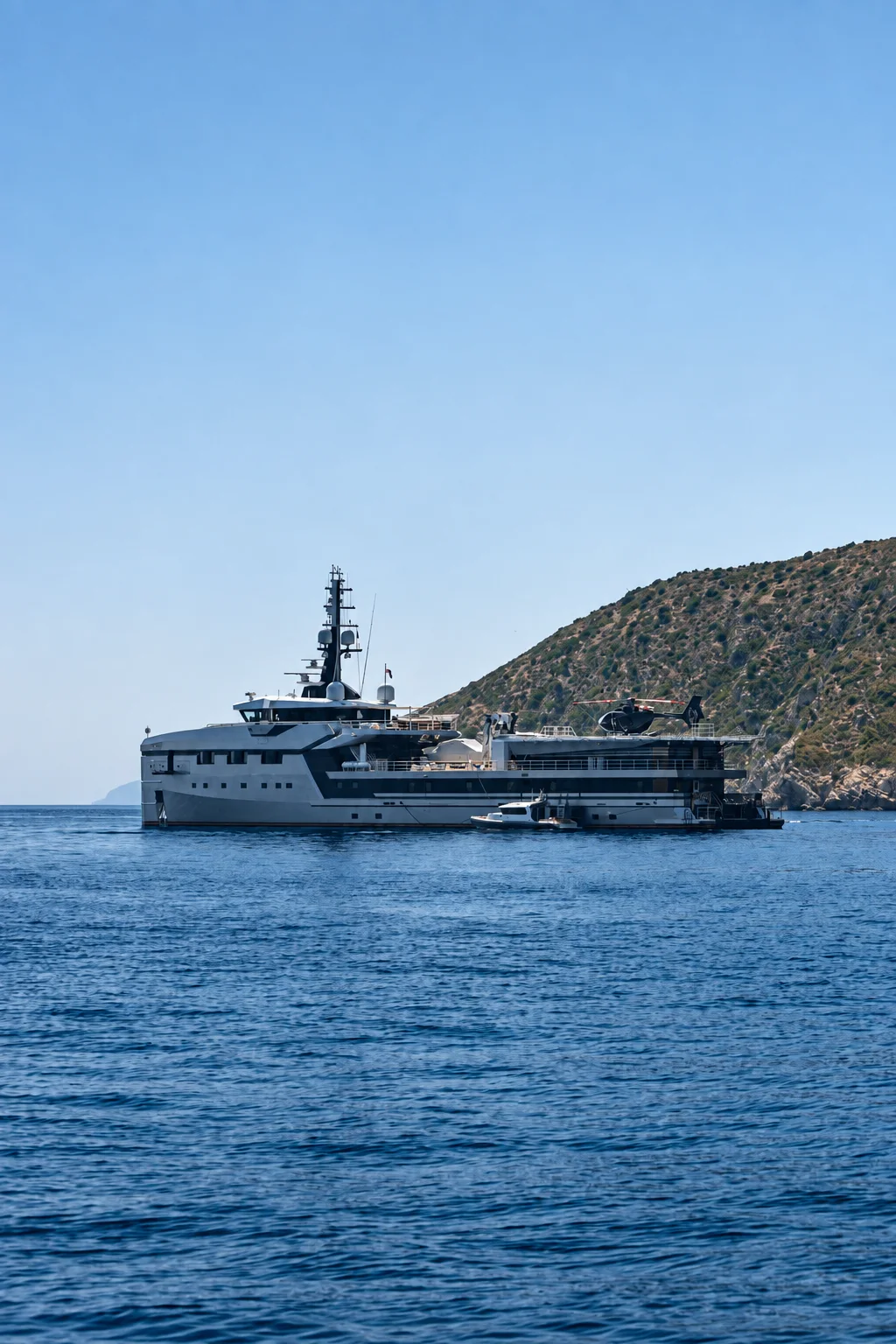
On the third day of a quiet stay at anchor, an owner may still have ample fuel for the passage home while fresh water has become the practical limit. Another yacht could reverse the picture: comfortable water provision, but a refuelling stop built into the route. Comparing tank capacity is really a comparison of where each yacht asks the owner to pause, replenish or change the plan.
The LYRA catalogue shows fuel capacity and, on model pages, water capacity. Those figures help bring relevant yachts into view. The interesting comparison begins once the owner knows the journey: how far the yacht will travel, how many people will stay aboard, where they want to stop and which harbours are part of the pleasure rather than a logistical interruption.
Find the first constraint in each candidate
Imagine the same four-night trip on two yachts: an outbound passage, several days at anchor and a return. Yacht A's published fuel tank looks generous, but its water arrangement may require a visit ashore before the owner intended. Yacht B may support the stay more comfortably yet need a fuel stop on the outward leg. Neither is automatically less capable. They offer different rhythms, and the owner can decide which rhythm feels more natural.
This is why the comparison should describe two routes, not two tank volumes. The first route is the owner's ideal itinerary. The second is the itinerary each yacht can support after the relevant technical assumptions are checked. The gap between those routes reveals what a larger tank, a different operating speed or a water-making system would actually change.
The example is illustrative, not a claim about any listed yacht. A captain or qualified technical adviser must establish usable fuel, appropriate reserves, real consumption and water-system performance for the exact boat and voyage. The catalogue numbers are not a passage plan.
Replenishment can be part of the experience
A stop is not always a compromise. Some owners enjoy arriving at a harbour in the middle of a week, dining ashore and setting off again with full supplies. For others, remaining at anchor is the point of the journey. The same pair of yachts can be judged differently once that preference is known.
Look at where replenishment is realistically available along the intended route. A yacht may have enough fuel for the whole journey but still need fresh water before the owner wishes to move. Another may have a watermaker that changes the pattern, provided its installation, output, power needs and maintenance are confirmed. Those details are technical, but their consequence is human: whether the owner can keep the day as they imagined it.
An owner who expects frequent changes of anchorage may see autonomy differently from one who settles in one bay for several days. Tank figures help, but the pattern of movement and the facilities along the way determine how the supplies become usable freedom.
Choose the freedom that matters
The outcome of a comparison should be easy to picture. On one yacht, the planned stay includes a welcome harbour visit. On another, it may remain uninterrupted, with the technical systems and reserves properly established. A buyer can prefer either experience without pretending that the largest number on the page must decide.
The LYRA selection approach keeps technical comparisons attached to the journey an owner actually wants. Tank capacity earns its place when it clarifies where that journey can unfold and what support will keep it comfortable. Real autonomy is not a trophy measured in litres; it is the freedom to enjoy the intended trip with its supply decisions already understood.