A range figure invites a buyer to draw a line across the chart. It can make a new destination feel close before the yacht has even been chosen. The number is valuable, but it describes a distance associated with an operating basis—not a guarantee that every crew, load, speed and sea state will produce the same result. Its real meaning emerges when the owner asks how that distance was established.
LYRA's catalogue includes a cruising-range control, and model pages may publish range in nautical miles. That lets an owner explore yachts with different stated reach. It does not show from the field alone which engine package, fuel allowance or speed underlies each result. Those details belong in the next stage of the search.
Distance depends on pace
One yacht can cover different distances on the same fuel load depending on how it is driven. The owner may prefer a lively crossing to a nearby island and a more measured pace on a longer leg. Range should therefore be attached to a particular operating speed, not treated as a fixed property that follows the yacht everywhere.
The available fuel also needs a clear definition. Listed tank capacity may not equal the usable quantity for voyage planning. A reserve must remain appropriate to the yacht and passage; weather, diversion options and equipment use can affect the plan. A captain or technical adviser can make those decisions for an actual route. A buyer can already understand why a catalogue range is a starting reference rather than the final passage calculation.
This distinction becomes especially useful when a yacht offers alternative propulsion packages. A range value associated with one version should not be attributed to another without evidence. The same caution applies to a pre-owned yacht whose condition or equipment has changed from the published model.
A model number is a beginning
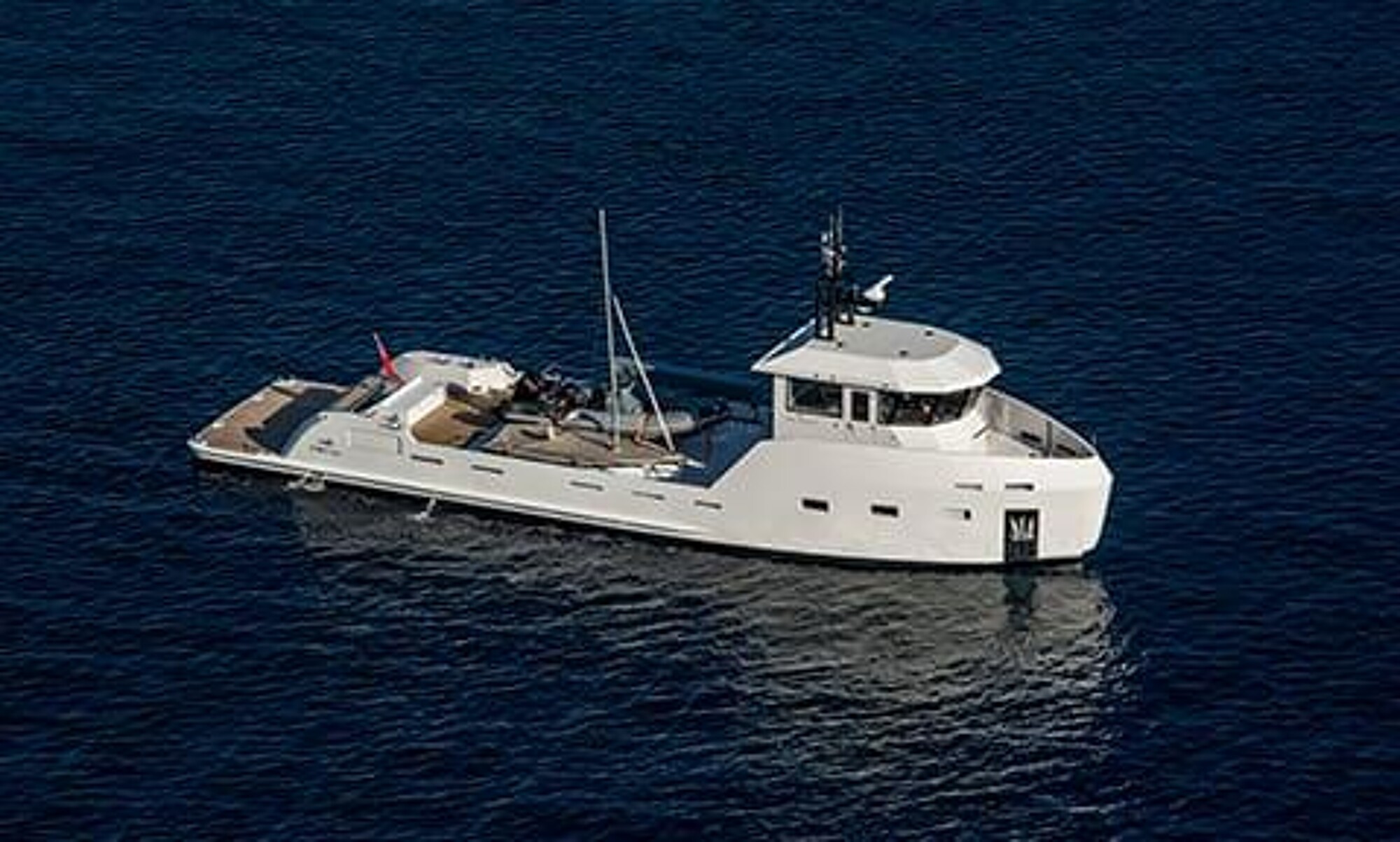
For example, LYRA lists a range field for the Lynx YXT 20 and for the Horizon PC60. These are examples of catalogue presentation, not alternative yachts recommended on the basis of one range figure. Their different hull forms, size and intended use make a raw ranking especially unhelpful.
For a serious candidate, ask what speed, load and reserve assumption accompanied the published range. Is the number supplied by the yard, calculated from other values or drawn from an operating record? The public page alone may not answer. A builder performance sheet, the exact specification and relevant trial or voyage evidence can turn a broad number into a more reliable planning tool.
The question is not whether the yacht can ever cover the stated distance. It is whether it can make the owner's intended passage at a pace they want to use, with the margin appropriate to that passage. A longer listed range may be irrelevant to a coastal owner who has excellent refuelling access; it may be central to an owner planning extended time between ports.
Put a destination beside the figure
The most engaging way to read range is to mark the places the owner hopes to visit. Measure the longest likely leg between reliable fuel stops, not simply the straight line to the most distant landmark. Consider the return, diversion possibilities and seasonal conditions. Then ask a qualified person to test the candidate yacht against that route.
This gives the figure an affirmative role. It helps a buyer see which yachts can support the travel they are excited to make, while keeping the assumptions visible. LYRA's selection philosophy begins with that future life. Range is useful because it connects a technical specification to real places, not because it makes the largest number the automatic answer.