Some owners buy a yacht with a full calendar already in mind: weekly outings, seasonal coastal travel and several longer visits each year. That ambition is one of the pleasures of ownership. It also makes fuel consumption more consequential, because the yacht will spend a meaningful number of hours in different operating modes. A good fuel plan supports frequent use without requiring the owner to improvise at every new port.
For this scenario, the useful pairing is consumption at the speeds the owner expects to use and the pattern of journeys across the season. LYRA model pages may display Average Fuel Consumption, but one hourly figure cannot represent every route or pace. It should lead to better questions about a yacht's operating profile, not become a crude ceiling on how much the owner should enjoy it.
Build the season from real days
List the kinds of days that are likely to recur. One might be a short run followed by hours at anchor. Another could be a steady coastal passage. A third may involve travelling at a higher pace to reach a distant event. The mix is specific to the owner; applying an average number to all three would obscure how the yacht is actually used.
This is when the fuel field becomes a selection parameter. If two otherwise suitable yachts invite different travel rhythms, consumption data at the intended cruise points can reveal what each rhythm requires. It can also prompt a conversation about where and how the yacht will refuel. That conversation supports the owner's freedom to use it frequently and confidently.
The basic calculation is not difficult: fuel flow over time, combined with the hours likely to be spent in each mode. The difficult part is choosing trustworthy rates for those modes. A published L/h field whose speed and load are unclear is not enough. Builder curves, the exact engine package, a relevant trial and operating records where available can bring the estimate closer to the yacht under consideration.
A practical reason to care early
Fuel may become a leading question when the owner intends to cover substantial distance through a season or operate in places where refuelling needs planning. It can also matter when the owner is deciding between a relaxed passage style and frequent faster runs. In both cases, the number connects directly to the planned life aboard.
For an owner whose use is mainly local afternoons, another factor may define the first shortlist: layout, access to the water or ease of handling, for example. Fuel still belongs in the ownership plan, but it need not displace the feature that makes the yacht enjoyable for that owner. The importance of the parameter rises with the actual programme, not with anxiety about operating cost.
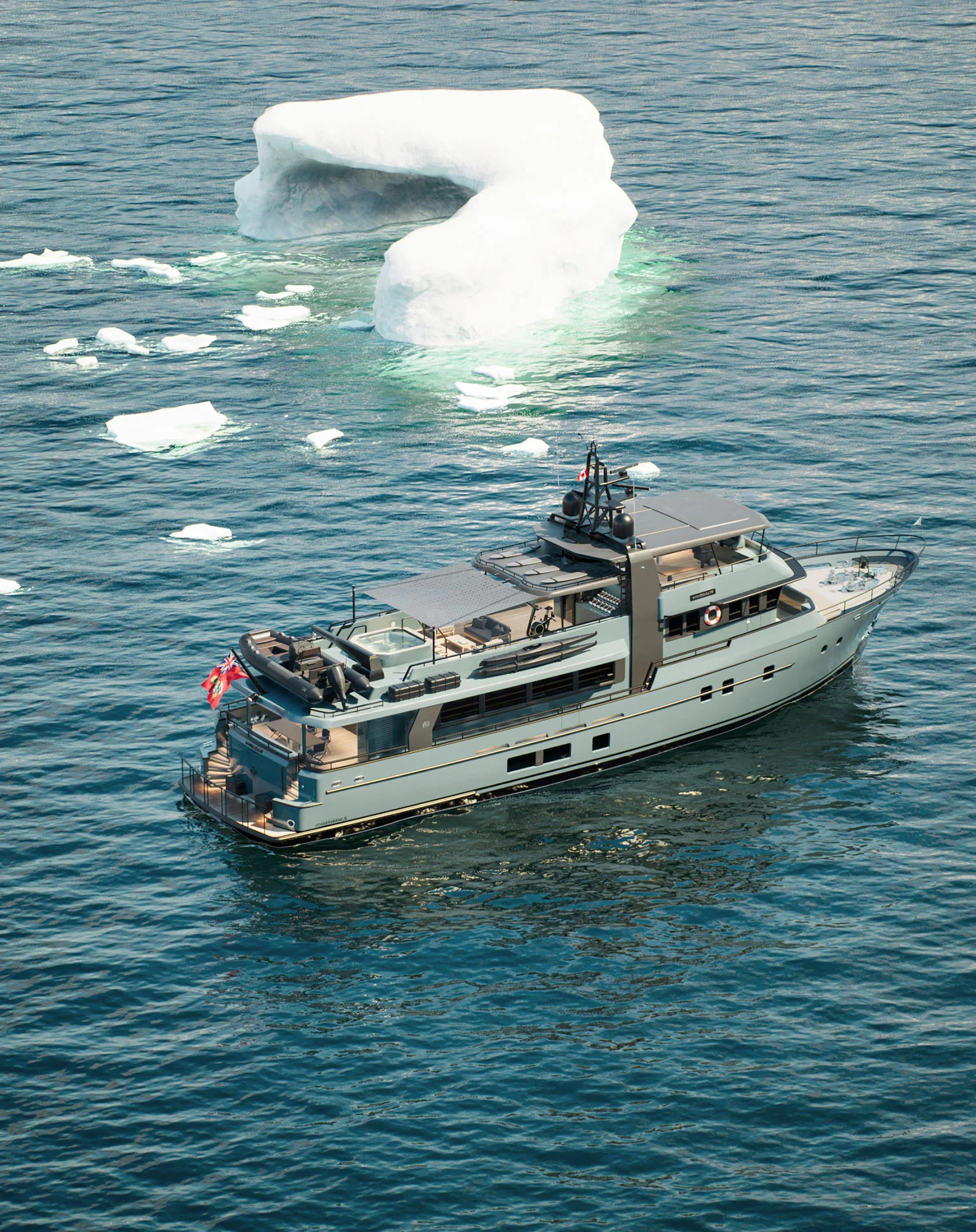
The Doggersbank 60′ Offshore and Brizo BY50 FLY Classic are examples of LYRA pages that display consumption and speed fields. They are not recommended as a pair. Their different sizes and designs show why a prospective owner should first choose a relevant yacht segment and then request configuration-specific operating evidence for candidates within it.
Turn fuel information into readiness
The result of this analysis should be an easy-to-use plan: likely cruise modes, expected operating hours, refuelling points and a sensible reserve determined for the yacht and route by qualified people. It should acknowledge that weather, hull condition and loading can change consumption. For longer or more remote passages, a captain or technical adviser can test the plan before departure.
The purpose is affirmative. A yacht that suits the owner's calendar should be ready to make those desired trips repeatedly. LYRA's selection framework places ownership lifestyle at the centre. Fuel consumption becomes key when understanding it allows the owner to live that lifestyle with ease, not when it is used as an argument against buying.