From the driving seat, the side deck can look very close. Stand up, turn towards it, and the journey may involve a raised threshold, a narrow gap beside the seat and a gate opening across your path. These details become especially interesting when you expect to handle the yacht with limited help. They determine how the spaces connect during one of the most frequently repeated parts of ownership: leaving and returning to the berth.
Single-Handed Operation and a focused length range help identify yachts to explore. The physical question then becomes personal: how do you move between the controls and the working positions identified by the professional assessing your intended role?
A short distance can contain several obstacles
A clear route has room to stand, turn and pass without reorganising the cockpit. Its value becomes apparent when the yacht is furnished for use. Seat backs, an open refrigerator lid or a bag beside the helm can make a generous-looking passage feel very different. During a viewing, the furniture should therefore resemble the arrangement you expect to keep while arriving in port.
Look at changes of level as well as width. A step with an obvious handhold creates a different movement from one that requires you to turn sideways and search for support. The threshold of a helm door deserves the same attention. Where the door opens, where it rests and whether it interrupts the side deck all affect the route.
Personal proportions matter here. Two owners can find the same opening quite different, particularly when one is taller or less comfortable stepping over a coaming. Walking the route yourself gives the assessment a useful precision that a deck plan cannot supply.
Keep the berth in the picture
The relevant destination depends on how the yacht will normally lie alongside. A stern-to berth, a finger pontoon and a long side berth place different parts of the deck next to the shore. Bring photographs of the intended berth to a viewing. They help explain which side matters, where shore access will be and which passages deserve particular attention.
This is a discussion to have with the professional demonstrating the yacht. Ask them to explain the working positions relevant to the intended berth. A stationary walkthrough can reveal the layout; the responsible professional should determine the scope and conditions of any further demonstration involving the boat's operation.
Bring the route observations into the discussion of responsibilities. The person assessing the actual programme should establish who occupies the relevant positions and what assistance is required during an arrival or departure. That gives the buyer an understandable relationship between the layout and the proposed team. The viewing supplies observations about space; the professionally assessed operating arrangement assigns the roles for its actual use.
Visibility belongs in the discussion too. From the normal helm position, identify what you can see of the relevant side and stern. Then consider how the view changes as you move towards the exit. A side door can bring the deck close to the controls, while an elevated helm may offer a wider view and a longer journey downstairs. Each arrangement has a character worth experiencing.
What length contributes to the choice
In the LYRA catalogue, a focused length range keeps comparisons useful. A search around 12–18 metres, for example, can bring together yachts an owner might reasonably explore for involved, hands-on use. Single-handed suitability then adds a second way to refine that selection. Your experience and the proposed operating arrangement determine which candidates deserve a demonstration.
Length contributes to distances aboard, but beam, helm position and deck organisation shape the actual journey. A shorter yacht with an indirect route can demand more movement than a longer yacht with immediate side access. The rewarding comparison is therefore between complete arrangements within your chosen size range.
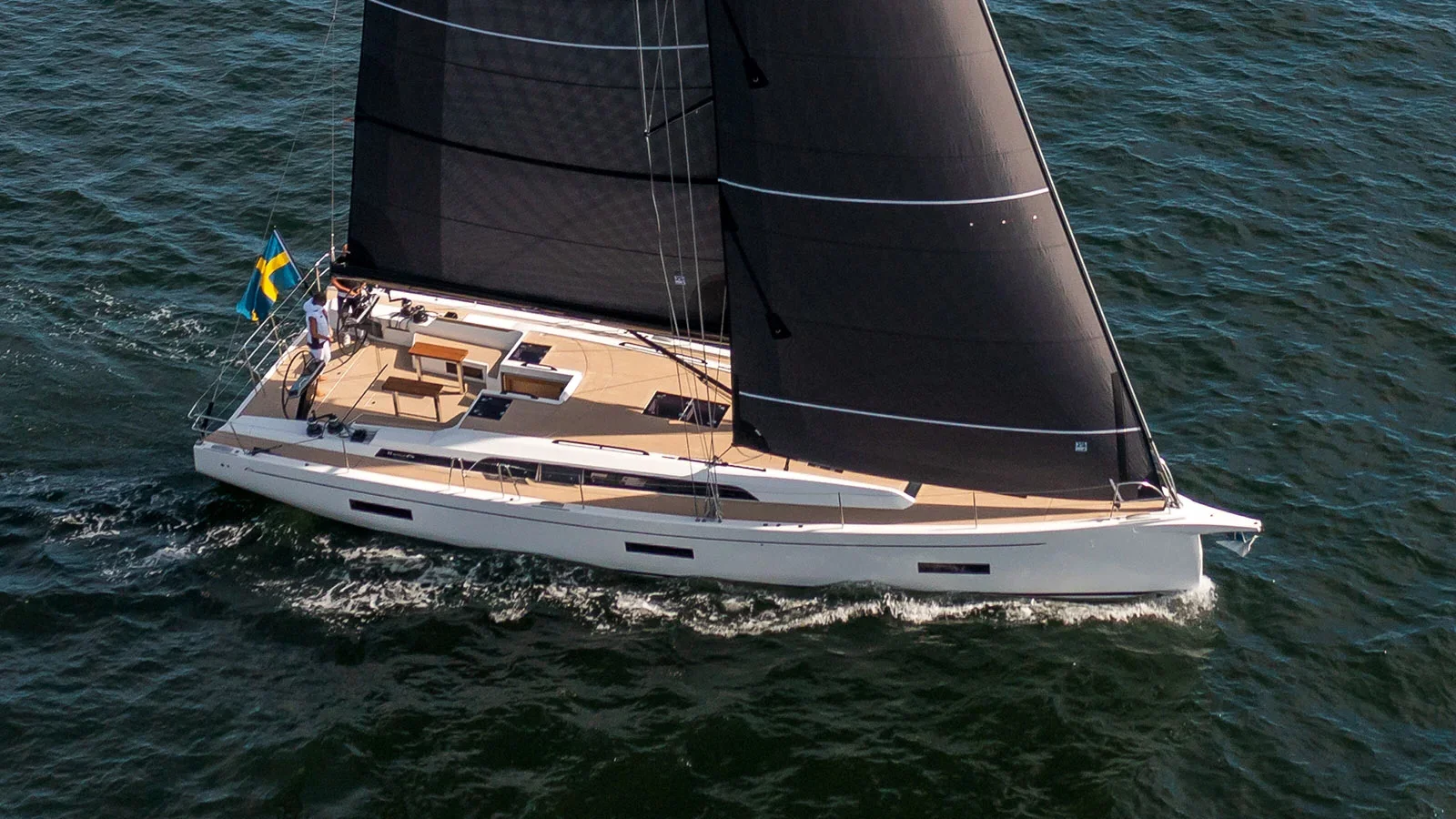
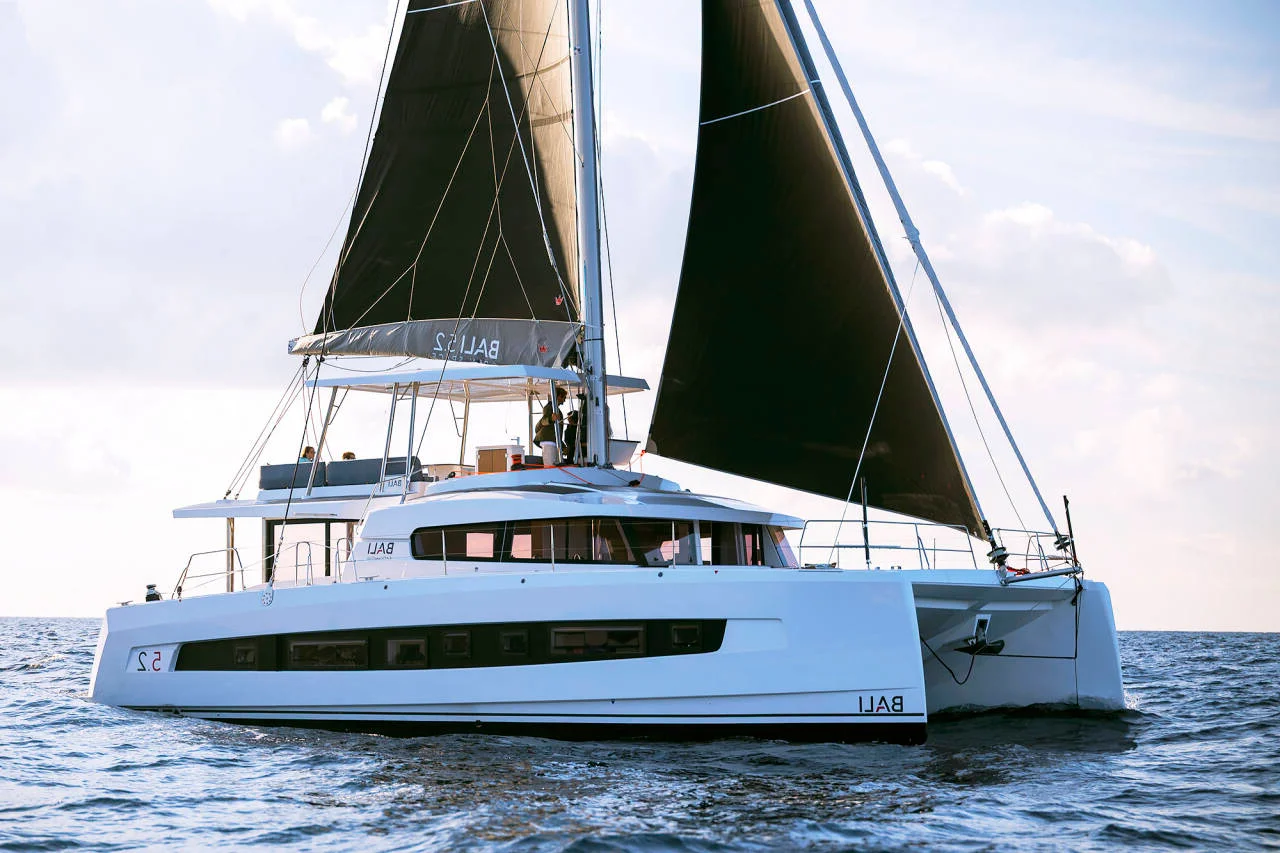
Catalogue examples: the Bali 5.2 and NEEL 52 are both listed at 15.9 metres and marked for single-handed operation. Their catamaran and trimaran layouts provide examples of different deck geometries at a similar length. These entries make useful starting points for a physical comparison; they do not establish a particular owner's ability to manage a berth alone.

Give both people a useful place
Limited help often means a partner joins you, although their experience may differ from yours. A successful layout gives that person somewhere purposeful to stand, a clear route and an understandable task agreed with the skipper. Where two people need to pass each other, check whether they can do so comfortably around the helm furniture.
Consider what happens after arrival as well. You may return to the cockpit, open a side gate for guests and carry belongings ashore. A route that remains convenient through these ordinary actions helps the yacht settle naturally into your routine. The same passage serves you repeatedly throughout a season.
When comparing viewings afterwards, describe the movement in plain words: direct side access, one manageable step, an easy turn, space for a second person. These observations are more useful than remembering a general impression of manoeuvrability. They explain why one layout feels especially well suited to you, and help turn the pleasure of taking the helm into a comfortable part of regular ownership.