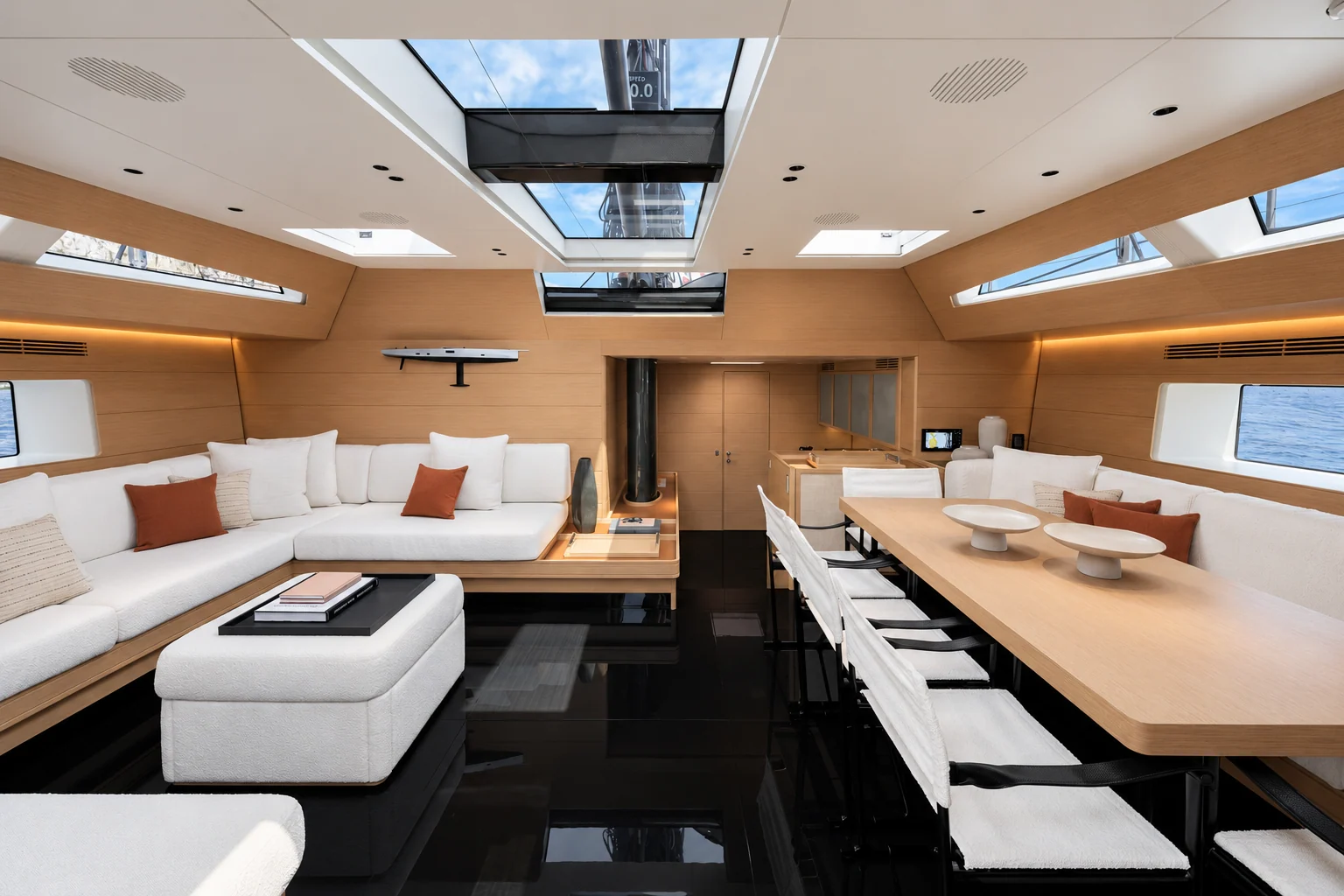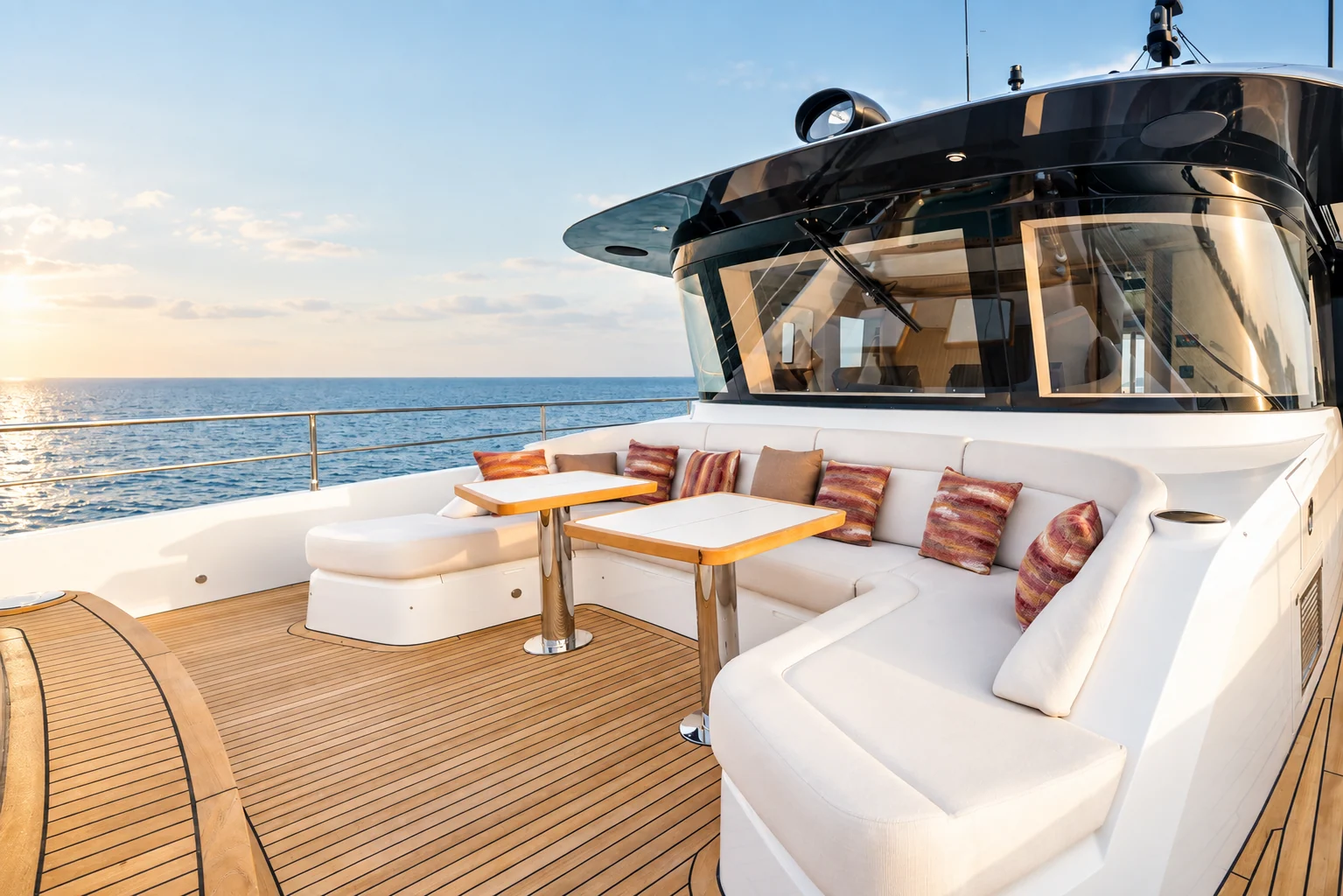
A viewing gives a buyer many details to remember: the table they liked, a cabin arrangement and a question about the equipment in the offer. A clear record can preserve those observations for a later comparison. When the yacht is already part of someone else's life, that record should focus on the vessel within the access and recording arrangements agreed for the visit.
Model identity and Liveaboard suitability frame the catalogue side of this question. The buyer wants to understand a particular yacht as a place they might enjoy using. Notes and any permitted images should support that purpose, with private belongings and unrelated information kept outside the record.
Agree what the visit allows you to record
The representative should explain the owner's arrangements for access, photography and other recording before the relevant material is collected. The buyer should follow those limits, with any uncertainty addressed through the person coordinating the viewing. The scope may differ between rooms or kinds of information.
A useful record can be prepared in several ways. Written observations, the supplied plan and approved equipment details may answer many purchase questions. Where images are permitted, their purpose should be clear and related to the yacht being assessed.
This keeps the process comfortable for the people involved. The buyer can preserve the information needed for the decision, while the existing owner's personal space remains respected through the agreed arrangement. The viewing has a defined subject and an appropriate record of it.
Give every observation a clear yacht identity
Record the model and offered version alongside the relevant plan or specification. The representative should make clear how the viewed vessel relates to the proposal. This helps avoid attaching an attractive feature from one configuration to a different yacht in the comparison.
In the LYRA catalogue, Model identifies the design being explored. The actual vessel and supplied documents give the purchase its next level of detail. Keep those references together so the later review remains understandable.
The notes can then be specific: the view from a particular seat, the route beside a cabin or the equipment item that needs clarification. Concrete observations are easier to use than a collection of general impressions. They give the adviser and relevant specialists something precise to address.
Where a point remains unconfirmed, retain it as a question. A buyer's impression and the representative's explanation have different roles from a technical finding or confirmed specification. Keeping those distinctions visible makes the record more useful as the purchase progresses.
Record the room's function
An occupied yacht can reveal how storage and circulation work in ordinary life. The buyer can note the relevant allocation and route without recording personal possessions or identifying information. The representative can explain which spaces may be demonstrated and how the actual room is used.
For example, a note can identify the permitted cabin and compartment shown, then record a question about its allocation in the offer. It can distinguish what the representative confirmed from what still needs clarification. The useful detail is the storage function and its relationship with the room. That gives the next conversation a precise reference while the record remains concerned with the yacht being assessed and the company you intend to bring aboard.
Liveaboard suitability in the catalogue introduces the sustained-use question. During the visit, the useful subject is how the proposed occupants could live in the rooms: where belongings would go, how people move and which facilities serve them. The current owner's private habits are separate from that purchase assessment.
If an image is appropriate and permitted, frame it around the relevant feature under the agreed process. Personal documents, devices and unrelated details should be kept outside the material collected. The buyer can ask the representative for an authorised drawing or product image where that better serves the question.
The same care applies when sharing the record with advisers or family members. The material should have an appropriate audience and purpose, within the arrangements governing the visit and any applicable professional requirements. The buyer should know who needs the information and why.
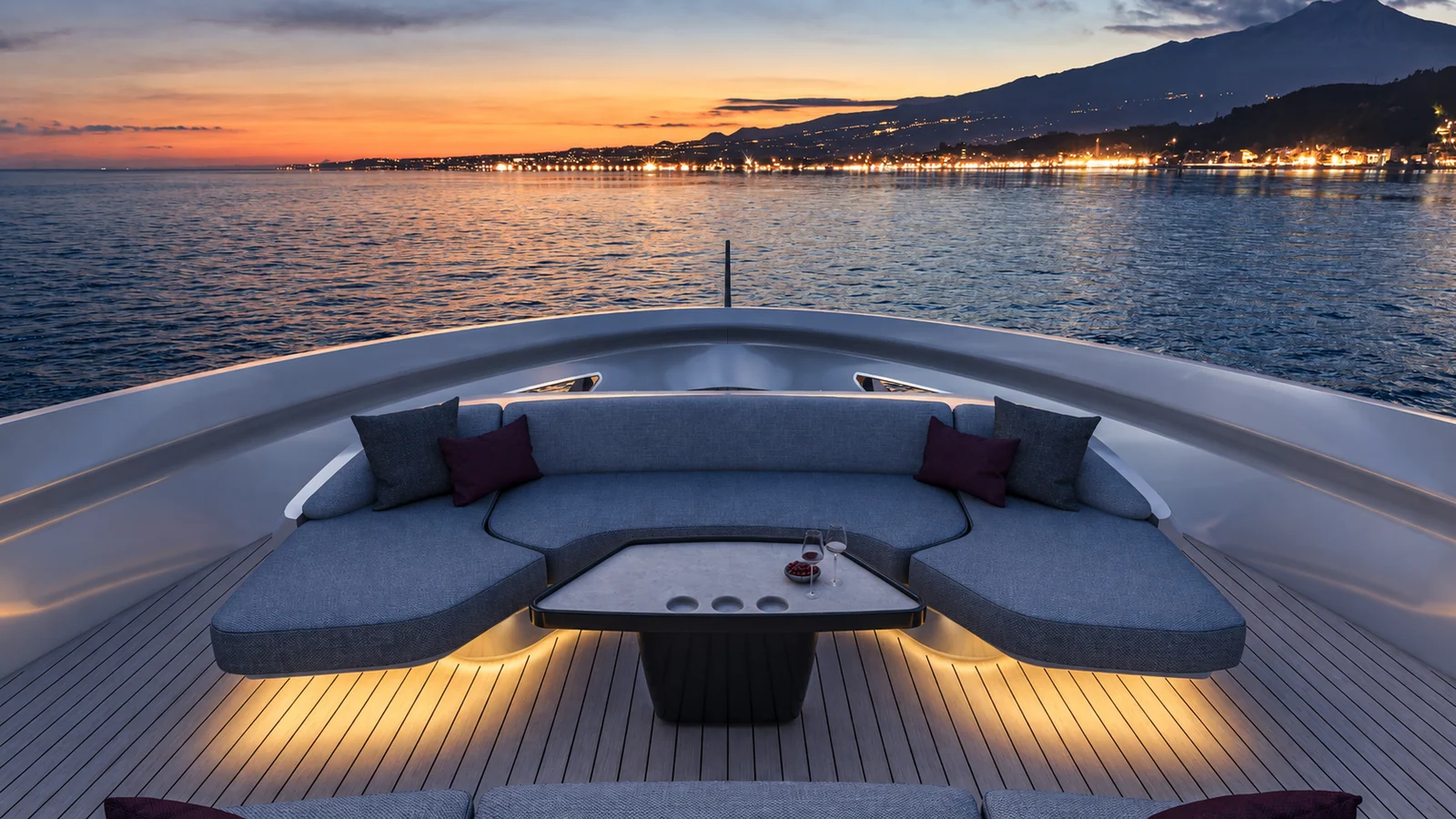
Turn the record into a useful next conversation
After the viewing, organise observations around the decision. Which spaces suited the intended company, which equipment details need confirmation and what remains for the professional review? The actual plan can provide a clear reference for each point.
The condition and technical suitability of the yacht require their appropriate specialist assessments. The viewing record supports those conversations by identifying questions, while the qualified professionals provide the relevant findings. Personal comfort observations remain the buyer's contribution alongside that evidence.
Compare candidates through the same intended use. A clear note about a seat, cabin or route can explain why one layout appeals more strongly. The model identity and source of each observation should remain attached, so the comparison stays coherent.
An effective viewing record helps the buyer remember the yacht they are considering and the life they want aboard it. Prepared within the agreed boundaries, it preserves useful detail while respecting the personal place the vessel already is. The next purchase conversation can then be both informed and considerate.