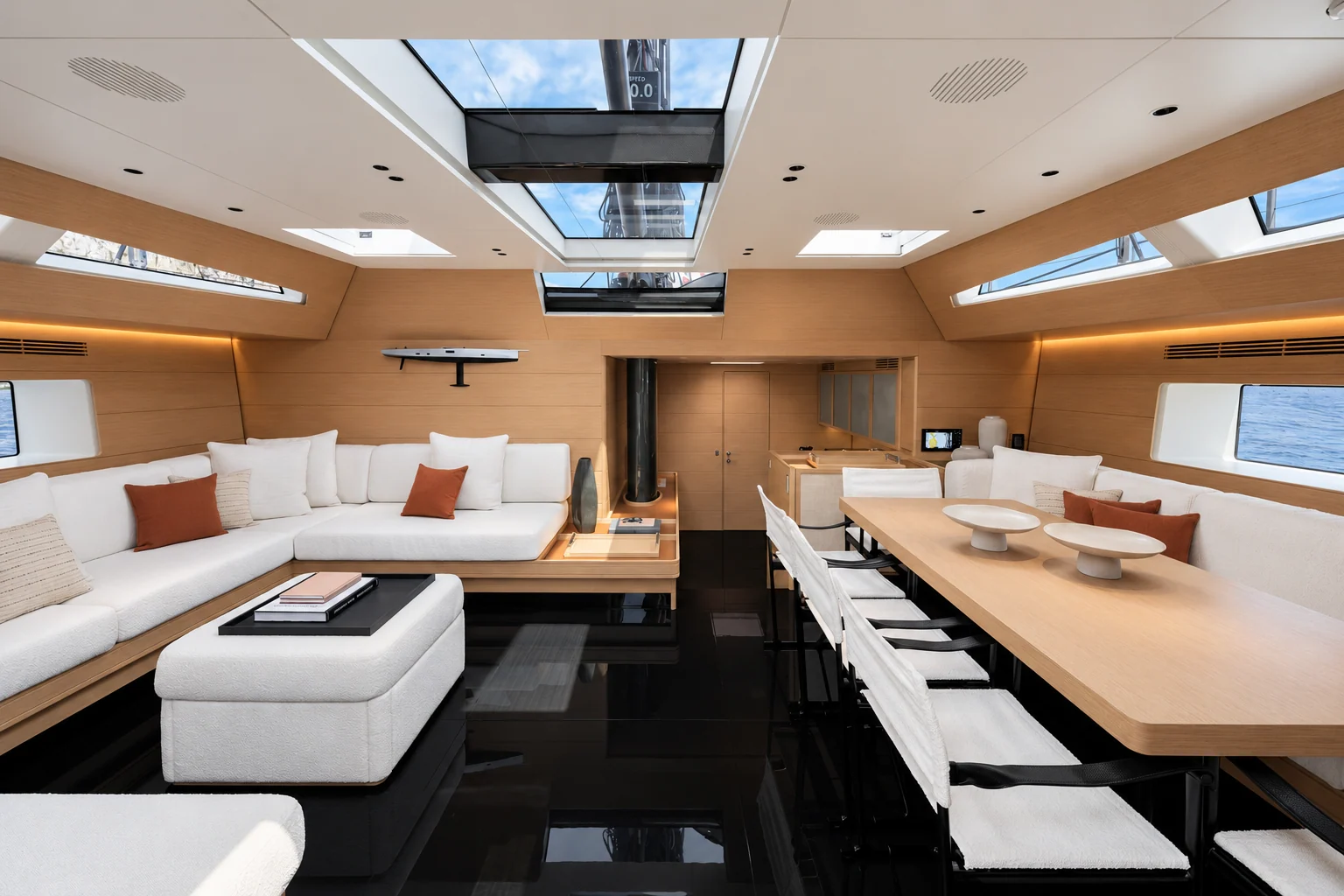
The galley may have played a modest role when you first bought the yacht. Then breakfasts became longer, friends began staying for lunch and cooking aboard became something you looked forward to. Experience has given the kitchen a more personal purpose. An update can build on that pleasure by arranging the room around the way you actually prepare food today.
The catalogue’s galley and liveaboard references help frame the intended use. For a yacht you already know, the most useful brief comes from following a familiar meal through the existing room.
Begin with the meal you keep returning to
Choose a lunch or dinner you genuinely enjoy preparing aboard. Describe where ingredients come from, which surfaces you use and how the food reaches the company. The sequence reveals the parts of the galley that already work beautifully and the points where an improvement would be welcome.
Storage often acquires a clearer meaning through this exercise. The drawer used while preparing a meal, the cupboard holding everyday dishes and the place for ingredients each support a repeated action. Their relationship can matter as much as the total amount of cabinetry. A useful proposal should show how the items you reach for regularly will fit into the new arrangement.
Keep the personal habit visible when discussing equipment. The appeal of a particular appliance comes from what you want to make with it and how often you will use it. Give the yard or designer that practical context so the proposed kitchen has a recognisable purpose beyond a longer equipment list.
Preserve the working space around the equipment
A kitchen needs room for preparation as well as the machines doing part of the work. Look at the surfaces available when the intended appliances and ordinary items are in place. The position where you chop, arrange dishes or set something down deserves a clear home in the layout.
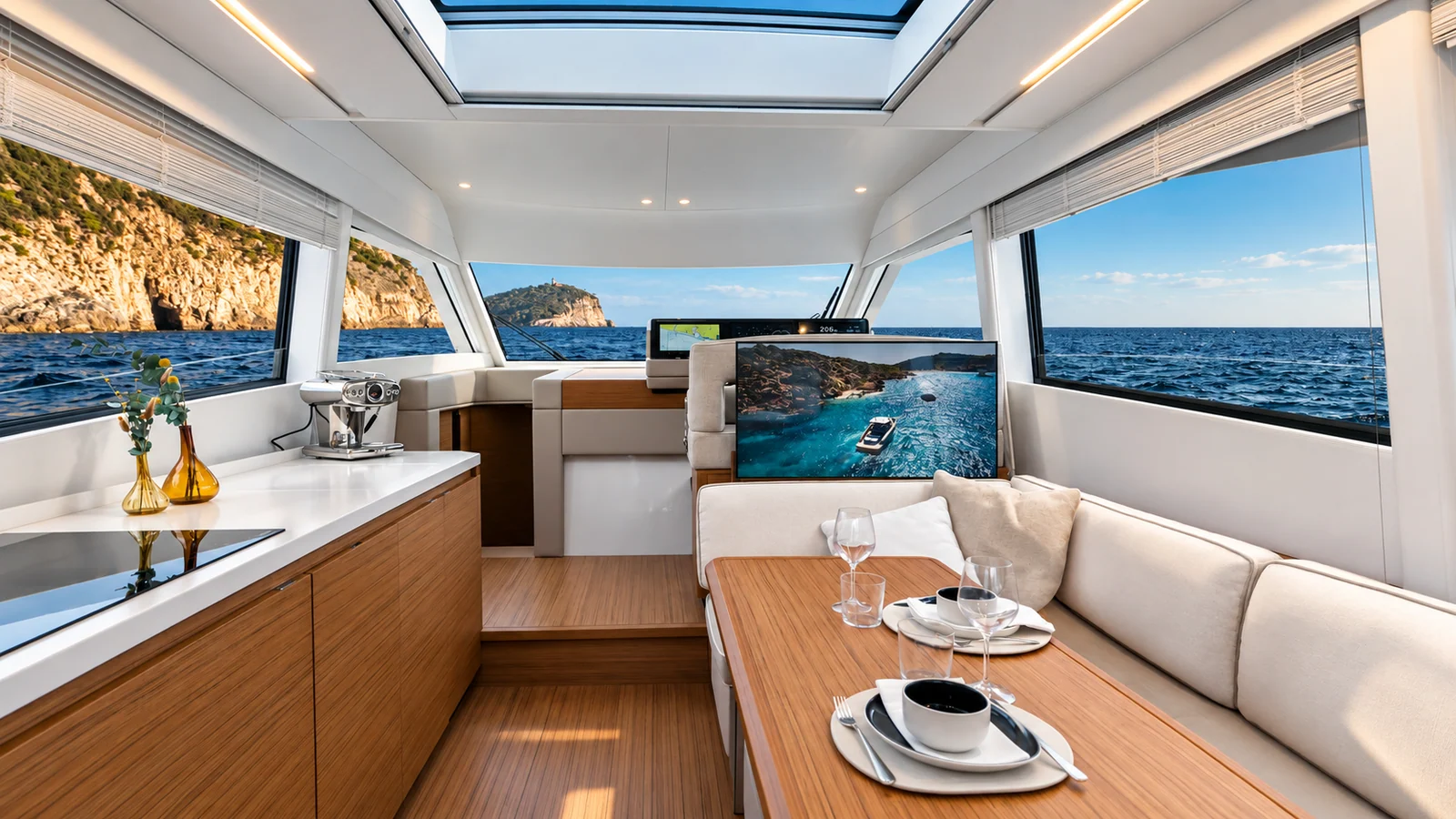
Include the things that normally remain on the worktop. A preferred coffee machine or another regularly used item may occupy part of the surface even when the room is tidy. Show those objects in the brief, with their actual place and use understood. The proposed update can then be assessed against the kitchen you will inhabit, including the working area left available during an ordinary meal.
Door and drawer movements belong to the same assessment. A refrigerator opened beside the preparation area creates a particular relationship with the person working there. The designers can represent those occupied positions in drawings or a suitable mock-up, helping the owner understand the room through use.
The yard and relevant specialists should assess the installation, including the requirements of the actual equipment and vessel. Their proposal should explain any implications for surrounding cabinetry, access or systems. The owner contributes the desired routine; the qualified team establishes how the change can be delivered appropriately.
Keep the company part of the kitchen's appeal
Cooking aboard can be a social pleasure. You may want friends close enough to talk while you prepare a simple meal, or enjoy a more separate working room before joining everyone at the table. The update should preserve the relationship that makes hosting satisfying to you.
Follow the route from the galley to the place where people eat. The table may already be occupied, with others passing through the shared space. The proposed arrangement should make sense through that familiar scene, with service and operating requirements assessed by the appropriate professionals.
In the LYRA catalogue, Full-Service Galley introduces a particular level of kitchen provision where professional cooking is part of the brief. The physical room and equipment still need to be understood for their actual use. An owner-led kitchen update can be defined just as precisely through the meals and hosting style it will support.
Liveaboard suitability adds the longer rhythm: provisions arrive, meals repeat and the room needs to remain pleasant over several ordinary days. Include cleaning, storage and the appropriate household preparation in the conversation with the people responsible. A coherent kitchen serves the whole sequence.
Make the agreed change easy to recognise
The final proposal should connect the selected appliances, drawings and work scope. The owner should know what is included and how the completed room will differ from the familiar one. If an alternative is suggested during the project, assess it against the same cooking routine before the specification is changed.
Keep the relevant equipment information and work records with the yacht through the agreed process. The people using the galley need appropriate familiarisation with the installed arrangement. Technical operation and care should follow the actual equipment documentation and professional guidance.
Once the work is complete, return to the meal that shaped the brief. The preparation surface, storage and connection with the table should make sense in the way you intended. Personal observations from the first visits can then inform any further adjustments through the relevant providers.
A thoughtful refresh can make a familiar yacht feel newly welcoming. The room now reflects a pleasure that grew through ownership, with the practical details arranged around it. Cooking becomes an even more natural part of the time you enjoy sharing aboard.