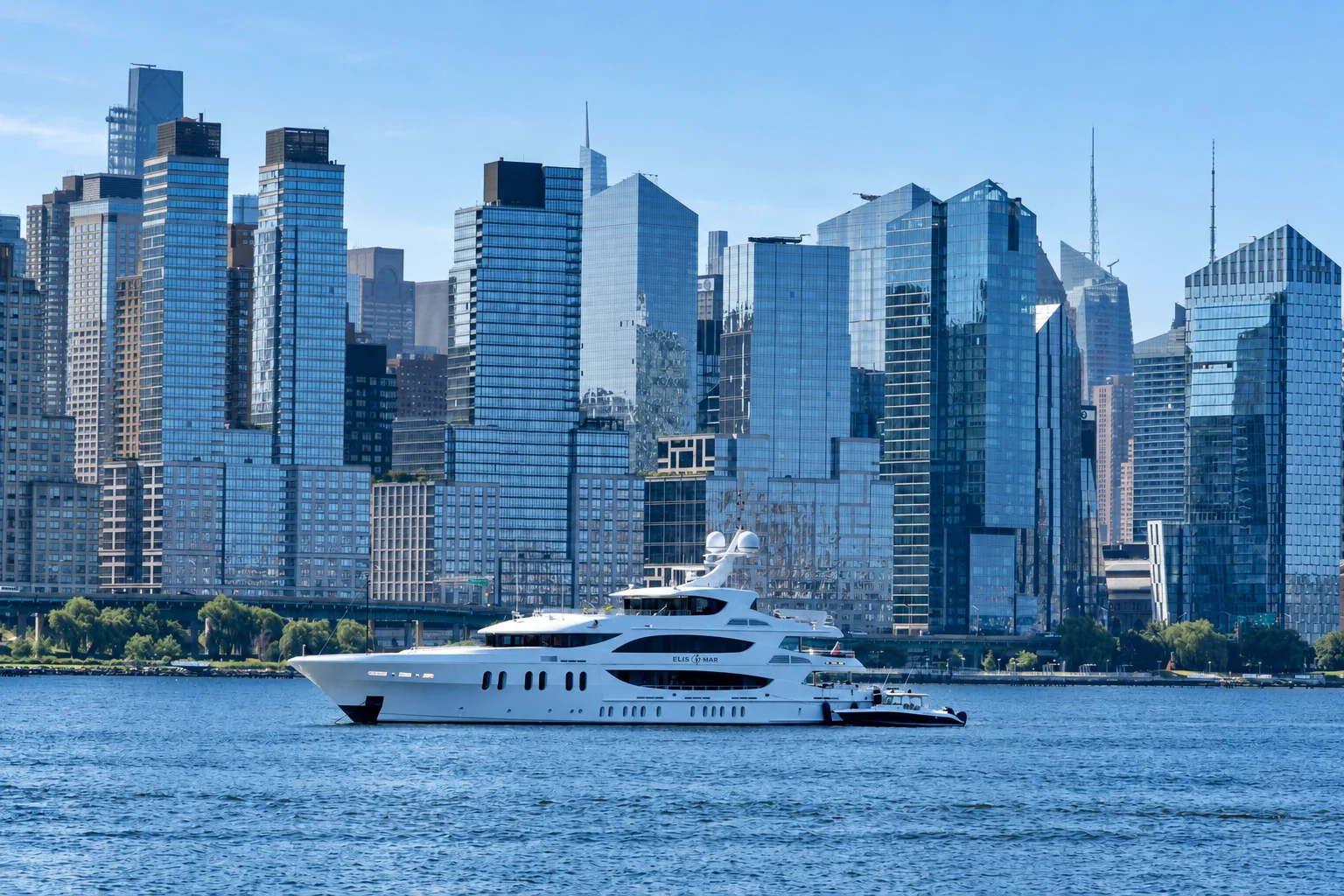
To guests, an enjoyable water-sports day can feel pleasantly spontaneous. Someone wants to try an activity, another returns for a break and the company gathers again between turns. Behind that easy atmosphere is an arrangement of equipment, preparation and people.
When you buy a yacht for this kind of use, discuss the working routine as part of the owner programme. The facilities should relate to the activities you want and the team responsible for supporting them. Understanding that relationship helps you choose a boat that can host the day you imagine.
Water-toys facilities and recommended crew are the two relevant catalogue criteria. They introduce the equipment and staffing conversations. The actual activities, professional competencies and operating requirements need to be assessed for the individual yacht and programme.
Give the team a recognisable guest programme
Describe the company likely to take part and the activities you have in mind. Some guests may want repeated turns while others prefer to watch or spend time elsewhere aboard. The team needs to understand that pattern before organising the day.
Be specific about the equipment. Different products have their own requirements for preparation, use, care and storage. The qualified people responsible should identify what is appropriate for the proposed users and setting, using the applicable instructions.
The owner brief can explain the desired atmosphere as well. You may want a shared family activity or a more flexible afternoon in which people join at different times. That preference helps the professionals develop a suitable programme.
The result should name the activities, supplied items and participants expected in that particular session. A broad collection of toys becomes a defined set of activities, with an operating and service arrangement assessed for them.
Follow the equipment through the day
An item may pass through several different states: stored, being prepared, available for use and receiving the care needed afterwards. Ask the team to explain how the actual facilities support that sequence for the specified equipment.
The useful owner question is about organisation. Where do the relevant functions take place, who is responsible and how does the sequence affect availability for the next guest? The operating details and procedures belong with qualified people following the applicable requirements.
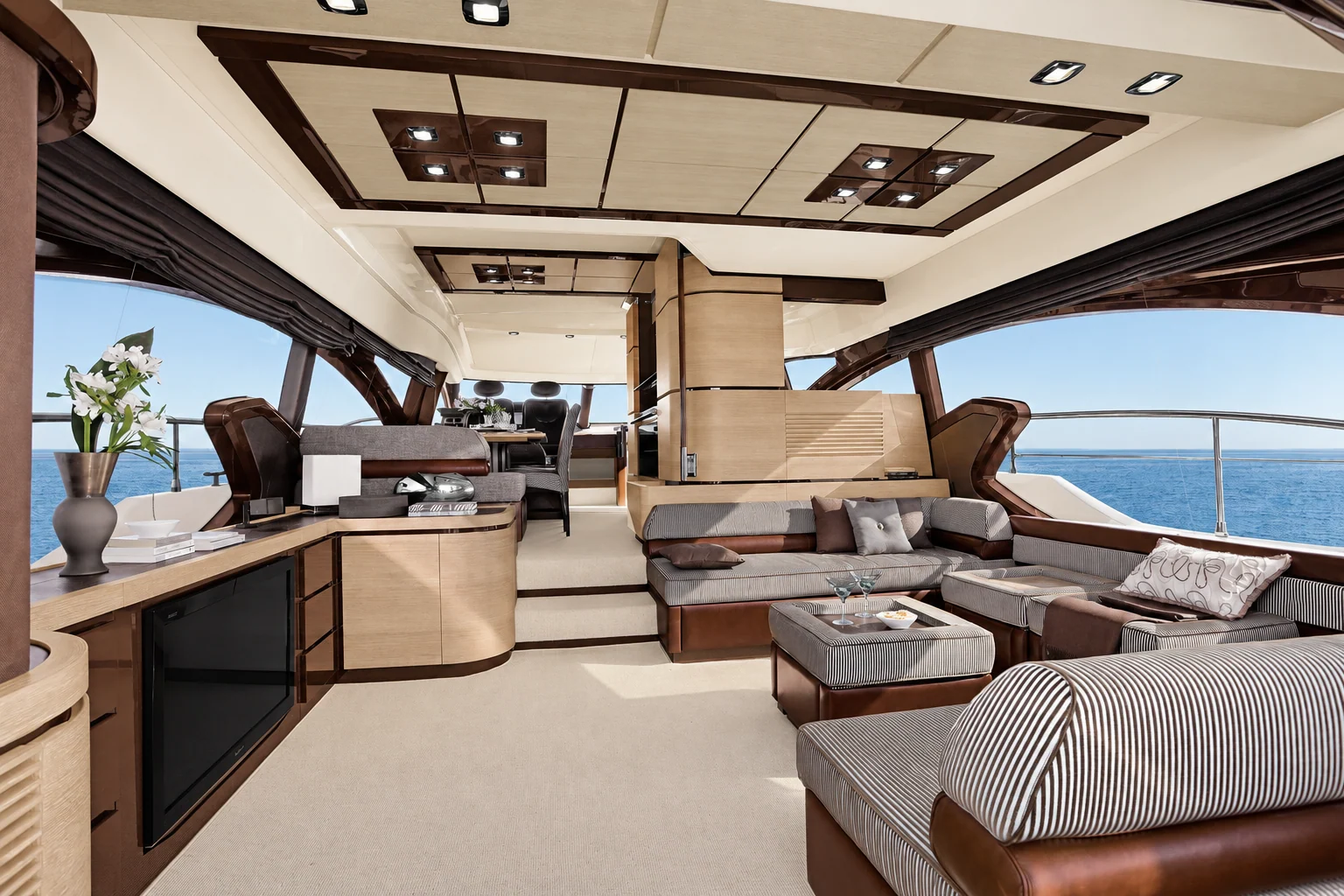
Look at how those work areas relate to the social spaces. Guests returning for a drink should have an understood place to go while the team attends to equipment. The layout can help the active and relaxed parts of the afternoon coexist.
This gives a more complete reading of the LYRA catalogue's water-toys provision. Storage is one part of the picture; the working arrangement around the equipment explains how it can support the intended day.
The end of an activity can have a different effect on availability from a pause between turns. Ask the team to explain what has been prepared for further use and what has completed its programme for the day, in accordance with the applicable instructions. Guests can then receive a clear account of the options available through the responsible people.
Understand staffing through the tasks involved
The recommended-crew figure introduces a broad staffing reference. The actual team for the programme needs assessment by the appropriate professionals, including the competencies and responsibilities relevant to the proposed activities.
Ask how the different duties are allocated during the day. The team may need to support people using equipment while other guests remain aboard. Those simultaneous needs should be considered within the operating plan and service arrangement.
The owner should understand the agreed scope, including any specialist support commissioned separately. A clear account lets you know which activities are included and how the team communicates with guests about them.
This is especially useful when your programme changes. Adding equipment or increasing the number of participants gives the responsible professionals a concrete reason to revisit the arrangement. The facilities and staffing should continue to describe the day actually being organised.
Let the routine support the atmosphere
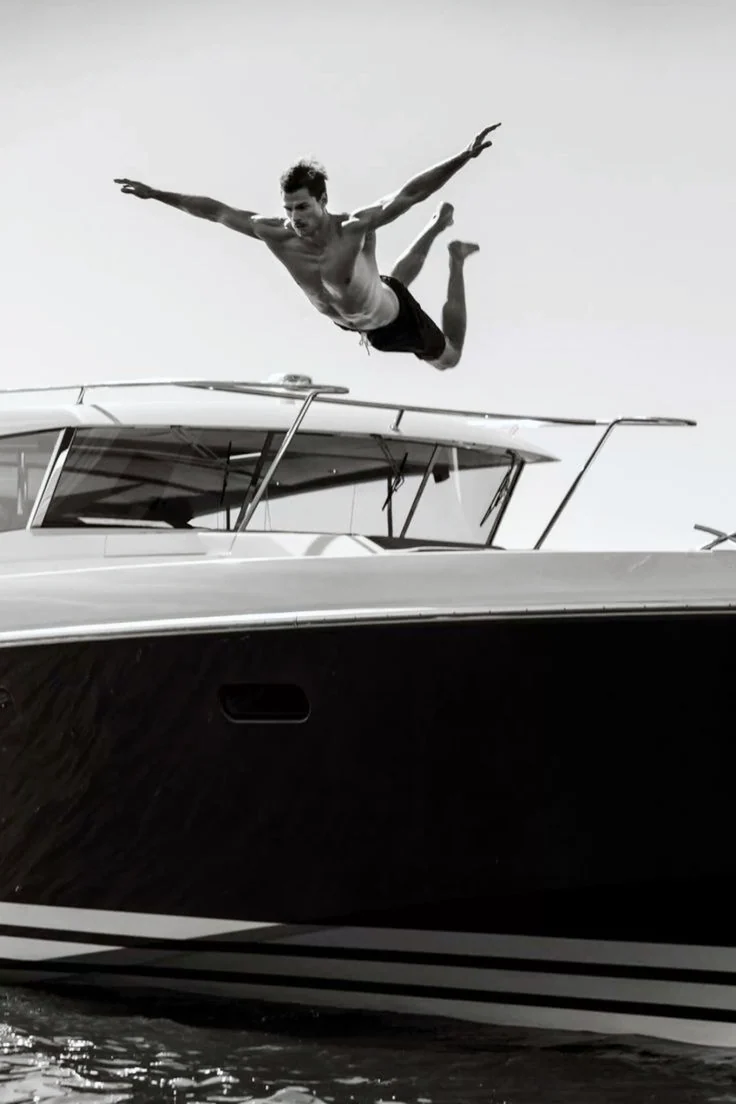
Guests benefit from knowing what is available and how to take part through the responsible team. Appropriate instruction and briefing should be delivered by the qualified people involved, in a form suited to the users and activities.
Between sessions, the yacht should remain an inviting place to pause. Consider the seats, refreshments and ordinary routes people will use while waiting or returning. These parts of hospitality contribute to the afternoon alongside the equipment itself.
After a period of use, discuss what worked well with the team. Their observations can help refine the programme and identify changes to assess before the next outing. The owner can contribute the guest perspective while the professionals retain responsibility for the technical and operating conclusions.
A well-run day gives the equipment a clear place within a larger social experience. People enjoy participating, take comfortable breaks and return to the company aboard. Choosing the yacht and support arrangement together helps those different moments form an enjoyable whole, with the crew's considered routine making space for the pleasure you wanted to share.