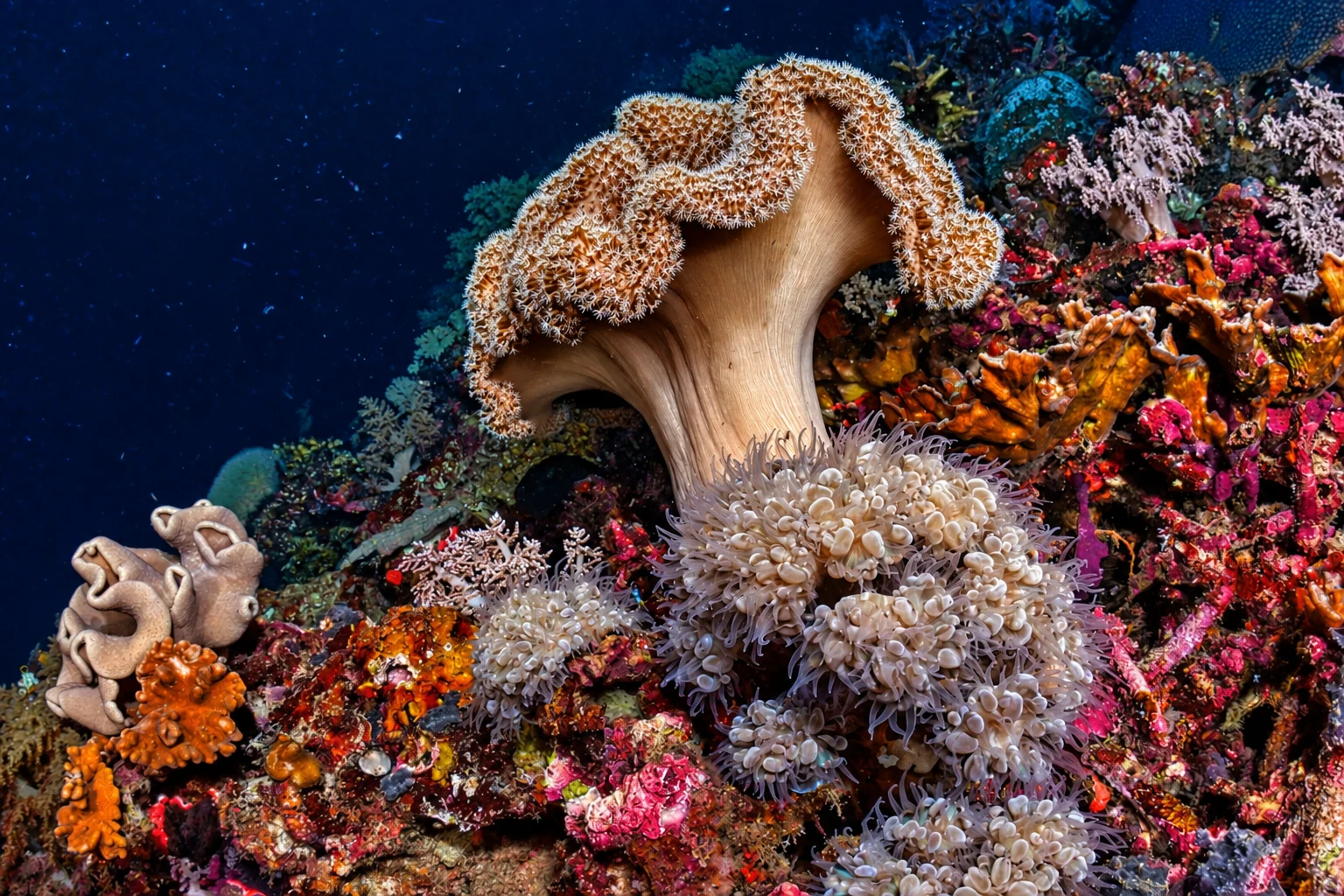
Underwater photography can give a diving trip another kind of attention. The anticipation begins before entering the water, as you think about the images you hope to make and prepare the equipment that will accompany you. Back aboard, looking through the results becomes part of remembering the experience.
For yacht selection, the camera creates a focused question alongside the diving programme: where will the photographic equipment be prepared, received and kept? Those spaces should relate to the actual kit and the requirements of its manufacturers.
Diving suitability is the relevant starting criterion in the LYRA catalogue. The diving programme itself must be organised and assessed by qualified professionals. The additional owner brief here concerns the physical arrangements supporting a personal photographic interest.
Show the team the equipment you intend to use
A camera description alone leaves much of the practical picture open. The housing, lenses or ports, lighting and associated items can form a particular equipment set. Give the yacht team an identified list and the dimensions or other information needed for a meaningful space assessment.
The current manufacturer documentation should guide the preparation, use and care of each item. A specialist familiar with the equipment can explain the requirements that matter to the proposed onboard arrangement. The yacht's technical and operating team can then assess their side of the proposal.
Describe what you expect to do aboard between dives. You may need a place to work with the equipment, storage for items remaining dry and an appropriate way to review or transfer images. Those are useful functions for the team to understand, with the exact technical requirements established by the relevant professionals.
This keeps the brief specific to your hobby. The boat is being asked to support a known photographic kit within an assessed diving programme.
Give preparation a defined place
Look for a proposed working area that the relevant specialists can assess for the equipment's requirements. Its dimensions, intended use and relationship with surrounding activity should be clear. A convenient-looking table needs to be considered as part of the yacht in use.
Ask the equipment specialist to describe the kit in each state relevant to the space brief. A packed case and the components set out for the documented preparation can occupy different areas. The proposal should identify both, alongside the intended home for the items when the shared surface returns to its next use.
Imagine the other people aboard while preparation is happening. A shared surface may be needed for meals or another activity, so the arrangement should account for timing and storage between uses. The practical goal is an understood place for each function.
Ask how the photographic equipment will be kept when the working area is cleared. The proposed storage should be assessed against the actual items and their applicable care requirements. The yacht team should identify what the space is intended to provide.
The LYRA catalogue introduces yachts associated with diving. The camera workspace is an individual layout question, to be resolved for the boat and kit you are considering together.
Connect the photographic route with the diving team
The equipment must move between its onboard place and the professionally managed diving activity. Ask the responsible team to explain the arrangement appropriate to the proposed programme, including who handles which part and where the items are received afterwards.
The owner should understand how that route fits with the people returning from the dive and the other equipment in use. The relevant professionals should determine the procedures and suitable conditions. The selection discussion concerns whether the yacht has an arrangement they can support.
Care and charging requirements need separate attention where applicable. Have the exact photographic equipment and yacht-side installation assessed by the appropriate specialists, using current product information. A storage location should have an identified purpose within that arrangement.
This gives the camera a coherent path through the day. Its preparation, use and return are connected with the diving programme while retaining the requirements particular to the photographic kit.
Leave room to enjoy the images
After the activity, you may want a comfortable place to review photographs and share a few with the company. Consider that quieter part of the day during the viewing. It can be one of the most enjoyable ways the hobby becomes part of life aboard.
If computers or other devices are included, identify their intended storage and use with the same care. The arrangement should remain practical once the boat is occupied, with applicable technical requirements assessed by the relevant team.
Keep the agreed equipment and space information in the owner brief. A later change to the kit can then be assessed against an understood starting point, rather than an assumed generic provision for cameras.
A yacht can give underwater photography an especially engaging setting: the journey to the dive, a considered place for the equipment and an inviting room in which to enjoy what you have seen. Choosing around that whole experience helps the hobby become a rewarding part of ownership, supported by a boat and professional programme assessed for the purpose.