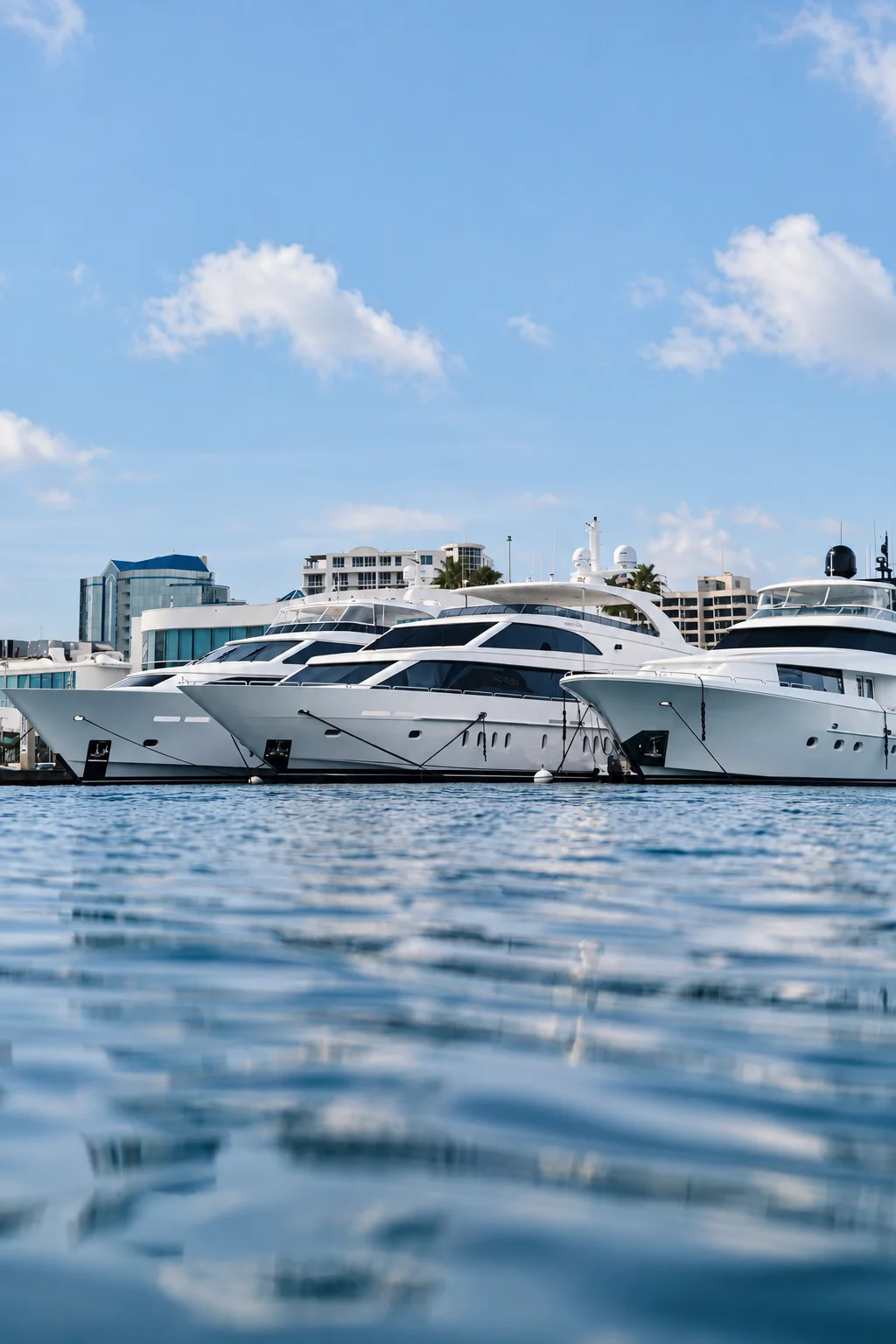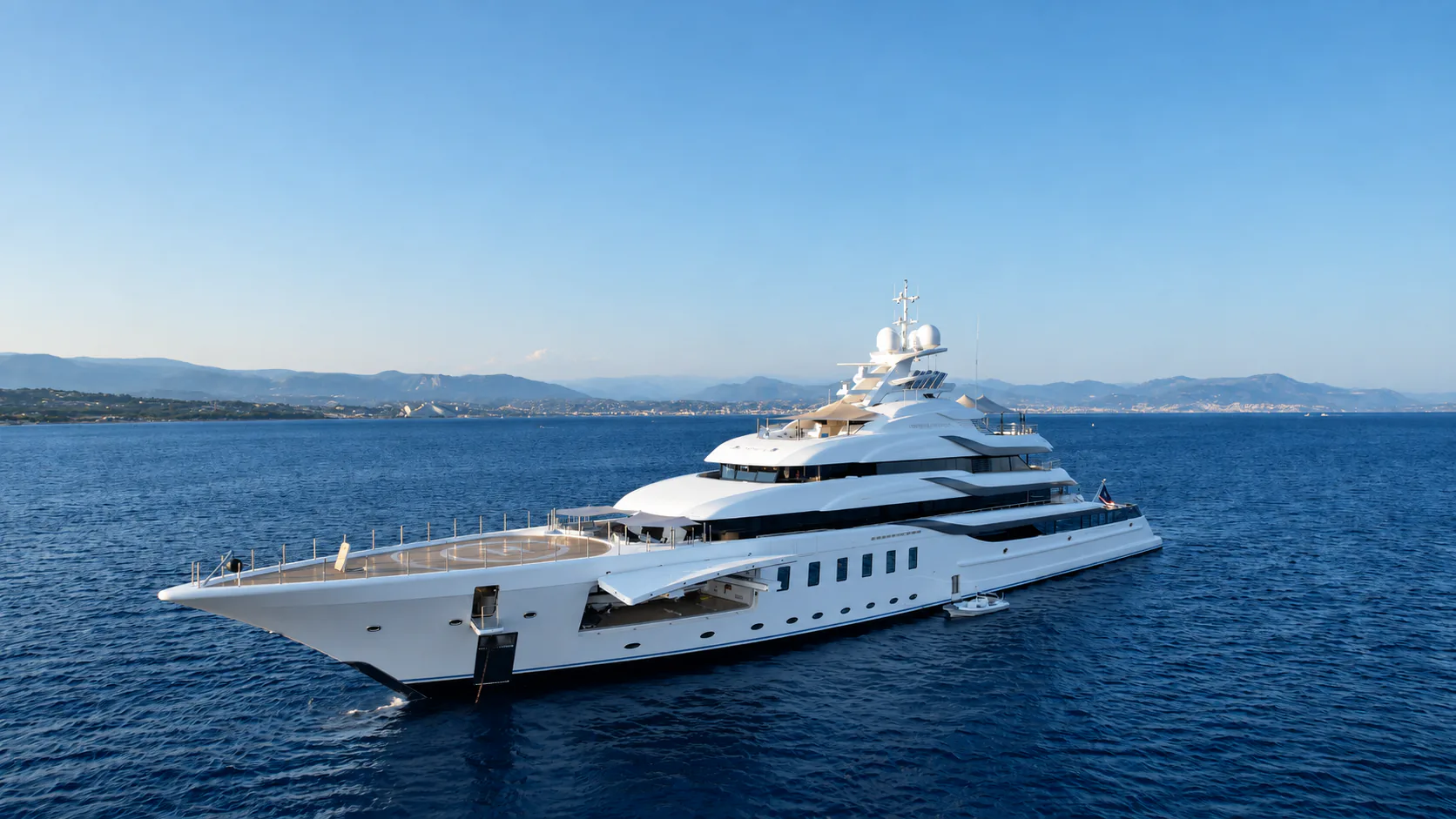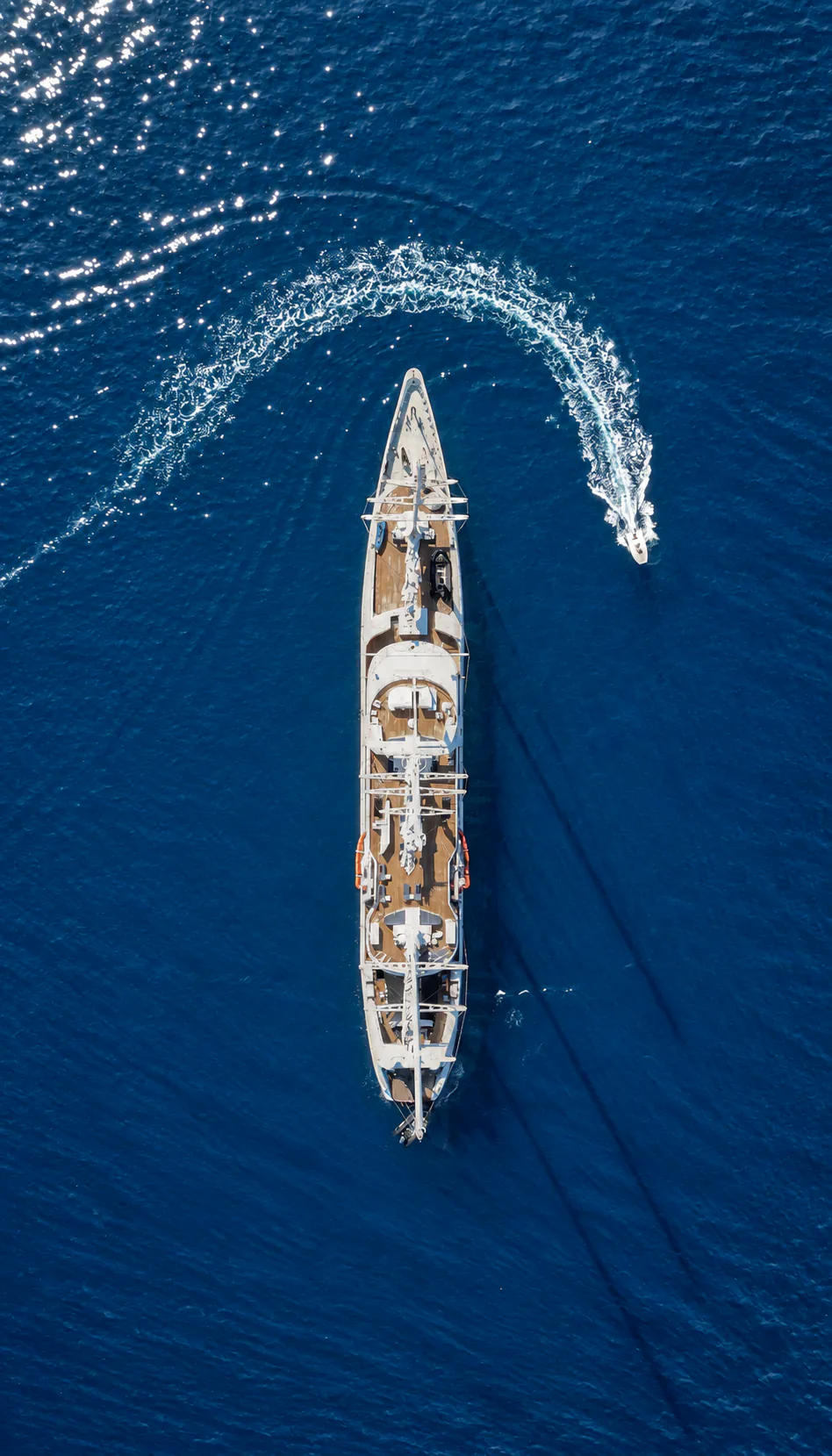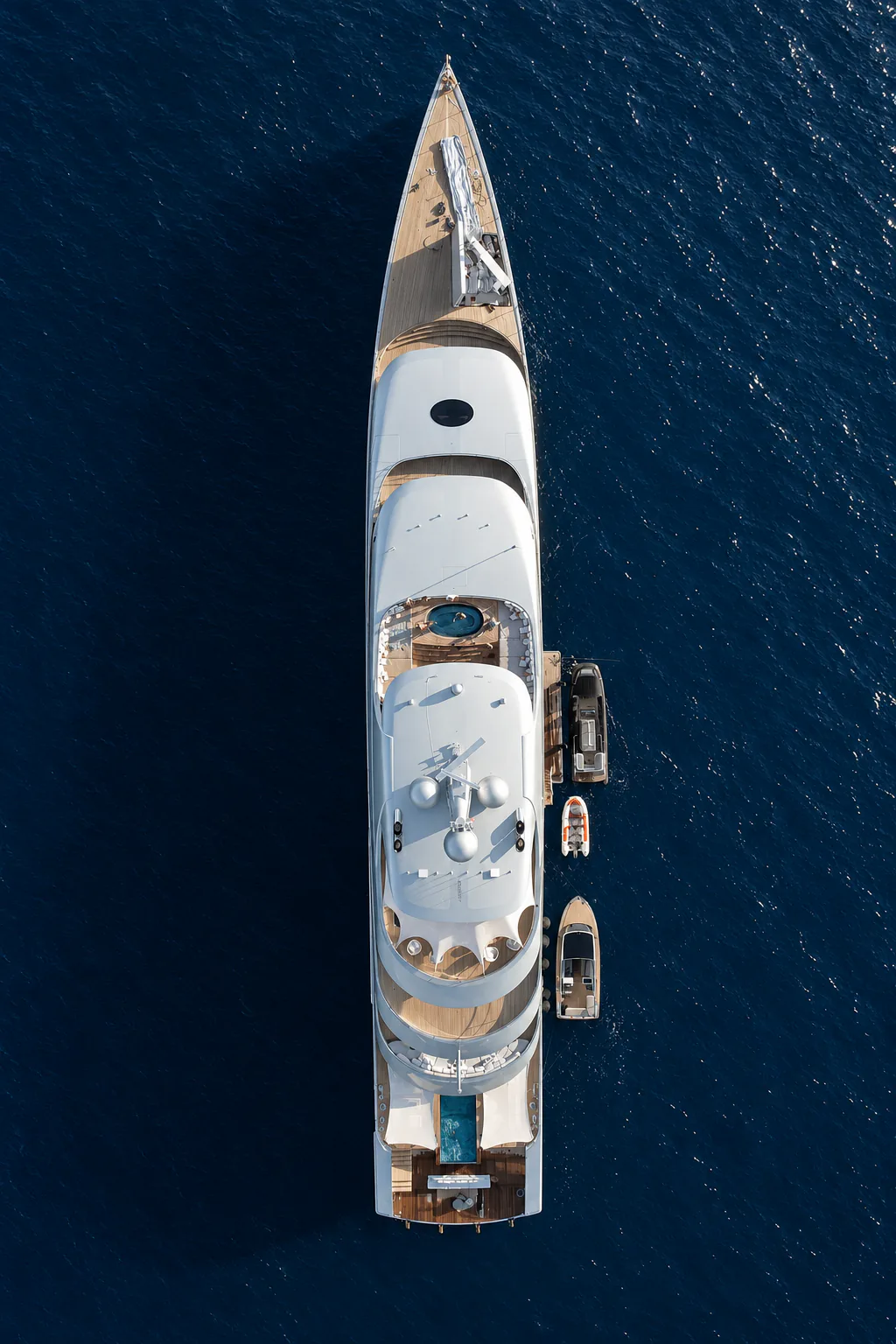
A couple keeps a yacht at one marina and would like to leave whenever the weather and their calendars align. One of them enjoys the helm; the other wants to remain a guest rather than become an essential deckhand. For this owner, independent operation is not a technical novelty. It changes the number of mornings on which the yacht can actually leave the dock. That makes it a sensible opening criterion for the shortlist.
LYRA's catalogue includes Single-Handed Operation among its suitability fields. Combine that signal with the size and berth arrangement that suit this couple's intended outings. The tag finds a group worth examining; the marina and the exact yacht reveal whether the owner's preferred role is realistic. A yacht may be easy in open water and demanding in a narrow home berth, or vice versa.
Give the home marina a place in the brief
The couple's normal departure happens from a specific berth, among specific neighbouring yachts, with a prevailing wind and a known route out of the harbour. Those details make the question much more useful than “Can this model be handled alone?” Ask how the operator would board, prepare lines, leave the berth and return when the breeze has shifted. Visibility from the helm, access to cleats, deck levels and control placement all become relevant.
Size matters because it affects the physical scale of these movements and the kind of berth available, but a metre figure is not a verdict. A slightly longer yacht with a well-planned side deck and appropriate equipment may suit an owner better than a shorter yacht with awkward access. The useful boundary is the range this owner can operate confidently from this home port after proper training. That range should be established with a qualified operator, not invented from a catalogue filter.
The Princess Yachts C48 and Hardy Marine 50DS are examples of LYRA pages carrying the Single-Handed Operation label. They show that owner-operable yachts may offer quite different enclosed spaces and cruising styles. They are examples only, not a pair selected for this couple. The home-berth question should be applied to yachts in the segment the owner wants to live with.
Decide when the tag deserves priority
If an owner expects short, frequent outings, the cost of organising help for each departure may alter the habit of use. In that case owner operation belongs early in the search. If most voyages are planned weeks ahead with a captain aboard, the same tag may remain useful but need not control the shortlist. The question is how strongly independent departure affects the life the buyer wants.
The partner's preference is equally important. Some couples enjoy sharing every operating task; others prefer one person to handle the yacht while the other enjoys the passage. Neither is inherently superior. Describe the roles before testing a yacht, and include a realistic plan for illness, difficult weather or a voyage that exceeds the owner's training. Flexible support is compatible with the freedom to go out independently on an ordinary day.
Confirm the promise in its setting
A sea trial should begin and end at the intended marina if possible. Watch the real sequence at the berth and then repeat it under a qualified skipper's supervision. The owner can learn which actions are intuitive, which require practice and which depend on equipment or local conditions. The seller should confirm the exact installed systems; an insurer and qualified operator can address their own requirements for the proposed use.
LYRA's approach to yacht selection keeps the purchase tied to the life it enables. A shortlist shaped by Single-Handed Operation is therefore successful when it lets this couple picture a normal morning: an uncomplicated decision to go, a confident departure and a return that still leaves them eager for next weekend.