
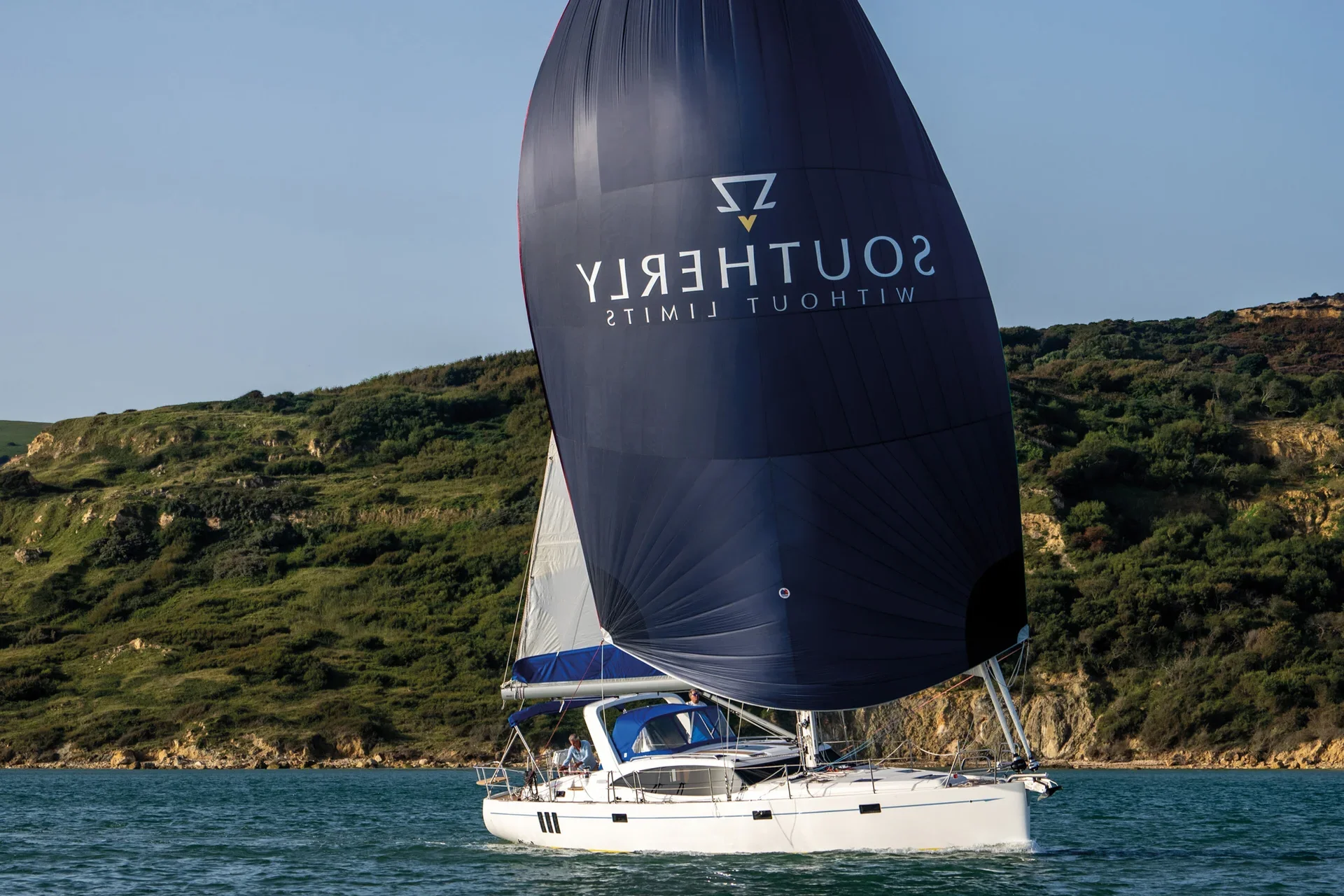
LYRA's British-built yacht collection offers an entry point by build origin. Use it to identify boats worth understanding, then examine the builder's information and the specific configuration. Build country alone cannot tell you how the yacht will behave or whether its practical demands suit your plans.
Find the function within the character
A yacht can feel traditional because of its proportions or materials while containing a very particular approach to living aboard. Equally, a contemporary appearance can support familiar priorities such as sheltered gathering space and a view outside. Describing the feature that attracts you helps distinguish the experience from the image.
For a concrete example, Oyster's 745 presentation identifies its Deck Saloon, protected centre cockpit and alternative interior arrangements. These features give a buyer specific subjects to explore: the relationship between inside and outside, the places people gather and the separation or connection of living spaces. They do not establish the character of every British yacht.
Imagine a buyer who likes the idea of a comfortable saloon but also wants guests to remain part of the day rather than withdraw into separate spaces. The useful visit would follow how people move, see one another and choose where to sit. A finish sample or exterior photograph cannot answer that entire question.
Consider the life around a longer stay
If the intended use includes spending substantial time aboard, examine the ordinary arrangements. Where would belongings live? How would different people use the spaces at the same time? Which activities require preparation, and who would do it? Discuss the actual layout and support rather than assuming that a cruising description settles these matters.
Service access is another subject to investigate with the relevant professional. Understand how the particular systems and maintenance arrangements would be supported from the proposed base. A reputation for practicality should lead to a closer look at the boat, not replace that examination.
The same principle applies to weather protection. A sheltered cockpit can be a relevant comfort feature without establishing suitability for every condition. Any operating plan needs yacht-specific information, competent people and appropriate consideration of the actual circumstances. A national seafaring image is not an operating limit or a safety assurance.
Describe the character beyond its first impression
The word classic can conceal several different attractions. You might be responding to proportions, a material reference or the feeling suggested by a sheltered place aboard. Describe which part makes you want to look again. That gives the search a more useful subject than an obligation to choose a yacht that fits a complete historical image.
The builder can help explain why the design takes its particular form. Listen for the connection with the proposed yacht rather than a general account of national seafaring character. You may discover a priority you appreciate or a difference from your intended use. Understanding the reasoning does not require you to adopt another person's taste.
A contemporary interpretation deserves the same opportunity. If you began with an expectation of tradition, ask whether the newer-looking arrangement expresses the quality you actually wanted. Equally, a restrained design may remain convincing because its atmosphere feels right to you. Neither conclusion needs an assertion that one visual approach necessarily has more practical merit.
The working relationship can reinforce the preference. Notice how the relevant people respond to a question you care about and whether you can understand the proposed choice. Ask who would contribute if the enquiry develops. A comfortable introduction matters as part of the owner’s experience, while the actual roles and acquisition proposal need their own clear basis.
Keep the particular reference and the question you would like a visit to answer. If the sheltered setting is what drew you to the design, describe when you would use it and who you expect to be with you. That lets you consider the same intention in another candidate with a very different look.
Choose a character you want to live with
Try to explain the appeal in personal terms. Perhaps the design feels welcoming during an ordinary stay, gives the owner a satisfying role in preparing a trip or creates a preferred balance of privacy and company. These are more useful reasons to continue the search than an obligation to prefer classic or contemporary styling.
Keep the ownership horizon in view. A yacht chosen for an exploratory period may invite different decisions about personalisation and support from a boat intended for a longer chapter. Neither plan predicts future resale demand or makes an aesthetic preference financially self-justifying.
Exploring British design can help a buyer discover which details make a boat feel right. The strongest preference remains specific: an understood layout, a character that continues to appeal beyond the first visit and a practical arrangement that supports the intended ownership. Those details give the country collection a personal direction.
