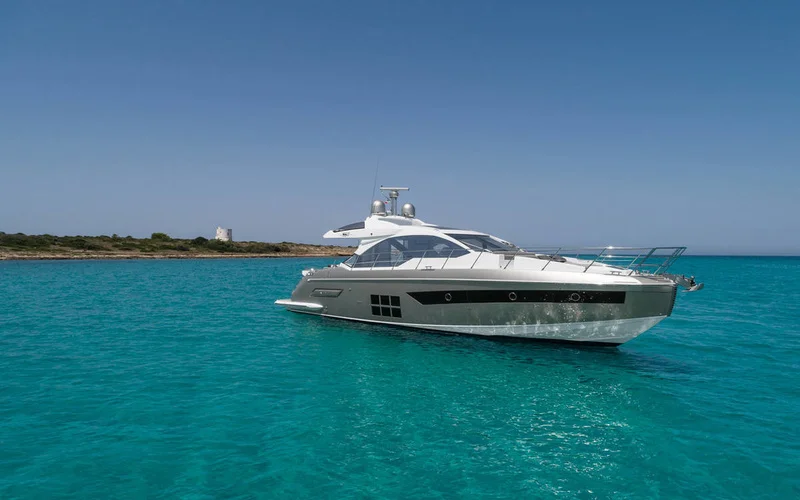
The invitation sounds wonderfully simple: lunch on the yacht. Then the small questions begin. Where will everyone park? Which entrance leads to the berth? Will somebody need to meet the grandparents at the gate? Can the shopping go straight aboard, or does it need carrying along a long pontoon? These details belong to the pleasure of owning a yacht because they shape the first part of every visit.
For someone with a home near the coast, the arrival deserves a place in the purchase conversation. A good arrangement makes it easy to act on a free afternoon. It also gives friends and family a welcome that feels considered from the moment they reach the marina.
For regular visits from a coastal home, the search can begin with yachts suited to coastal cruising and a size range you want to explore in the LYRA catalogue. The journey to the boat then gives those criteria a personal purpose: a yacht and base that fit naturally into an ordinary week.
Begin with the people arriving
A couple carrying two small bags will experience a marina differently from a family arriving with food, children's belongings and a guest who prefers a shorter walk. Think about the group that will actually come most often. Their arrival is a better guide than the most elaborate occasion imaginable.
Consider whether everyone travels together. If friends usually arrive separately, clear directions and a convenient meeting point become part of hosting. If the owner often arrives alone before the others, it helps to know which preparations can be completed during that interval and how guests will reach the yacht afterwards.
There is a domestic side to this. A forgotten jumper should feel like a small inconvenience. When the boat is close to home, the family can decide what remains aboard and what travels with them. That choice reduces the burden of packing for every outing and helps the yacht acquire the easy familiarity of a favourite place.
Walk the last part of the journey
The road journey is usually easy to picture. The last stretch deserves a visit on foot. Follow the route from the actual parking or drop-off point to the proposed berth, carrying the kind of bag normally brought aboard. Notice entrances, changes of level, available assistance and places where the group could comfortably wait.
Then consider the transfer onto the yacht. The height and arrangement of the boarding point must suit the actual berth and the people using it. Loading, water level and the yacht's configuration can change that relationship. The marina and the person operating the vessel should assess the practical arrangement together.
An owner benefits from seeing this sequence before treating a berth as settled. A viewing can include a perfectly comfortable boarding arrangement that differs from the one planned at home. Bringing the two situations into the same conversation makes the eventual purchase more immediately enjoyable.
The same walk can reveal where provisions should arrive, whether a trolley is available and what help needs booking. Confirm those services with the people who will provide them. Familiarity with the route is useful; a clear agreement about assistance makes it dependable.
Put yacht size inside the arrival
Size affects the space occupied at the berth and the places from which people board. Its influence becomes clearer when the owner imagines the same group arriving at different yachts. Where can bags be put down? Can one person welcome a guest while another moves towards the seating? How much of the vessel needs preparing for an ordinary visit?
Those are questions about the use of space. They allow a buyer to explore a size band with purpose while remaining curious about different layouts within it. A yacht that feels generous and welcoming at the intended boarding point can make a strong impression long before the engines start.
The berth discussion should use the exact proposed configuration. Platforms, projections and equipment can affect the occupied envelope. For the wider dimensions and marina agreement, the existing guide to home-port berth questions provides a useful companion.

Catalogue examples of a shared size band
The Azimut S6 and Enigma 59 are examples listed at 18 metres in the catalogue. Both sit within a size band that an owner might explore for coastal use. Their shared length makes a useful point: a metre figure alone leaves the arrival experience to be examined.
On yachts in this band, the actual boarding location, deck route and berth arrangement deserve direct attention. The examples establish scale; a visit shows how that scale meets a particular family and a particular pontoon. The same comparison can be made across the wider catalogue without centring the search on either model.
Leave with a picture of the next visit
After comparing two possible bases, the owner should be able to describe an ordinary arrival at each. Who comes first, where the bags go, how everyone boards and when the group can settle with a drink should all be easy to picture.
That picture can influence the yacht decision as much as an extra room or a different exterior line. It connects the purchase to a life already being lived ashore. When the route feels natural, the yacht becomes an inviting possibility within the week: a place the family knows how to reach, ready to turn an ordinary day into time together on the water.