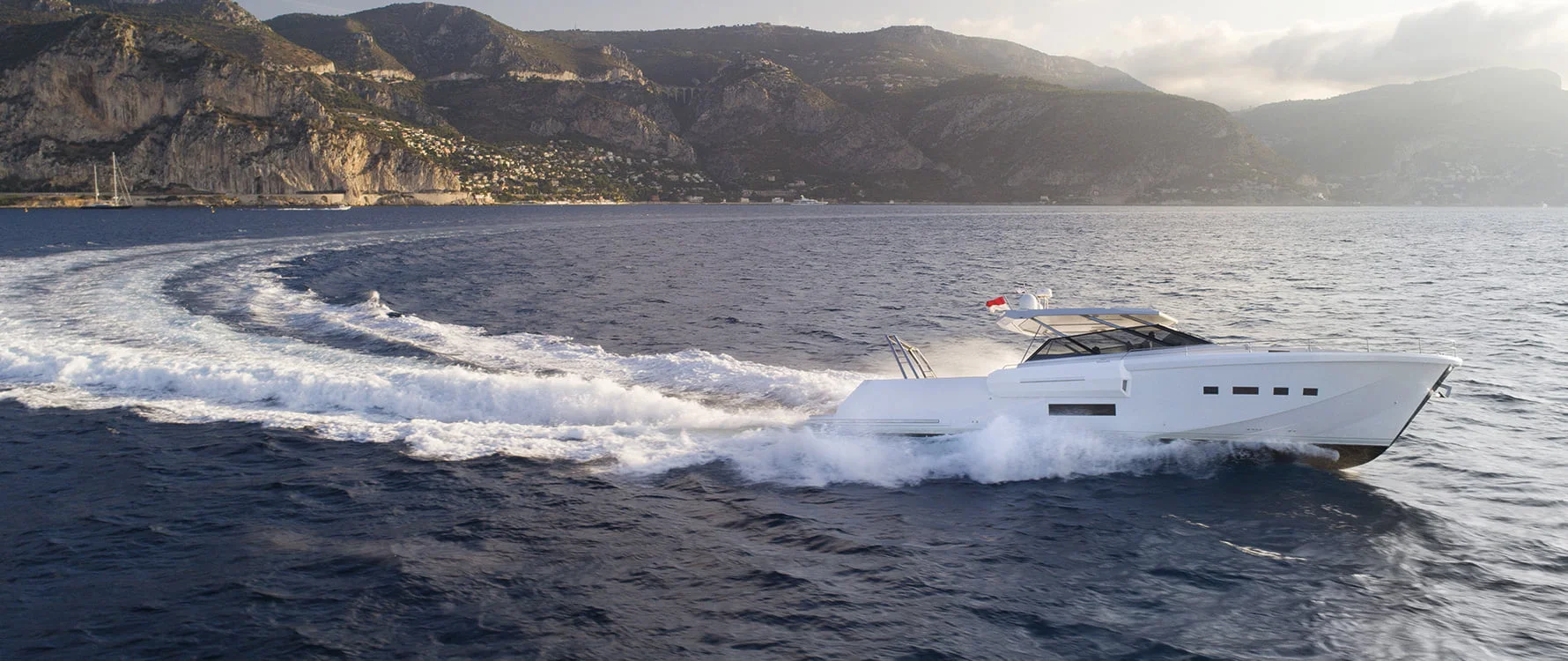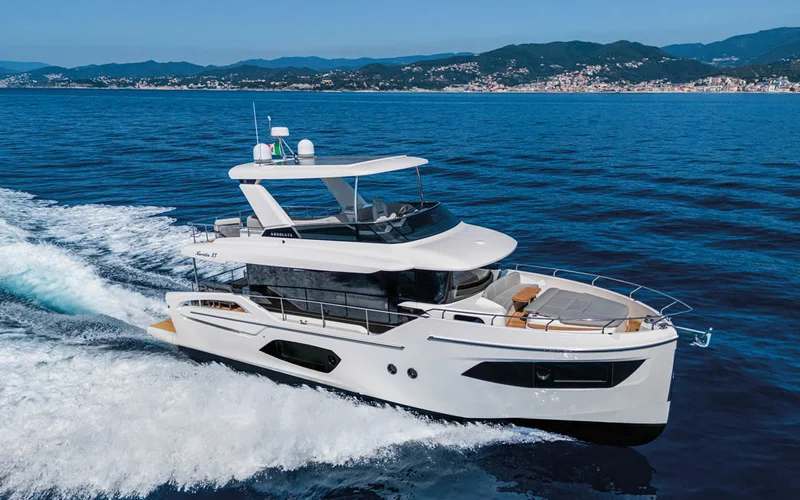
A few days by sea can lead naturally to an evening ashore: a favourite restaurant, a town worth exploring and a hotel where the owners would like to linger. The yacht remains the thread connecting the holiday. Sleeping elsewhere for a night simply adds another way to enjoy the coast.
The accommodation brief follows the holiday's rhythm. Coastal cruising suitability identifies the broader use, while overnight capacity helps you explore boats for the nights your company will actually spend aboard. The itinerary connects those criteria with a recognisable journey between the yacht and the places you want to stay ashore.
Count the nights that belong to the yacht
Start with a plausible holiday. Perhaps the couple will sleep aboard on the first and final nights, spend two nights at a hotel and invite friends for one daytime leg. That pattern creates a different accommodation requirement from a week with six people sleeping aboard throughout.
Give each night a place in the plan. Who stays on the yacht? Who goes ashore? Does a captain or another professional remain aboard? Guest accommodation and crew accommodation should be understood separately on the exact layout. A berth total helps find candidates; the proposed sleeping arrangements make the number useful.
This exercise often releases useful freedom. Owners may discover that their favourite kind of holiday calls for a comfortable private cabin and generous daytime space. They may equally discover that keeping friends aboard for the final evening matters enough to make another proper sleeping area central to the purchase.
The overnight capacity guide explores the relationship between a listed berth figure and life around the cabins. Here, the itinerary establishes when those spaces need to work.
Give the yacht a place during the shore stay
A hotel booking and a place for the yacht are separate arrangements. The holiday becomes easy when they are planned together. The operator needs to know where the yacht will remain, who looks after it and how the owners will return.
A marina berth may give straightforward access to the town. An anchorage may create a different transfer and supervision arrangement, subject to the operator's judgement and local conditions. Those possibilities should be confirmed for the actual destination rather than inferred from a photograph of a bay.
Ask what the return to the yacht will feel like after dinner or the following morning. Is the route convenient for the people travelling? Where will their bags wait? Will they want breakfast aboard before departing? The best arrangement allows the shore visit to feel like part of one continuous holiday.
It is also worth thinking about the yacht's own routine while the owners are away. The interval may provide time for cleaning, provisioning or ordinary care where suitable arrangements exist. Agreeing those tasks keeps the next departure calm and avoids leaving important responsibilities assumed between several people.
Pack for two kinds of room
The most revealing luggage question is often what can remain aboard. If the owners can take a small overnight bag ashore, the transition becomes pleasantly light. If every change of accommodation requires repacking the whole cabin, a short hotel stay can begin to feel like moving house.
Look for places to leave ordinary yacht belongings secure and out of the way. Then consider arriving back with shopping, clothes or supplies collected ashore. Accessible storage and a sensible boarding route make these modest movements easier to repeat.
The two stays may call for different things from the same luggage. Clothes for an evening ashore can travel with the owners while the familiar items used aboard remain in their intended places, under the arrangements agreed with the responsible people. Thinking through that division gives the cabin plan a practical role in making the hotel interval feel like a light change of setting.
During a viewing, this can be discussed quite naturally. A buyer might describe leaving the boat after lunch and returning two mornings later. The seller can then show where the everyday possessions would stay and how the accommodation would be ready for the next night afloat.

Two catalogue illustrations of overnight capacity
The ICE 62 is a sailing example listed at 17.99 metres with six overnight berths. The motor-yacht example Rio Sport Coupè 58 is listed at 18.05 metres with four. These examples place different overnight figures beside a similar overall length.
For a holiday that includes hotel nights, yachts in this segment invite a specific question: which sleeping arrangement is useful during the nights actually spent aboard? The current cabin plan and the people travelling give the answer its shape. A room earns its place through the part it plays in the holiday you want to share.
Keep the next departure in view
Before settling the holiday pattern, imagine the morning after the hotel stay. The owners return with their bags, meet whoever is operating the yacht and prepare for the next coastal leg. The boat has a confirmed place, its condition is understood and the day's plans suit the people aboard.
That is the experience the purchase should make possible. The LYRA catalogue opens the accommodation and cruising choices; the owner gives them a personal rhythm. A yacht can provide the pleasure of waking on the water and the freedom to enjoy a beautiful room ashore, all within the same journey.