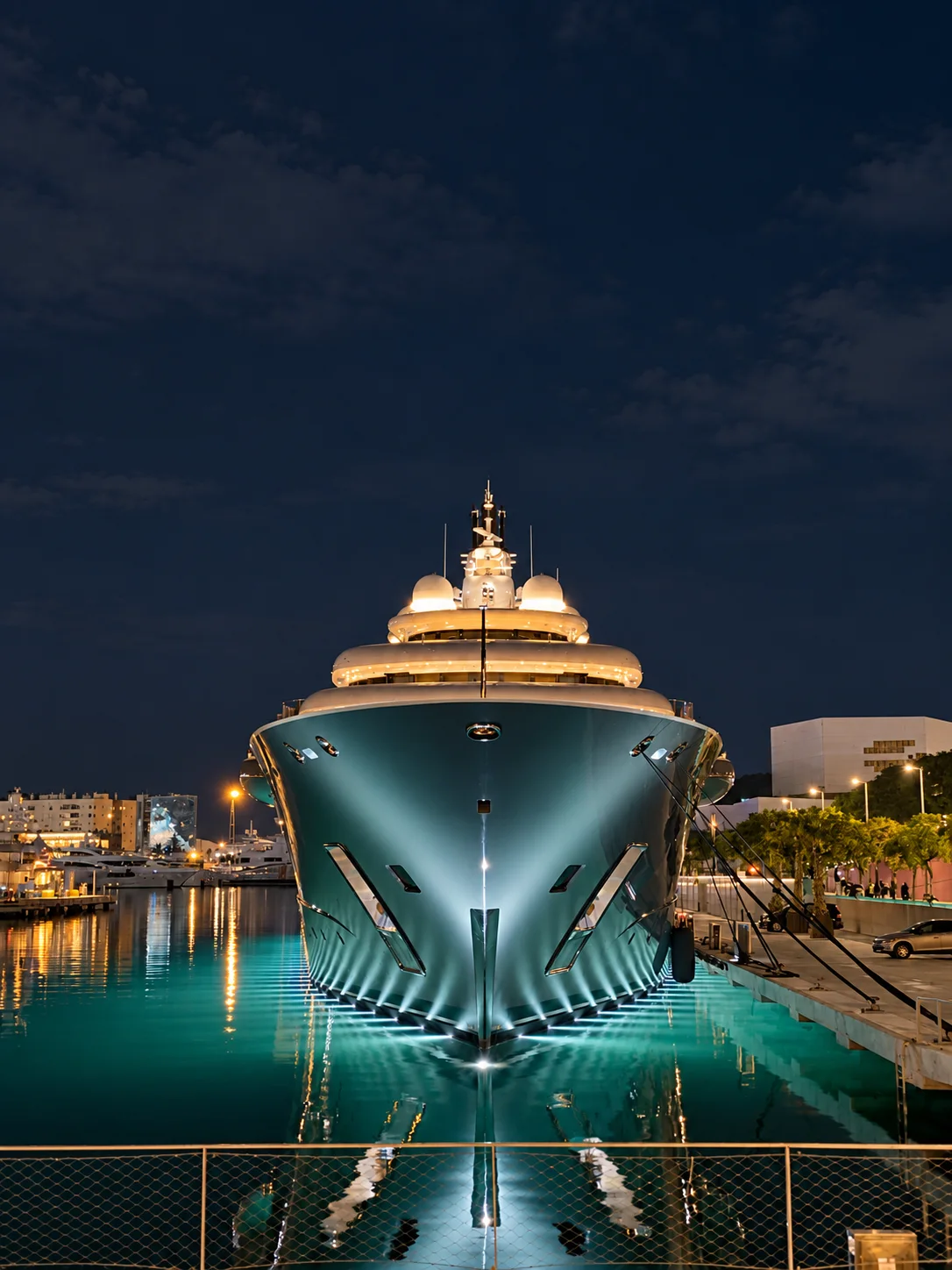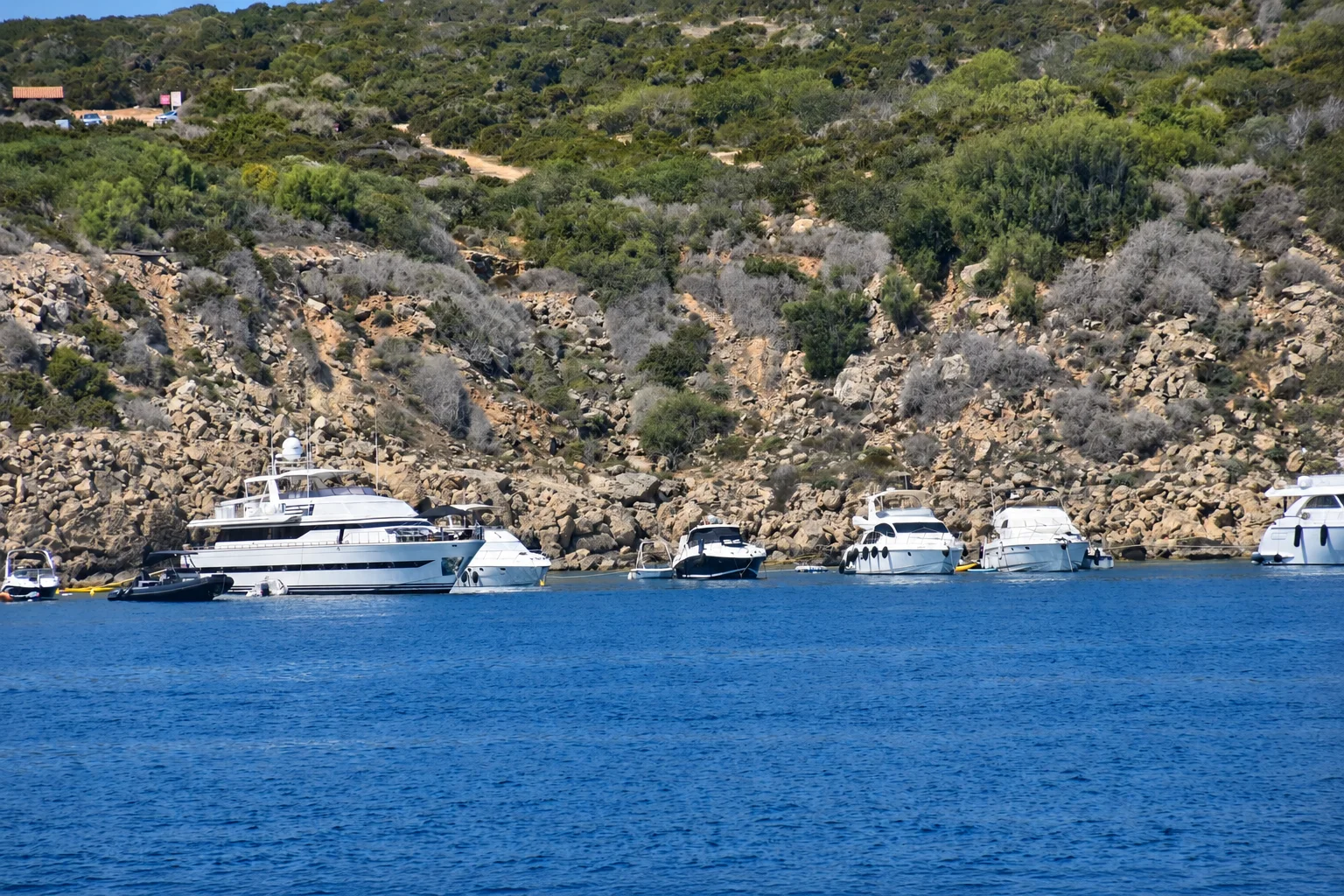
There is no point at which you have completely researched a major luxury purchase. There will always be another yacht to compare, another property to see, another car to understand, another expert opinion to hear or another detail to investigate. This is why I do not think the objective of a good luxury purchasing process is certainty. The objective is confidence. Buying an expensive yacht, a significant property, a collectible car or another major luxury asset requires a certain decisiveness. You need enough knowledge to understand what you are doing, but you also need the character to make a decision without expecting every possible question to disappear first.
Certainty suggests that every relevant variable has been discovered and every future consequence is known. That is rarely realistic. Markets change, personal circumstances evolve and ownership teaches things that no presentation can fully reproduce. Confidence is different. It does not deny uncertainty; it means the remaining uncertainty is understood well enough that it no longer controls the decision.
Confidence begins with understanding yourself
That balance is different for every person. Some people need enormous amounts of information before they feel comfortable. Others understand quite quickly what matters to them. A good buyer therefore needs to understand not only the product, but also themselves. How much information do I need before I become confident? Which uncertainties genuinely matter to me? Which ones can I accept? What am I trying to achieve with this purchase? These are personal questions. And in luxury, they matter because rationality is only half of the decision.
The other half is emotion. The first emotional reaction to a luxury product is extremely important. A yacht, a car, a house or an artwork has to create some kind of response. Without that, it becomes difficult to understand why someone would make such a significant discretionary purchase in the first place. But the first emotion should not automatically become the final decision. It should become the beginning of the investigation. If somebody sees a yacht and immediately loves it, the interesting question is: why?
Emotion should start the investigation
Was it the exterior design? A particular layout? A material? The feeling of space? A fireplace? The openness of the bow? The philosophy of the brand? The task of the buyer and the adviser is to understand what created the response. Once you identify that emotional trigger, you can explore it more intelligently. This sometimes produces an interesting result. A client may believe that one yacht is unique because of a particular feature. Then, after looking at the wider market, they discover that the same idea exists on dozens of other models.
The original emotion has not become irrelevant; it has simply become more precise. Perhaps the client was not in love with that yacht at all. Perhaps they were in love with one idea expressed by that yacht. Now the question becomes more interesting: which yacht combines that idea with the other characteristics that matter to the client? I think of these as emotional anchors. One feature attracts you first. Then another becomes important. Then another. Gradually, a combination of rational understanding and emotional response begins to form around the product.
This is also why a serious comparison should not feel like an attempt to talk someone out of what they love. Its purpose is to discover whether the original attraction survives context. If it does, the emotion becomes stronger because the buyer understands it. If it does not, the process has still created value: it has revealed which quality mattered and opened the possibility of finding it in a yacht, property or object that fits the buyer more completely.
Analysis can strengthen desire
That is where a truly personal choice emerges. For this reason, I do not believe that too much analysis necessarily destroys a luxury purchase. Good analysis can actually strengthen emotion. Take a sports car. Someone may already love the way it looks. Then they learn about the engine, the engineering philosophy, the acceleration, the history of the model or the way it behaves on a particular kind of road. Those facts do not necessarily make the experience colder. They can make the attraction stronger. The same happens with yachts.
Understanding why a hull behaves in a particular way, why a shipyard uses a certain design philosophy, or why a layout works especially well for the way you intend to live on board can make the product more emotionally compelling. In luxury, rationality and emotion should not be treated as opponents. They should reinforce one another. This is where artificial intelligence can become particularly useful. Its role should not be to calculate a mathematical answer and tell someone what to buy. It should broaden the field of understanding.
AI can help a client explore a category, compare alternatives, understand terminology, discover products they did not know existed and investigate the reasons behind their own preferences. Combined with a knowledgeable adviser, it can create a much wider environment in which the client develops taste, perspective and confidence. The balance between emotion and rationality should still belong to the person making the decision. Technology should expand the range in which that balance can be found. There is also a point at which you can usually see that a client is genuinely moving toward a purchase.
Technology can organise the field, but it cannot decide how much uncertainty another person should accept. That threshold is personal. A good adviser can explain consequences, expose weak assumptions and show alternatives; the client still has to recognise the point at which further information is improving the decision and the point at which it is merely postponing it.

Confidence has more than one layer
I think useful confidence has at least three parts. The first is confidence in the product: understanding what it can do, where it compromises and whether the important claims have been tested. The second is confidence in the process: knowing that relevant alternatives were considered, difficult questions were not avoided and the people advising you are working within clear professional boundaries. The third is confidence in yourself: recognising why you want the purchase and which remaining uncertainties you are genuinely willing to accept.
Weakness in any one of these layers changes the decision. A buyer may love the product but distrust the process. They may have excellent advice but remain unclear about the life they expect the purchase to create. Or they may understand their objective while the available option fails to meet it. More research is not always the answer. Sometimes the next step is a better comparison, a different adviser, direct experience or simply time.
Involvement is a better signal than excitement
For me, the strongest signal is involvement. A serious client begins asking questions independently. They return with observations, compare things, challenge assumptions and want to understand why one option differs from another. The process is no longer driven entirely by the adviser pushing information toward the client. The client begins pulling information toward themselves. That does not mean every engaged client will eventually buy. People change their minds. Circumstances change. Priorities change. And, of course, financial capability remains a fundamental part of any serious transaction.
Yachts can inspire almost anyone. Owning one is a different question. This is also why professional due diligence matters. A luxury company has responsibilities in understanding who it is doing business with and complying with the appropriate KYC requirements. But in a broader sense, scrutiny should work in both directions. The client should also understand who the adviser is, how the company operates, what experience it has and whether the relationship deserves trust. That is part of professional business ethics. A significant luxury purchase is not a moment of blind confidence.
Confidence can also lead to a decision not to proceed. A buyer who understands the product, the ownership demands and their own priorities may conclude that the timing is wrong or that the attractive option is not the right one. That is not indecision. It is a decision made without allowing momentum, presentation or fear of missing out to replace judgement.
The aim is justified confidence
It is a decision made after enough investigation, enough personal involvement and enough understanding of both the product and yourself. Absolute certainty will probably never arrive. And waiting for it may simply mean never making the decision. The goal is something more realistic and, in my view, more valuable: to know enough, feel enough and understand yourself well enough to say, with confidence, this is the choice I want to make.