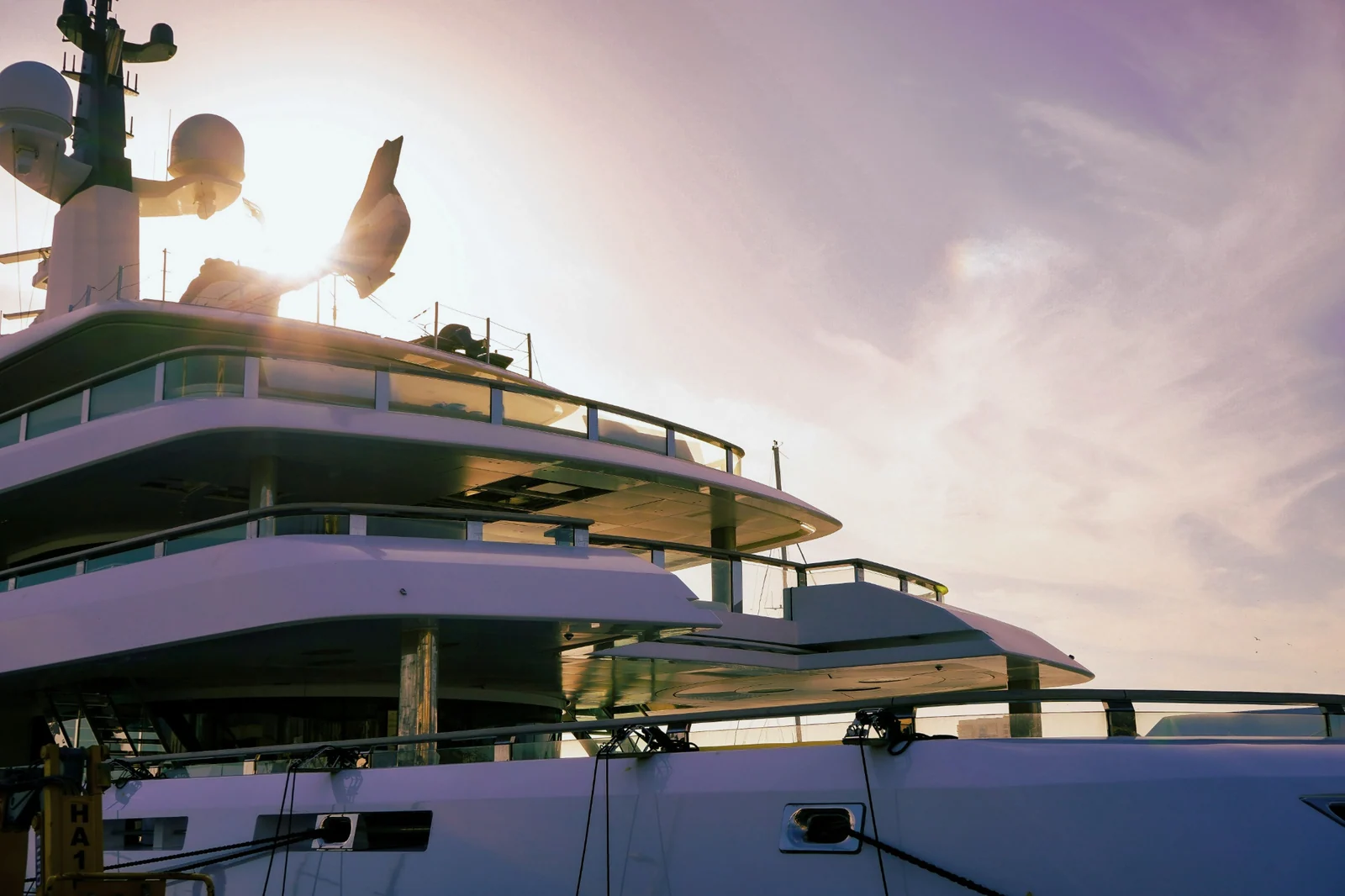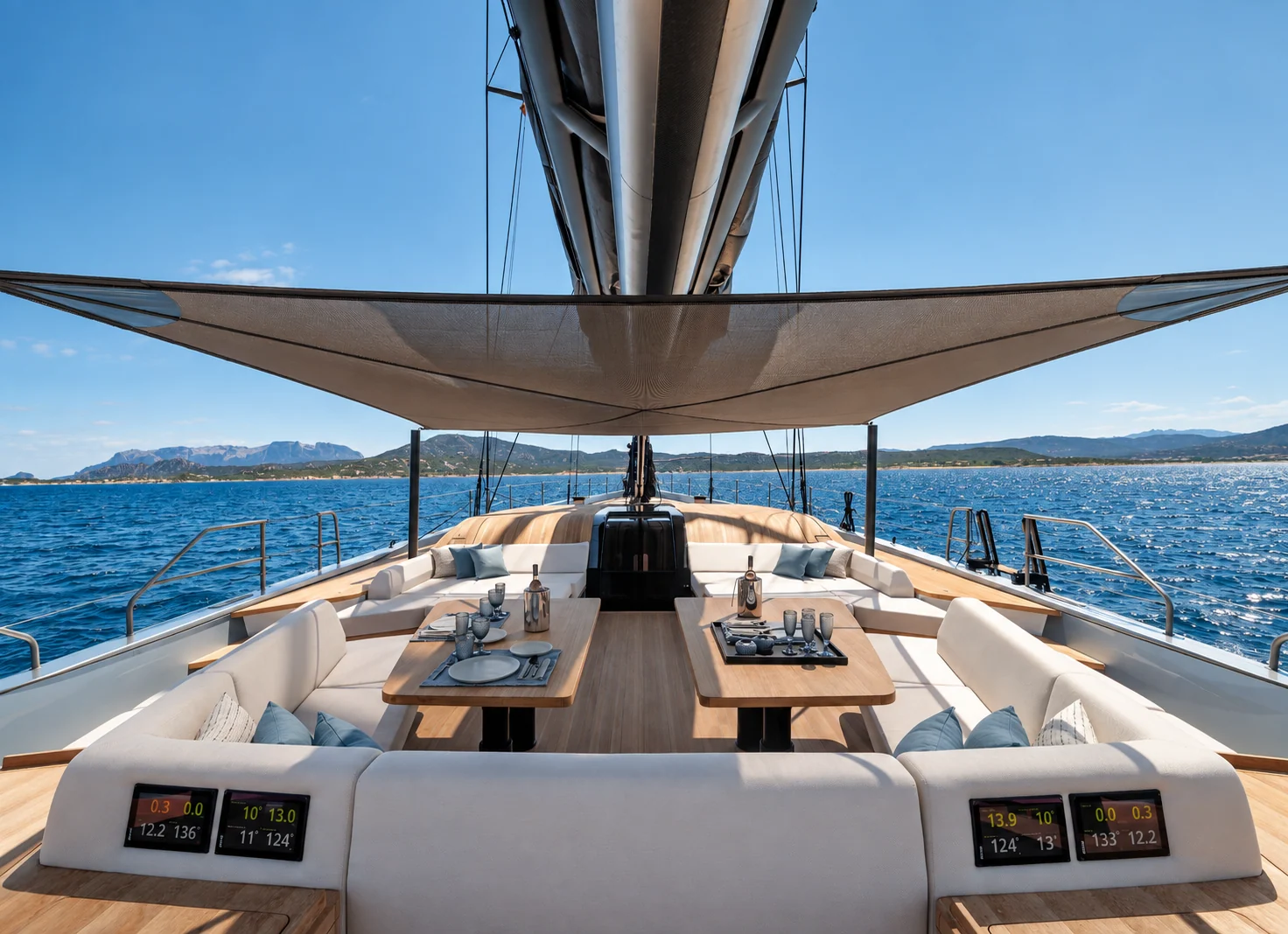
The bow can offer one of the most compelling images in a yacht search: a place facing the horizon, with the water opening ahead and the rest of the boat behind you. It is easy to imagine the company enjoying that view during a journey.
The useful purchase question is how the particular area may actually be used. A space prepared for relaxation while settled and an authorised guest position during a passage need to be understood through the yacht's documentation and the responsible operator's assessment.
Guest Capacity and cruising speed are the relevant catalogue parameters for this discussion. They help frame the company and intended pace of the trip. The availability and comfort of the bow area require a specific assessment for the actual yacht and operating programme.
Establish the use before judging the seat
Ask the yacht team to identify the functions intended for the bow area and the conditions under which guests may occupy it. The answer should refer to the particular configuration, applicable documentation and operating arrangements.
A photograph can introduce the space beautifully. It may show a particular state of the yacht, with furniture, cushions or other equipment arranged for that occasion. Establish which of those elements belongs to the offer and how each is intended to be used.
The captain or responsible operator should determine appropriate guest positions for the actual passage and conditions. The owner brief can describe the view and experience you want, while the authorised use remains a professional operating decision.
This gives the assessment a clear starting point. You can evaluate the space through the use that has actually been established, with its attraction connected to the boat being offered.
Experience the view from a real position
Where the representative confirms that a viewing is appropriate, sit in the intended place and notice what you see. The view from a relaxed position may have a different character from the standing perspective used to photograph the area.
Consider the people who will use it. The orientation of the seats and their relationship with one another affect whether the area feels suited to conversation, quiet observation or another permitted purpose. Picture your own company in those places.
Ask a regular companion to experience the intended seating too, where the viewing permits. Two people can respond differently to the same outlook and position. Comparing their preferences can show whether the area would become a favourite shared place or one used by particular members of the group. That personal understanding helps you weigh its contribution to the purchase.
The route to and from the area deserves attention within its intended uses. Ask the team to explain the relevant access arrangements and how the bow relates to the rest of the social spaces. Personal access requirements should be assessed for the actual people and setting.
The LYRA catalogue helps frame a yacht search by guest capacity. The layout discussion shows how the permitted company can use the particular areas aboard, rather than assuming every visible seat serves every phase of a trip.
Connect cruising pace with the intended experience
The cruising-speed field introduces a reference for the yacht's travelling programme. It does not establish that a particular outdoor area is appropriate for occupancy at that speed or in every condition.
Discuss your preferred pace and likely journeys with the operating professional. They can assess the yacht and explain which guest arrangements are suitable for the intended use. If a trial is arranged, its scope and guest positions must be determined by the responsible people.
Within that agreed assessment, pay attention to the experience the area offers. Share observations about comfort and communication with the professional leading the visit. Their interpretation should explain what the occasion demonstrates and what remains dependent on conditions or further assessment.
Keep a viewing impression and a trial observation identifiable in your notes. A pleasant seat at the berth describes that occasion; the responsible professional can explain the meaning of observations made during an agreed passage assessment.
The result is a more precise understanding of the boat. You know how the appealing view relates to the actual programme, with cruising information and guest use considered on their own proper terms.
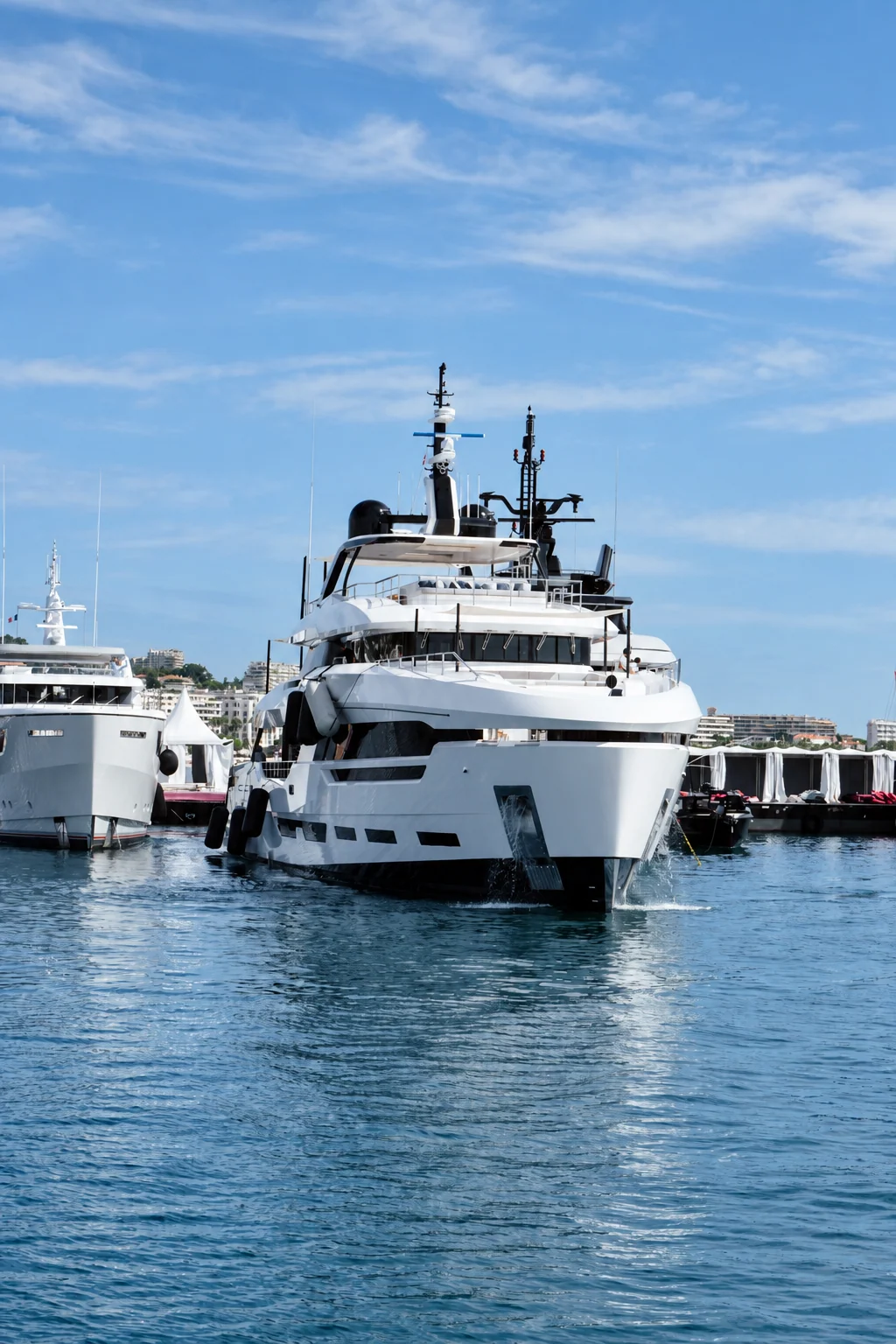
Give the bow a place in the whole day
The yacht may offer several enjoyable views, with different spaces appropriate to different moments. Consider where the company will spend the passage, the stay at the destination and the return. The bow should have an understood role within that sequence.
If the area is particularly important to your purchase, keep its confirmed use visible in the specification and owner brief. The team should explain any changes to the configuration that affect that understanding.
This helps you compare the experience across shortlisted yachts. The attraction becomes specific: a view you enjoy from a place whose function you understand, within a programme assessed by the responsible professionals.
A yacht's outdoor spaces can make the coast feel wonderfully close. Choosing with their actual uses in mind allows that visual appeal to become part of a clear ownership proposal, with inviting places for the company throughout the day you want to spend at sea.