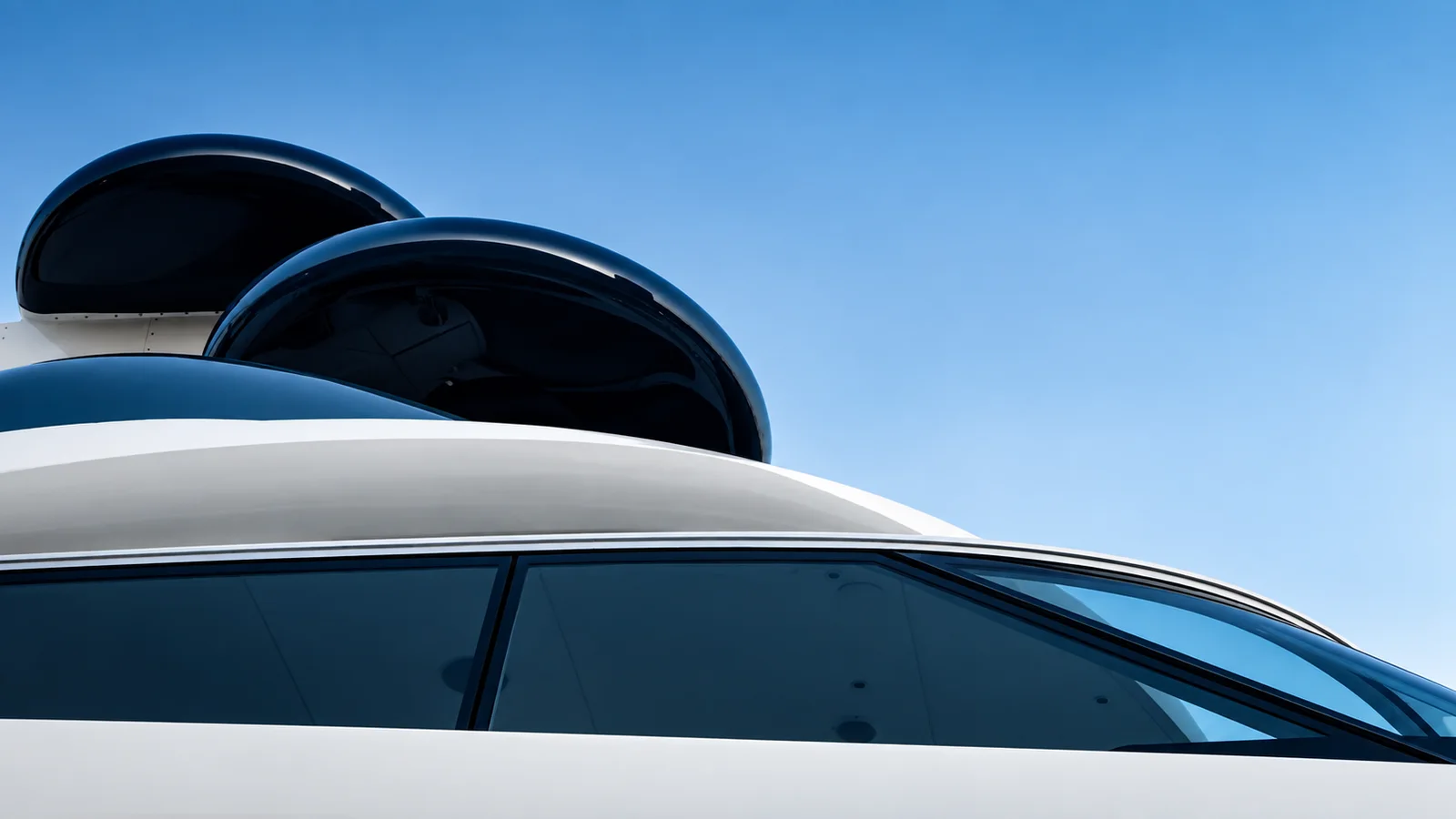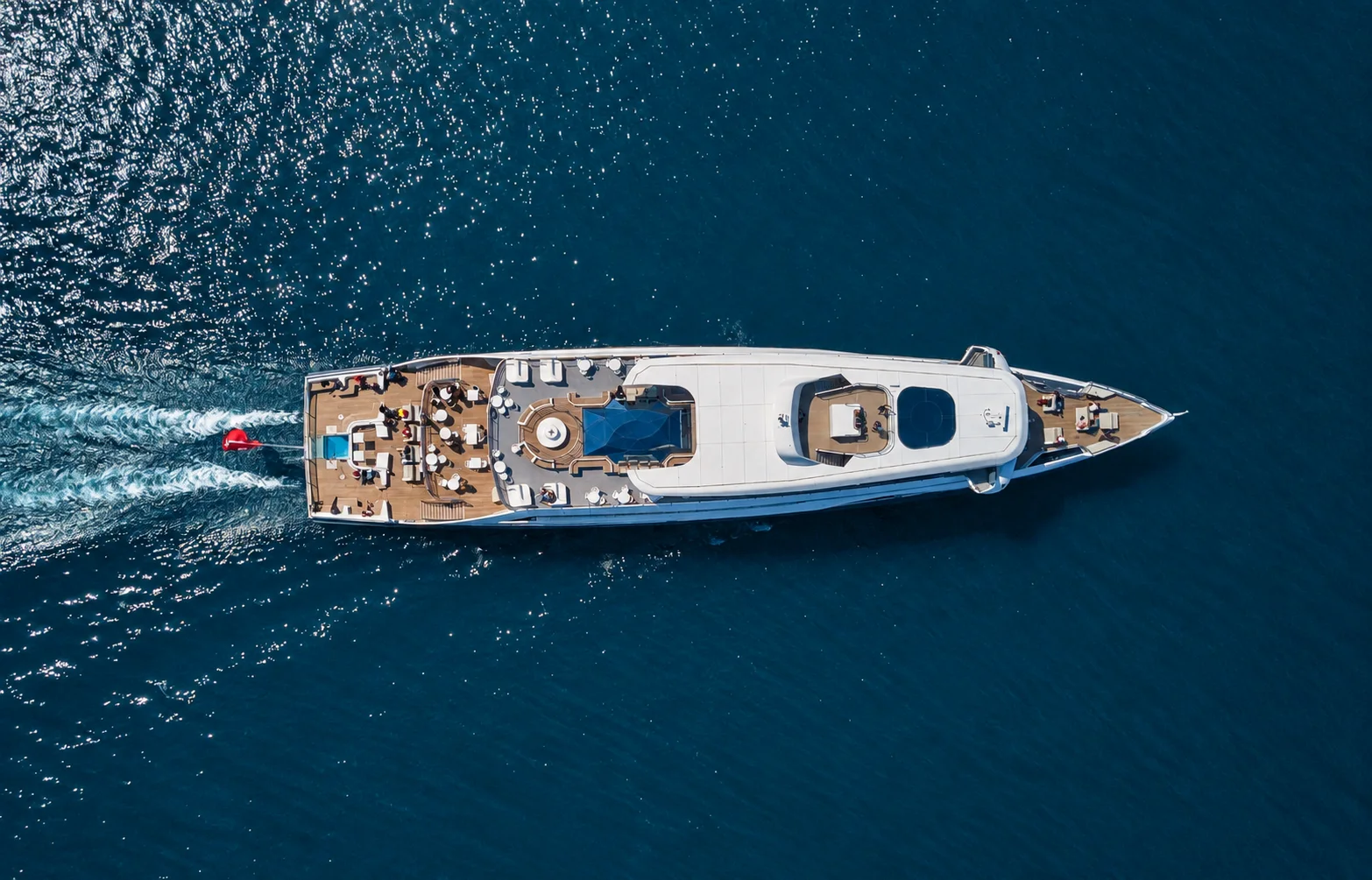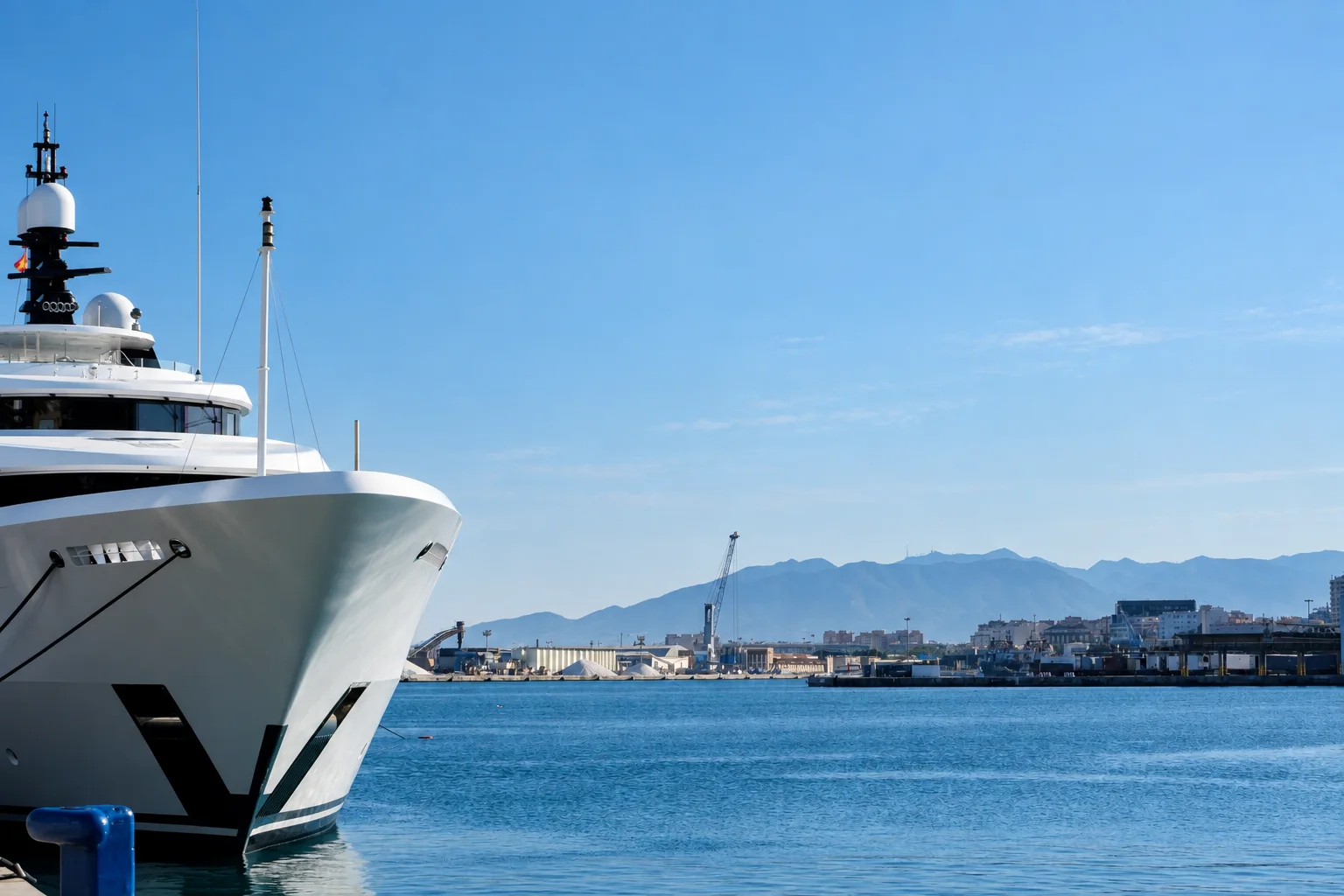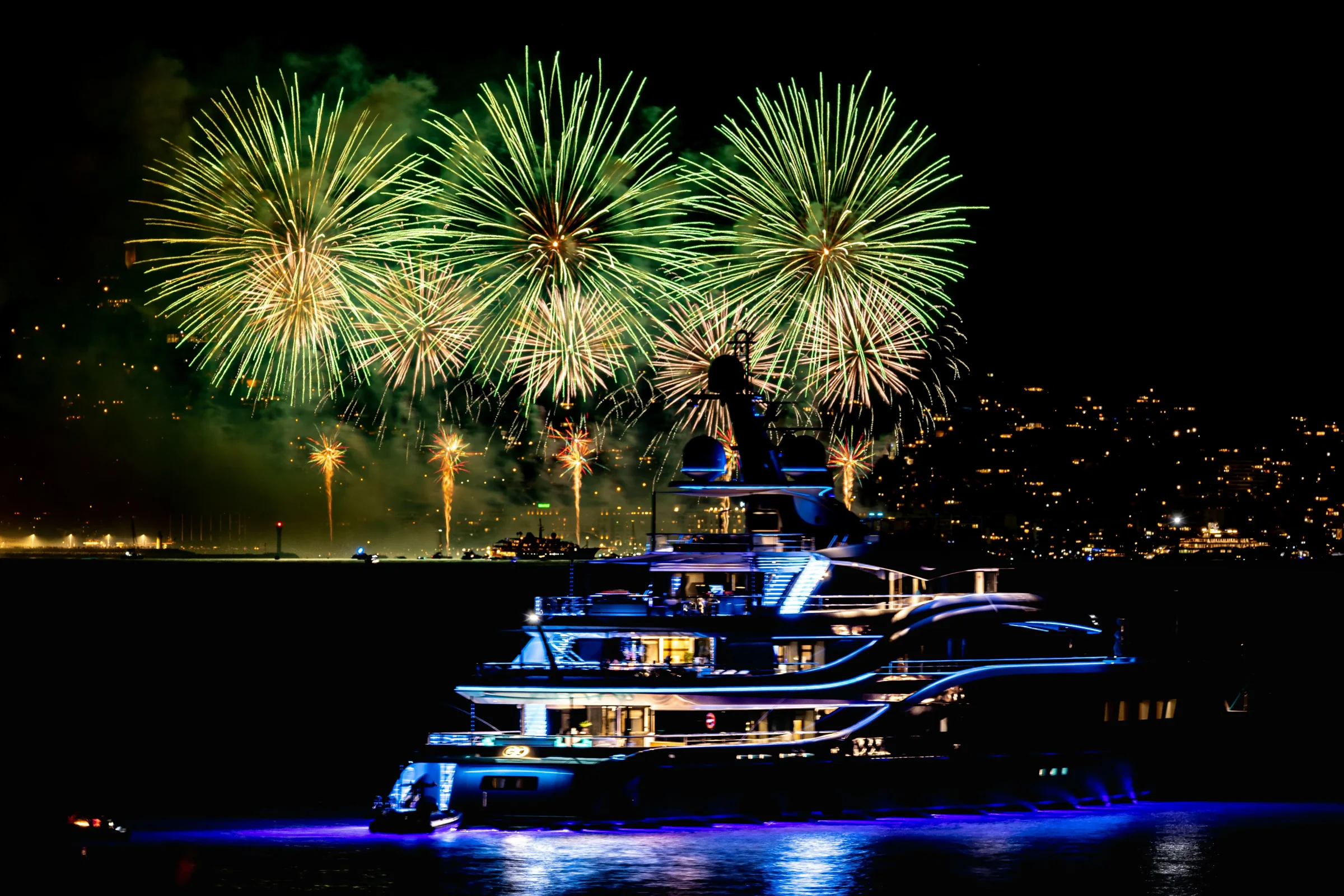
A yacht is often presented through a familiar sequence. We see the profile at speed, the drone shot from above, the salon in perfect light and a final frame at sunset. The production may be immaculate, yet very little remains in the memory once the film ends.
For an object created to change the way people experience time, this is a missed opportunity.
Yachting contains far more than the yacht itself. It has its own light, pace, sound and sense of distance. A morning departure feels different from an evening at anchor. An empty deck can communicate privacy more powerfully than a staged party. The movement of fabric in the wind, footsteps on teak and the silence after the engines stop can reveal more about life on board than another polished exterior shot.
This is the idea behind what I call Re-Production: treating the presentation of a yacht as an act of creative direction. It begins with understanding what makes the yacht distinctive, then building a visual and cultural language around that character. Technology can help us understand the market and the audience. Cinema, sound and storytelling allow us to turn that understanding into something people can feel.
A yacht should be understood before it is filmed
Creative production begins earlier than the camera.
Before deciding how a yacht should look on screen, we should understand how it is meant to be lived in. Who is it for? What kind of days does it make possible? Is its character defined by speed and movement, by long periods at anchor, by family life, by privacy or by the ability to travel far from familiar coastlines?
These questions belong to yacht selection as much as they belong to storytelling. A clearer picture of the owner’s intended life produces a more relevant shortlist; it also reveals the atmosphere that a film or editorial story should convey. The same yacht can appear entirely different when seen through the rhythm of a family morning, a solitary passage or an evening shared with friends.
This is where structured information becomes creatively useful. LYRA’s yacht-selection process connects onboarding, intelligent search and a personal shortlist. The purpose of that structure is to make the human conversation more specific. It gives an adviser a stronger starting point and gives a creative team something more meaningful than a list of dimensions and options.
Market intelligence adds another layer. The Premium and Luxury Yacht Market 2026 shows how widely yachts differ in length, configuration, price and ownership model across the represented market. Those differences are practical, but they also shape the story. Scale changes movement. Layout changes intimacy. The relationship between interior and exterior space changes how people gather, separate and reconnect throughout the day.
Good technology helps organise this complexity. Human judgement decides what matters.
Re-Production means thinking in scenes
The language of yacht marketing has become highly recognisable. Wide drone passes establish scale. Interiors are photographed before anyone has lived in them. People appear as finishing touches, often performing a version of luxury that feels detached from real life.
Re-Production takes a different starting point. I prefer to think in scenes.
The first light reaches the hull while the marina is still quiet. A tender approaches at dusk. Someone opens the doors between the salon and the aft deck, and the boundary between interior and sea disappears. A conversation continues after dinner while the coastline becomes a line of distant lights. These moments contain design, performance and luxury, but they communicate them through experience.
Every creative choice can support that experience. Camera movement establishes pace. Sound gives weight to space. Editing determines whether the yacht feels energetic, contemplative or intimate. Architecture provides the composition; human behaviour gives it meaning.
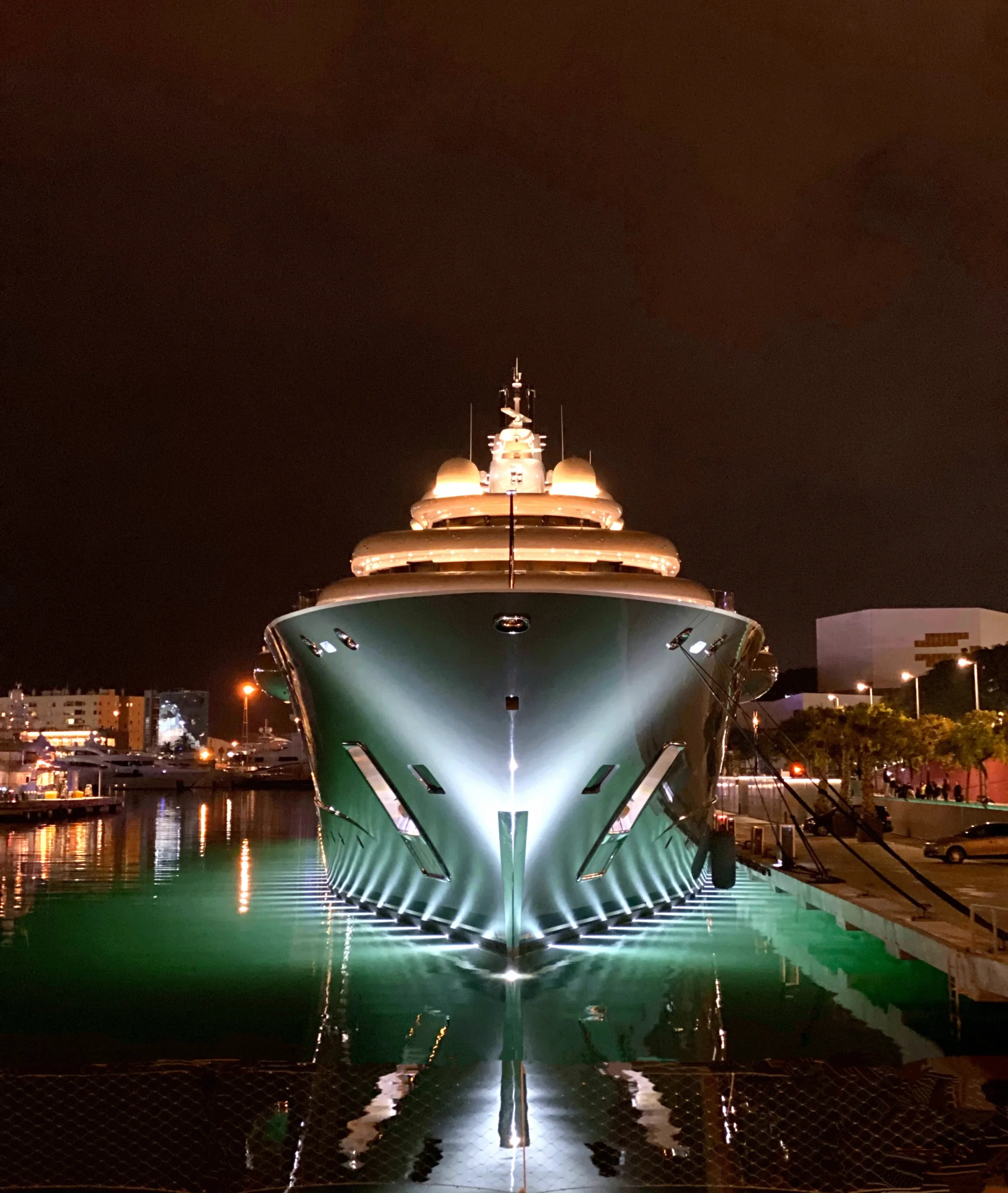
The aim is accuracy of feeling. A yacht built for fast coastal movement should have a different visual rhythm from one intended for extended life at sea. A deeply private owner’s deck should not be filmed like an entertainment venue. A family yacht should feel inhabited rather than staged.
Creative direction becomes valuable when it notices these distinctions. It allows the yacht’s actual character to determine the production instead of placing every model inside the same template.
The most persuasive details are often quiet
Luxury imagery has spent many years increasing the volume: brighter sunsets, larger celebrations, more perfect surfaces. The result can be visually expensive and emotionally interchangeable.
I am more interested in the details that make a scene believable. The slight movement of water reflected on a ceiling. The sound of a glass placed on a table. The change in the wind as the yacht leaves the protection of a bay. The pause before someone dives from the swim platform.
These are small observations, but they give the viewer a physical relationship with the setting. They help answer the question behind almost every meaningful yacht presentation: what would it feel like to be there?
This approach also respects the design. Materials are allowed to behave like materials. Spaces are shown in use. Light changes during the day. The yacht acquires a sense of time rather than remaining suspended in permanent showroom perfection.
For experienced luxury clients, credibility matters. They have already seen extraordinary properties, cars, aircraft, hotels and yachts. Spectacle alone rarely creates a lasting impression. A precisely observed moment can.
A yacht can carry culture as well as people
Once the yacht is treated as a place with character, a wider creative field opens around it.
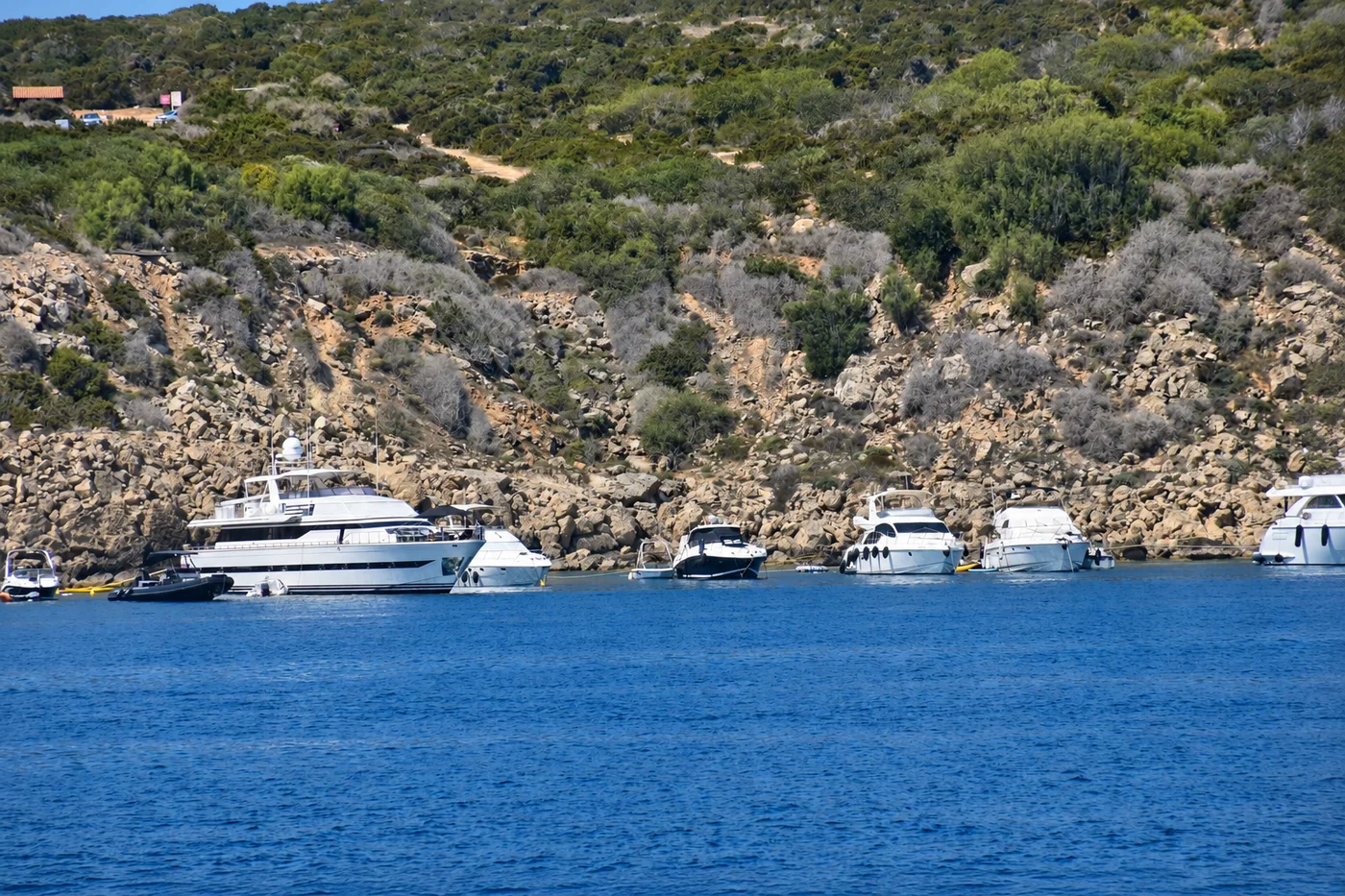
It can host a documentary portrait, an intimate performance, a conversation, a dinner or an encounter with art. The sea affects each of these formats. It changes the light, the acoustics, the movement of the people involved and the emotional distance from ordinary life.
Imagine a conversation filmed at anchor, with the bay changing behind the guests as the afternoon becomes evening. The setting naturally slows the exchange. Arrival by tender creates a beginning; the return to shore creates an ending. The yacht contributes to the tone without demanding attention in every frame.
A music performance offers another possibility. The architecture of a particular deck, the direction of the sunset and the natural sound of the water can become part of the arrangement. The production responds to its location rather than using the yacht as interchangeable scenery.
Fashion, food, design and contemporary art can also enter this space when there is a real dialogue between the subject and the environment. The strongest concepts will come from the identity of the yacht and the people involved. They will feel discovered rather than imposed.
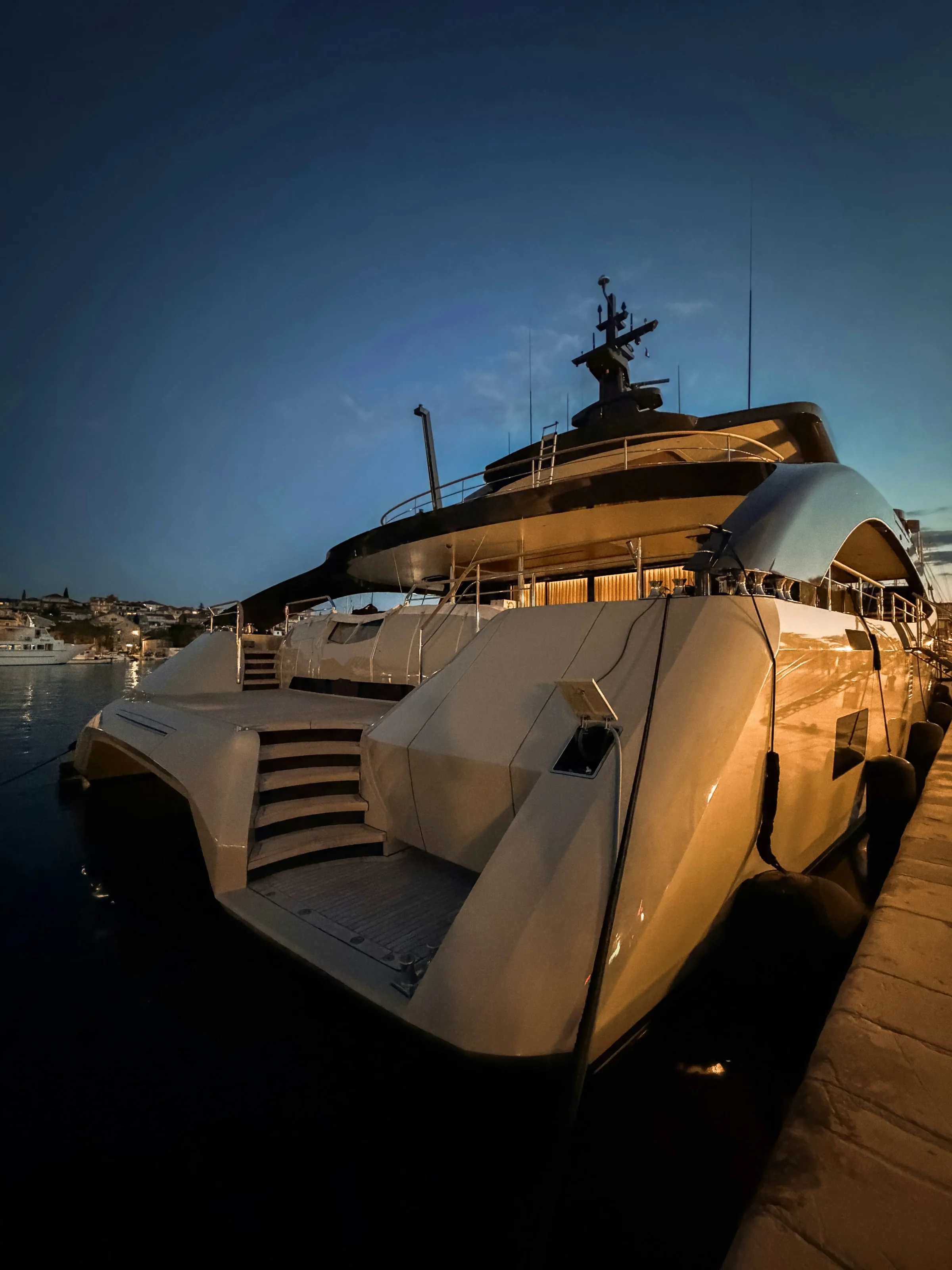
I see the yacht as a narrative engine. Its spaces influence where people stand, how they move, what they notice and how a scene develops. When the yacht participates in the story at this level, audiences begin to understand it as a lived environment rather than a product waiting to be sold.
Technology belongs behind the experience
Artificial intelligence will influence both yacht selection and creative production. Its most useful role is preparatory.
It can help organise a large market, compare relevant characteristics and recognise patterns in what a client responds to. For a creative team, it can support research, references, treatments, pre-visualisation and the management of a complex production. These tools create more time for the decisions that require taste, empathy and judgement.
The client experience should remain human. People remember whether an adviser listened, whether a recommendation felt precise and whether the final presentation revealed something they had not previously been able to articulate. They do not need to feel the machinery working behind those moments.
This balance is important to me. Technology provides structure and range. Creative direction provides emotion and focus. The adviser remains responsible for the relationship between the two.
A new language for yachting
I want yacht brokerage to become more comfortable with both data and drama.
Data helps us understand what exists and where meaningful differences lie. Human judgement turns those differences into a recommendation. Creative direction gives the recommendation an atmosphere, a rhythm and a story that can stay with someone long after the first presentation.
Reproducing yachting therefore means more than producing better films. It means reconsidering the entire path through which a yacht becomes relevant to a person: how it is discovered, understood, selected, shown and eventually lived in.
The future of yacht communication will be shaped by people who can move confidently between these worlds. They will understand the market without reducing it to a database. They will understand cinema without turning every yacht into a fantasy. They will use technology without allowing it to flatten individual taste.
When this works, the yacht becomes more than an impressive object. It becomes a place the viewer can already begin to imagine remembering.